Creating a thriving herbs and aromatic garden is both rewarding and eco‑friendly. By following a data‑driven approach—using proven planting calendars, soil‑test results, and water‑use metrics—you can grow flavorful herbs while minimizing waste and conserving resources. Below is a step‑by‑step guide that walks you through planning, planting, caring for, and sustainably managing your aromatic garden.
Planning Your Aromatic Garden
Selecting the Right Herbs
- Climate match: Use USDA hardiness zone data to choose herbs that thrive in your region. For example, rosemary and thyme excel in zones 8‑10, while mint and chives perform well in zones 3‑9.
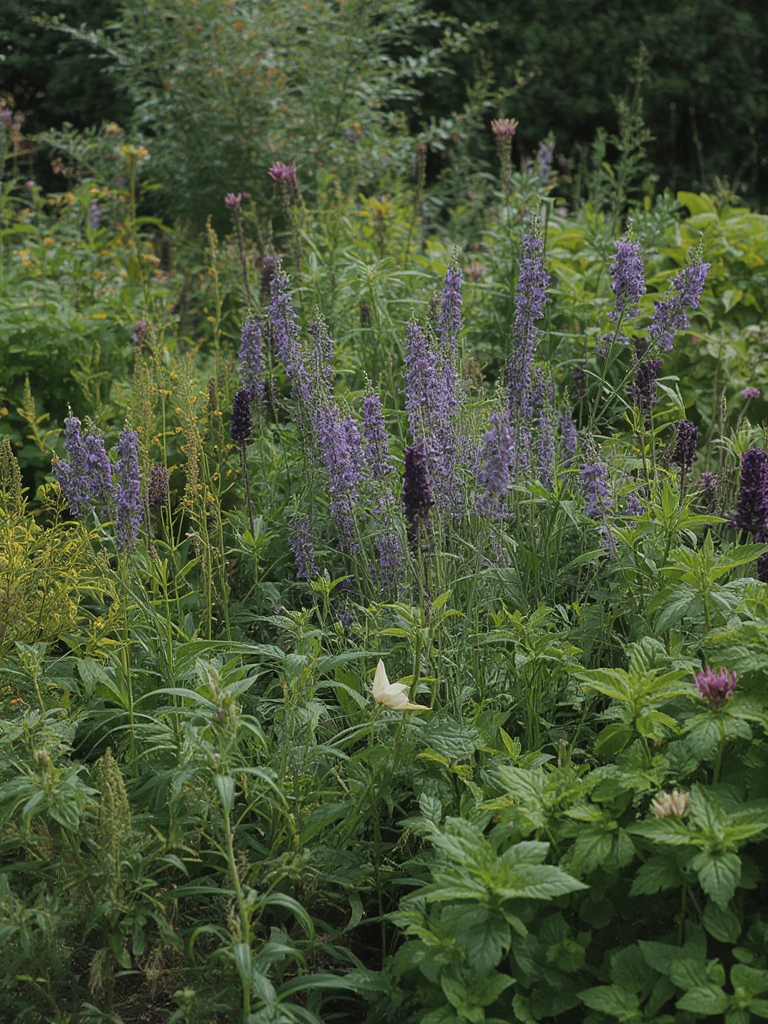
- Purpose: List the culinary, medicinal, or fragrance goals for each herb. This helps prioritize space—culinary staples like basil and parsley need easy access, while ornamental herbs such as lavender can occupy border rows.
- Diversity: Aim for at least five different herb families (Lamiaceae, Apiaceae, Asteraceae, etc.) to promote biodiversity and natural pest control.
Assessing Site Conditions
- Sunlight: Most aromatic herbs need 6–8 hours of direct sun. Use a sunlight tracker app to record daily exposure for potential spots.
- Soil pH: Conduct a simple pH test (available at garden centers). Most herbs prefer a slightly alkaline to neutral range (pH 6.5–7.5). Amend with lime or sulfur as needed.
- Drainage: Dig a 6‑inch test hole; fill with water and observe drainage time. If water pools >30 seconds, improve drainage with coarse sand or raised beds.
Designing the Layout
- Spacing guidelines: Follow seed‑packet recommendations—e.g., basil 12‑inch spacing, rosemary 24‑inch spacing—to prevent overcrowding.
- Vertical space: Install trellises for climbing herbs like climbing thyme or oregano to maximize square footage.
- Companion planting: Pair basil with tomatoes, or mint with cabbage, to deter pests naturally.
Planting and Care
Sowing Seeds and Transplanting Seedlings
- Seed depth: Plant seeds at a depth of ¼ × seed size. For tiny basil seeds, press lightly onto the soil surface and cover with a thin layer of vermiculite.
- Timing: Use historical frost date data. Start indoor seedlings 6‑8 weeks before the last frost; transplant after soil temperature reaches 60 °F (15 °C).
- Watering after planting: Apply a gentle mist to keep the seed zone moist without causing runoff.
Watering Efficiently
- Deep, infrequent watering: Water to a depth of 6‑8 inches once a week, encouraging deep root growth.
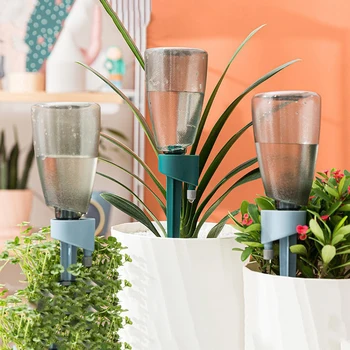
- Smart timers: Connect drip lines to a programmable timer set for early morning to reduce evaporation.
- Rainwater harvesting: Collect rain in a 55‑gallon barrel; use a simple gravity‑fed hose to water the garden, cutting municipal water use by up to 30 %.
Feeding and Soil Health
- Compost tea: Brew a 1‑week compost tea and apply 1 cup per plant monthly for a slow‑release nutrient boost.
- Organic fertilizer: Use a balanced 10‑10‑10 granular fertilizer at half the recommended rate to avoid nutrient burn.
- Soil testing: Test every 2‑3 years; adjust with organic amendments based on nitrogen, phosphorus, and potassium levels.
Pruning and Harvesting
- Regular pinching: Pinch back 1‑2 inches of growth weekly for basil and mint to promote bushier plants and prevent flowering.
- Harvest timing: Cut herbs in the morning after dew dries but before the sun’s heat peaks for maximum essential oil content.
- Drying tips: Hang bundles of rosemary or lavender upside‑down in a dark, well‑ventilated area for 1‑2 weeks to preserve aroma.
Sustainable Practices
Composting and Waste Reduction
- Kitchen scraps: Add herb stems, coffee grounds, and vegetable peels to a backyard compost bin; this reduces landfill waste and creates nutrient‑rich humus.
- Zero‑waste mulching: Use shredded newspaper or straw as mulch; it suppresses weeds, retains moisture, and decomposes into organic matter.
Water Conservation Techniques
- Mulch depth: Apply a 2‑inch layer of organic mulch to cut soil evaporation by up to 50 %.
- Greywater reuse: If local regulations allow, divert sink water (without soap) to irrigate non‑edible parts of the garden.
- Soil moisture sensors: Install inexpensive moisture probes; water only when moisture drops below 30 % volumetric water content.
Natural Pest Management
- Beneficial insects: Plant dill or fennel nearby to attract ladybugs and predatory wasps that feed on aphids.
- DIY sprays: Mix 1 tbsp neem oil, 1 tsp liquid soap, and 1 quart water; spray weekly to deter spider mites without harming pollinators.
- Physical barriers: Use row covers or copper tape around rosemary to deter slugs.
Troubleshooting Common Issues
Pests
- Aphids: Introduce aphid‑eating ladybugs or spray a strong jet of water to dislodge them.
- Spider mites: Increase humidity around the plants and apply neem oil as a preventive measure.
Diseases
- Root rot: Ensure proper drainage; if symptoms appear, remove affected plants and amend soil with perlite.
- Powdery mildew: Space plants for airflow, prune lower leaves, and apply a homemade baking‑soda spray (1 tsp baking soda, 1 tsp oil, 1 qt water).
Nutrient Deficiencies
- Yellowing leaves: Likely nitrogen deficiency; side‑dress with compost or a nitrogen‑rich organic fertilizer.
- Leaf curl: May indicate potassium shortage; add wood ash sparingly (¼ cup per 10 sq ft) to raise potassium levels.
By integrating data‑driven decisions with sustainable practices, your herbs and aromatic garden will not only flourish but also contribute to a healthier planet. Remember to monitor, adjust, and enjoy the process—each harvest is a testament to mindful gardening.