Welcome to the world of sustainable gardening—a practical, data‑driven approach that lets you grow beautiful plants while protecting the planet. By integrating smart design, water‑saving techniques, natural soil building, and waste reduction, you can create a resilient garden that thrives with minimal resources. Below is a step‑by‑step guide packed with actionable tips, tricks, and measurable practices to help you garden responsibly and successfully.
Why Sustainable Gardening Matters
Research shows that traditional lawns and ornamental gardens can consume up to 30% of a household’s water use and generate significant carbon emissions through fertilizer production and chemical pesticides. Sustainable gardening reduces these impacts by:

- Lowering water demand through efficient irrigation.
- Improving soil health, which captures carbon and reduces the need for synthetic inputs.
- Minimizing waste by composting and reusing garden materials.
- Supporting biodiversity with native plant selections.
These benefits translate into lower utility bills, healthier ecosystems, and a garden that can adapt to climate variability.
Step 1: Plan with a Data‑Driven Garden Layout
Map Sunlight, Soil, and Water Zones
- Use a sunlight tracker app or a simple sun‑watch chart to record how many hours each garden area receives.
- Conduct a soil test (available at most garden centers) to determine pH, organic matter, and nutrient levels.
- Identify low‑flow zones by observing where water naturally pools or runs off.
Actionable Tip
Plot these data points on graph paper or a digital garden planner. Group plants with similar light, water, and soil needs together to reduce over‑watering and fertilizer use.
Step 2: Build Healthy Soil the Eco‑Friendly Way
Incorporate Organic Matter
- Add 2–3 inches of well‑rotted compost to each planting bed each season.
- Mix in leaf mold or aged manure to boost microbial activity.
Use Cover Crops
Plant nitrogen‑fixing cover crops such as clover or vetch during off‑season months. They protect soil from erosion, suppress weeds, and naturally enrich the soil.
Actionable Tip
Measure soil moisture with a simple probe before watering. Healthy, organic‑rich soil holds moisture longer, cutting water use by up to 40%.
Step 3: Conserve Water with Smart Irrigation
Install Drip Irrigation or Soaker Hoses
- Place emitters directly at the base of each plant to deliver water where it’s needed.
- Set timers to water early morning (5–7 am) when evaporation is lowest.
Employ Rainwater Harvesting
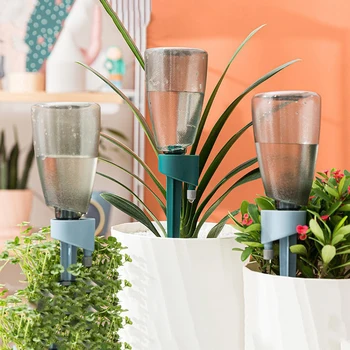
Connect a rain barrel to your downspout and use a simple filter to collect clean water for garden use. One 55‑gallon barrel can replace up to 300 gallons of municipal water per month.

Actionable Tip
Install a soil moisture sensor linked to a smart controller. The system will automatically pause irrigation when the soil reaches optimal moisture levels, preventing waste.
Step 4: Choose Native and Drought‑Tolerant Plants
Benefits of Native Species
- Adapted to local climate, requiring less water and fertilizer.
- Provide habitat for pollinators and beneficial insects.
Top Low‑Water Picks (U.S. Example)
- Echinacea purpurea (Purple Coneflower) – 12‑18 inches of water per week.
- Lavandula angustifolia (English Lavender) – thrives on 8‑10 inches of annual rainfall.
- Sedum ‘Autumn Joy’ – stores water in its leaves, tolerates drought.
Actionable Tip
Group plants with similar water needs together (hydrozoning). This allows you to fine‑tune irrigation schedules for each zone, saving up to 25% of water.
Step 5: Implement Natural Pest Management
Encourage Beneficial Insects
- Plant nectar‑rich flowers like yarrow, fennel, and dill to attract ladybugs, lacewings, and parasitic wasps.
- Install insect hotels or simple bundles of straw to provide shelter.
Use Physical Barriers
Apply row covers, copper tape, or diatomaceous earth to deter slugs, snails, and other pests without chemicals.
Actionable Tip
Perform weekly visual inspections and record pest occurrences in a garden journal. Data trends help you intervene early with targeted, non‑chemical solutions.
Step 6: Mulch, Compost, and Recycle Garden Waste
Mulching for Moisture Retention
- Apply a 2‑3‑inch layer of organic mulch (shredded leaves, straw, or wood chips) around plants.
- Refresh mulch annually to maintain its insulating properties.
Compost Kitchen Scraps
Set up a small bin with a carbon‑to‑nitrogen ratio of roughly 30:1 (e.g., 3 parts dry leaves to 1 part kitchen greens). Turn the pile every 2–3 weeks to accelerate decomposition.
Actionable Tip
Use a compost thermometer; the pile should stay between 130‑150 °F for optimal microbial activity. When the temperature drops, add fresh greens and turn the pile.
Step 7: Monitor, Adjust, and Celebrate Success
Track Key Metrics
- Water usage (gallons per week) – compare before and after implementing drip irrigation.
- Soil organic matter – retest annually; aim for a 2–3% increase each year.
- Plant health indicators – note flowering times, leaf color, and pest pressure.
Iterate Based on Data
If a zone shows excess moisture, reduce irrigation time by 10‑15%. If soil organic matter stalls, increase compost applications or add cover crops.
Actionable Tip
Share your results on a garden community forum or social media using hashtags like #SustainableGarden and #ZeroWasteGarden. Engaging with others provides fresh ideas and reinforces your commitment.
By following these data‑driven steps, you’ll cultivate a garden that not only looks stunning but also conserves water, enriches soil, and reduces waste. Sustainable gardening is a continuous learning process—track your progress, adapt to seasonal changes, and enjoy the rewarding impact you’re making on the planet.