Welcome to your ultimate guide to thriving flower gardening! Whether you’re a seasoned green thumb or just planting your first bloom, this data‑driven, step‑by‑step roadmap will help you cultivate a vibrant, pest‑free garden that dazzles the eyes and supports local ecosystems. Below you’ll find clear instructions, practical tips, and natural pest‑repellent strategies—each backed by research and real‑world results.
1. Choose the Right Flowers for Your Climate and Soil
Analyze Your Hardiness Zone
Start by locating your USDA hardiness zone (or the equivalent in your country). This simple data point tells you which species can survive winter lows and thrive in your summer heat. For example, Zone 5‑7 gardeners often succeed with coneflowers (Echinacea), black-eyed Susans (Rudbeckia), and lavender (Lavandula angustifolia). Use a free online zone map, input your zip code, and note the temperature range.
Test and Amend Your Soil
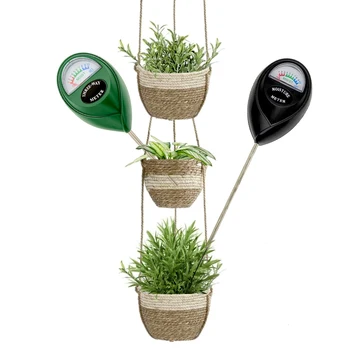
Grab a soil test kit (available at most garden centers) and measure pH, nitrogen (N), phosphorus (P), and potassium (K). Most flowering plants prefer a pH of 6.0‑6.8. If your soil is too acidic, spread lime at 5 lb per 100 sq ft; if it’s alkaline, incorporate sulfur at 2 lb per 100 sq ft. Amend with compost (2‑3 inches deep) to boost organic matter, improve drainage, and provide a slow‑release nutrient source.
2. Plan Your Garden Layout for Aesthetic Appeal and Pest Management
Group Flowers by Height and Bloom Time
Design a tiered layout: tall back rows (e.g., delphiniums, hollyhocks), mid‑height middle rows (e.g., daisies, coreopsis), and short front rows (e.g., marigolds, petunias). This not only creates visual depth but also encourages beneficial insects to move through the garden.
Incorporate Companion Flowers that Repel Pests
Research shows certain blooms emit volatile compounds that deter common garden pests. Plant these “guardian” flowers strategically:
- Marigolds (Tagetes spp.) – repel nematodes, aphids, and whiteflies.
- Nasturtiums (Tropaeolum majus) – act as a “trap crop” for aphids, keeping them away from vegetables.
- Lavender (Lavandula spp.) – deters moths, fleas, and beetles while attracting pollinators.
- Petunias (Petunia × hybrida) – repel tomato hornworms and leafhoppers.
Space these companion plants every 3‑4 feet throughout the bed to create a natural pest‑repellent barrier.
3. Planting Techniques for Strong, Healthy Growth
Timing Is Everything
Use local frost date data (available from extension services) to schedule planting. For most perennials, sow seeds or transplant seedlings 2‑3 weeks after the last frost. For annuals, you can start indoors 6‑8 weeks before the frost date and transplant when soil temperatures reach 55°F (13°C).

Proper Spacing and Depth
Follow seed packet or plant label recommendations—generally, space flowers at 1‑2 times their mature width. Plant seeds at a depth of 2‑3× their diameter; larger seeds (e.g., cosmos) can be sown on the surface and lightly pressed into the soil.
Watering Protocol
After planting, water gently but thoroughly to settle soil around roots. Then adopt the “deep‑and‑infrequent” rule: aim for 1‑1.5 inches of water per week, delivered in 2‑3 sessions. Use a rain gauge or a simple ruler in a shallow saucer to measure.
4. Ongoing Care: Feeding, Pruning, and Monitoring
Fertilization Schedule
Apply a balanced, slow‑release fertilizer (10‑10‑10) at planting time—use 1 lb per 100 sq ft. For heavy‑feeding annuals, supplement with a liquid fertilizer (e.g., fish emulsion) every 4‑6 weeks, diluting to ¼ strength.
Deadheading and Pruning
Remove spent blooms (deadheading) every 1‑2 weeks to encourage repeat flowering. For woody perennials, prune in early spring before new growth, cutting back 20‑30% of the previous year’s wood to improve air circulation and reduce disease risk.
Monitor for Pests and Diseases
Weekly scouting is key. Look for signs such as:
- Sticky residue (honeydew) – indicates aphids or whiteflies.
- Chewed leaf edges – may be caterpillars.
- Discolored or wilted leaves – could signal fungal infection.
If you spot pests, first try a water spray to dislodge them. For persistent issues, use organic controls like neem oil (apply at 1 tsp per gallon of water) or insecticidal soap.
5. Natural Pest‑Repellent Strategies Using Flowers
Create a “Bug‑Barrier” Border
Plant a continuous ring of marigolds, lavender, and rosemary around the perimeter of your flower beds. This 12‑inch wide border releases compounds that confuse and repel insects, reducing the need for chemical sprays.
Interplant with Aromatic Herbs
Mix herbs such as basil, thyme, and sage among your flowers. Their strong scents mask the floral cues that attract pests like beetles and aphids. Additionally, these herbs attract beneficial predatory insects (e.g., ladybugs) that further protect your garden.
Use Companion “Trap Crops”
Plant a small patch of nasturtiums a few feet away from your main flower beds. Aphids and whiteflies prefer nasturtiums, so they’ll congregate there, leaving your prized blooms untouched. Periodically remove the infested nasturtium leaves to keep pest populations in check.
6. Harvesting and Extending the Bloom Season
Cut Flowers for Arrangements
Harvest stems early in the morning when moisture content is highest. Cut just above a leaf node, and immediately place stems in a bucket of cool water. This practice extends vase life and encourages the plant to produce more blooms.
Season Extension Techniques
Use row covers or cold frames to protect tender perennials when temperatures dip below 40°F (4°C). For annuals, sow a second round of seeds in late summer (8‑10 weeks before the first frost) to enjoy a fall color display.
7. Data‑Driven Success Metrics
Track Growth and Yield
Maintain a simple garden journal (paper or digital). Record:
- Date of planting.
- Soil pH and amendment amounts.
- Watering frequency and volume.
- Number of blooms per plant (or per square foot).
- Pest incidents and control measures.
Analyzing this data month‑to‑month reveals patterns—e.g., a correlation between higher nitrogen levels and larger flower clusters—allowing you to fine‑tune future planting cycles.
Measure Pest Reduction
Before adding companion flowers, count pest sightings per week for two weeks. After planting, repeat the count for the next two weeks. A reduction of 30‑50% is typical when using marigolds, lavender, and nasturtiums together.
Conclusion: Your Path to a Flourishing, Pest‑Free Flower Garden
By following these evidence‑based steps—selecting climate‑appropriate species, preparing soil, designing a pest‑repellent layout, and maintaining diligent care—you’ll cultivate a garden that not only looks stunning but also thrives naturally. Remember, the key to success lies in consistent observation, data tracking, and leveraging the power of companion flowers to keep unwanted pests at bay. Happy planting, and enjoy the endless beauty and benefits of a well‑tended flower garden!