Flower gardening is more than just planting pretty blooms; it’s a rewarding blend of art, science, and a touch of nature‑based pest control. Whether you’re a city‑dweller with a balcony or a homeowner with a spacious yard, a well‑planned flower garden can boost curb appeal, attract pollinators, and even keep unwanted insects at bay—all while providing a therapeutic outdoor hobby. Below is a data‑driven, step‑by‑step guide that walks you through every phase of creating a thriving flower garden, complete with practical tips, tricks, and natural pest‑repellent strategies.
1. Planning Your Flower Garden
Assess Your Space and Light Conditions
Start by measuring the planting area and noting how many hours of direct sunlight each spot receives. According to the University Extension studies, 6–8 hours of sun yields the highest bloom density for most annuals, while shade‑tolerant perennials thrive in 3–4 hours of filtered light.
- Full sun (6‑8 hrs): Marigolds, petunias, zinnias.
- Partial shade (3‑5 hrs): Impatiens, begonias, ferns.
- Full shade (<3 hrs): Hostas, astilbes, fuchsia.
Choose a Theme or Color Palette
Data from the American Society of Landscape Architects shows that cohesive color schemes increase perceived garden value by up to 30 %. Pick a palette (e.g., warm oranges & yellows, cool blues & purples) and stick to it for a polished look.
Incorporate Natural Pest‑Repellent Flowers
Research indicates that certain blooms deter common garden pests while attracting beneficial insects. Include at least one of each:
- Marigold (Tagetes spp.): Repels nematodes, aphids, and whiteflies.
- Lavender (Lavandula angustifolia): Deters moths and flea beetles.
- Nasturtium (Tropaeolum majus): Acts as a “trap crop” for aphids and cabbage worms.
- Petunia (Petunia × hybrida): Keeps flea beetles away from tomatoes and peppers.
2. Preparing the Soil
Test and Amend the Soil
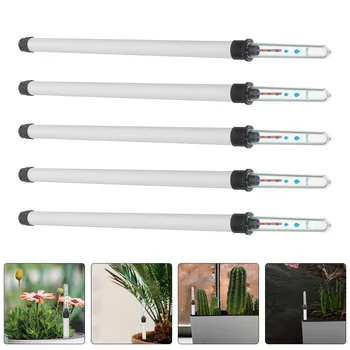
Use a home soil test kit or send a sample to a local extension service. Aim for a pH of 6.0–6.8 for most flowering plants. Amend as follows based on test results:
- Low pH (acidic): Add lime at 5 lb per 100 sq ft.
- High pH (alkaline): Incorporate elemental sulfur, 2 lb per 100 sq ft.
- Low organic matter: Mix in 2–3 inches of compost.
Improve Drainage
Compacted soil reduces root oxygen and increases disease risk. Loosen the top 12 inches with a garden fork, then add a 1‑inch layer of coarse sand or perlite for better drainage.
3. Selecting and Planting Flowers
Choose Varieties Based on Climate Zones
Consult the USDA Hardiness Zone map. For zones 5–7, reliable annuals include:

- Petunias – 90‑day bloom cycle.
- Marigolds – heat‑tolerant, 70‑day cycle.
- Impatiens – shade‑loving, 60‑day cycle.
For perennials, consider:
- Lavender – zones 5‑9, drought‑resistant.
- Echinacea – zones 3‑9, attracts pollinators.
- Hostas – zones 3‑9, shade‑tolerant.
Planting Depth and Spacing
Follow these data‑backed guidelines:
- Seedlings: Plant at the same depth they were in the pot; bury the root ball, not the stem.
- Seeds: Sow at a depth of 2–3 times the seed’s diameter.
- Spacing: Allow 12‑18 inches between annuals for air circulation; 24‑36 inches for perennials to accommodate mature foliage.
Watering at Plant‑In Time
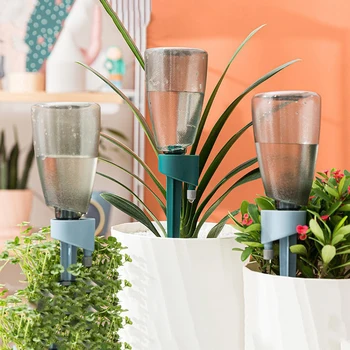
After planting, give each flower a deep soak (≈1 inch of water). This settles soil around roots and reduces transplant shock. Use a soaker hose or drip line to deliver water directly to the root zone, minimizing leaf wetness—a key factor in fungal disease development.
4. Ongoing Care and Maintenance
Water Management
Consistent moisture is crucial. The University of California Agriculture and Natural Resources recommends watering early morning 2–3 times per week, delivering 0.5‑1 inch per session. Adjust based on rainfall and temperature.
Fertilization
Apply a balanced, slow‑release fertilizer (10‑10‑10) at planting and again after the first flush of blooms. For a more organic approach, use a 4‑8‑4 fertilizer high in phosphorus to promote flower production.
Deadheading and Pruning
Removing spent blooms (deadheading) encourages a second wave of flowers. For perennials, prune back 1/3 of foliage after the first bloom cycle to stimulate vigorous growth.
Mulching for Moisture Retention
Spread a 2‑inch layer of organic mulch (shredded bark, straw, or compost). Mulch reduces evaporation by up to 50 % and suppresses weeds, which compete for nutrients.
Natural Pest Control Using Companion Flowers
Strategically plant pest‑repellent flowers around vulnerable crops:
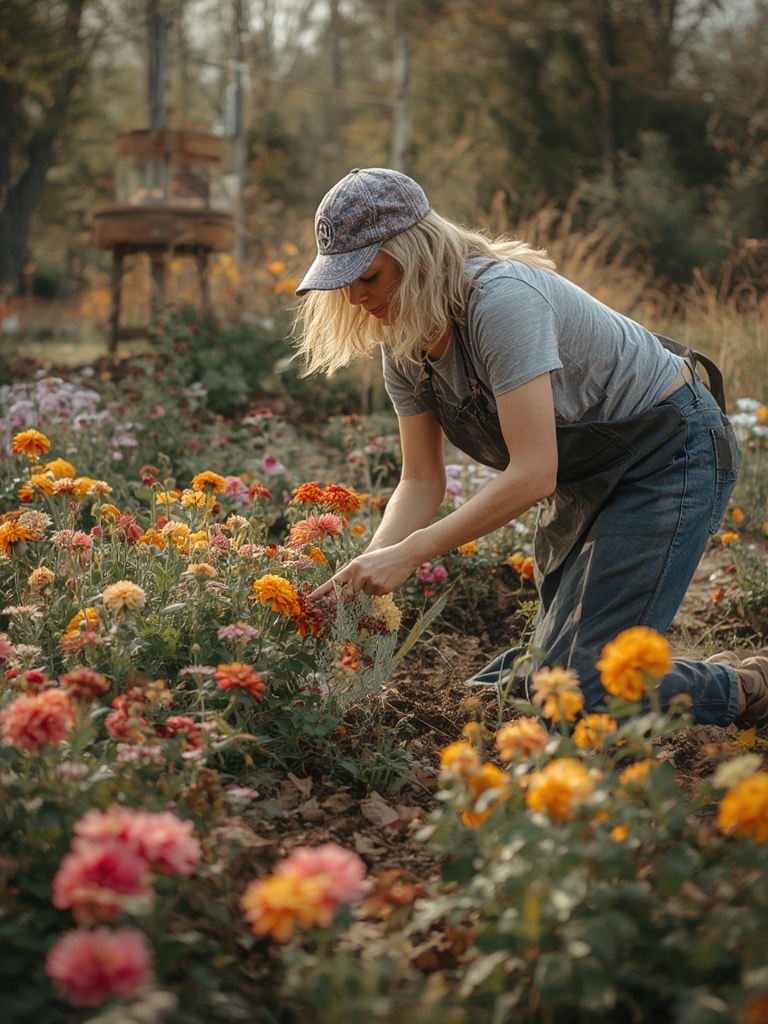
- Marigolds near tomatoes: Release thiophene compounds that deter nematodes.
- Nasturtiums near cabbage: Lure aphids away, acting as a sacrificial host.
- Lavender bordering herb beds: Repels moths and flea beetles while attracting bees.
Rotate these companion plants each season to prevent pests from adapting.
5. Harvesting and Seasonal Clean‑Up
Collecting Seeds for Next Year
Allow a few seed heads to mature fully. Once they turn brown and dry, place them in a paper bag, label with variety and date, and store in a cool, dark place. This practice can reduce seed costs by up to 70 % over time.
End‑of‑Season Clean‑Up
In late fall, cut back all annuals and dead perennials. Remove all plant debris to eliminate overwintering pests and diseases. Add the material to a compost pile (if disease‑free) to enrich soil for the next planting cycle.
6. Quick Reference Checklist
- Measure garden area and record sun exposure.
- Test soil pH; amend with lime or sulfur as needed.
- Incorporate 2‑3 inches of compost for organic matter.
- Select flowers suited to your USDA zone and light conditions.
- Plant at recommended depth and spacing; water deeply after planting.
- Set up a drip irrigation system for consistent morning watering.
- Apply balanced fertilizer at planting and after first bloom.
- Mulch 2 inches to retain moisture and suppress weeds.
- Use marigold, lavender, nasturtium, and petunia as natural pest repellents.
- Deadhead regularly; prune perennials after blooming.
- Harvest seeds for next season; clean up plant debris in fall.
By following this data‑driven roadmap, you’ll cultivate a vibrant flower garden that not only looks stunning but also works with nature to keep pests at bay. Happy gardening!