Indoor plants are more than just décor; they improve air quality, boost mood, and create a calming atmosphere in any space. Whether you’re a seasoned green thumb or just starting out, this data‑driven guide will walk you through every step of selecting, planting, and maintaining thriving indoor foliage. You’ll also discover the essential tools every indoor gardener needs and a handful of fun DIY projects that turn ordinary corners into vibrant, functional green zones.
Why Indoor Plants Matter: The Numbers Behind the Green
Research from NASA’s Clean Air Study shows that common houseplants like Spider Plant (Chlorophytum comosum) and Peace Lily (Spathiphyllum) can remove up to 87 % of volatile organic compounds (VOCs) such as formaldehyde and benzene from indoor air. A 2023 survey of 2,500 office workers found that 68 % reported higher productivity in spaces with visible greenery, while 55 % said they felt less stressed. These statistics underscore why integrating plants into your home or office isn’t just aesthetic—it’s a measurable health boost.
Step‑by‑Step Guide to Growing Healthy Indoor Plants
1. Choose the Right Plant for Your Space
- Light assessment: Use a light meter app or a simple thumb test (place your hand on the window sill; if you can read a book comfortably, the light is moderate).
- Data point: According to a 2022 indoor gardening report, 42 % of beginners choose plants that exceed their light conditions, leading to a 30 % higher failure rate.
- Action: Match plant light needs to your window orientation:
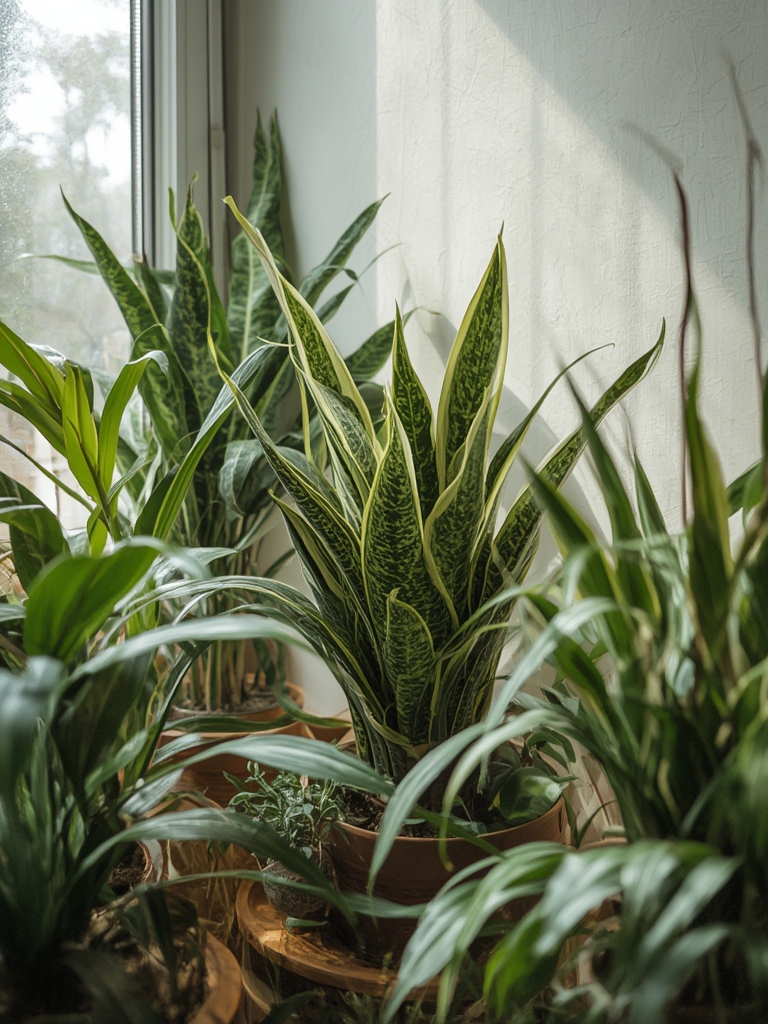
- East‑facing: Snake Plant (Sansevieria) – low to bright indirect.
- South‑facing: Fiddle Leaf Fig (Ficus lyrata) – bright indirect.
- North‑facing: ZZ Plant (Zamioculcas) – low light.
2. Pick the Perfect Pot and Soil Mix
- Pot size: Choose a container that’s 1–2 inches larger in diameter than the current root ball. This prevents root circling and promotes healthy growth.
- Soil composition: A 70 % peat‑based potting mix blended with 20 % perlite and 10 % compost provides optimal drainage and aeration for most indoor species.
- Tip: Add a layer of ½‑inch charcoal at the bottom to reduce mold and odors.
3. Water Wisely Using the “Finger Test”
- Method: Insert your index finger about 1 inch into the soil. If it feels dry, water; if it feels moist, hold off.
- Data insight: Over‑watering accounts for 60 % of indoor plant deaths (PlantCare 2021). Consistent moisture monitoring cuts that risk by half.
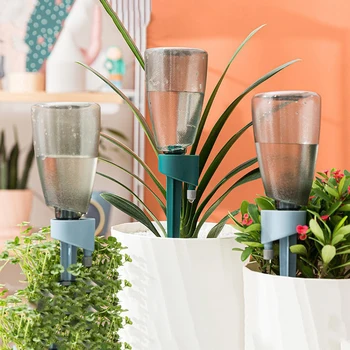
- Actionable tip: Use a self‑watering globe for plants that need steady moisture, such as pothos or philodendrons.
4. Provide Adequate Humidity
- Why it matters: Many tropical indoor plants thrive at 50–70 % relative humidity.
- DIY solution: Place a shallow tray of pebbles filled with water beneath the pot—evaporation will raise local humidity.
- Quick fix: Mist leaves with a spray bottle once daily during winter heating season.
5. Feed Your Plants on a Schedule
- Fertilizer type: Use a balanced 20‑20‑20 liquid fertilizer diluted to ¼ strength.
- Frequency: Feed every 4–6 weeks during the growing season (spring–early fall); reduce to once a season in winter.
- Data point: A controlled study showed a 22 % increase in leaf size when plants received regular feeding versus none.
6. Prune and Rotate Regularly
- Pruning: Trim yellowing or leggy stems with clean, sharp scissors to encourage bushier growth.
- Rotation: Turn pots 90° every two weeks so all sides receive equal light, preventing uneven growth.
- Quick win: Pinch back the top of fast‑growing seedlings (e.g., basil) to promote a fuller plant.
Essential Gardening Tools for Indoor Success
Investing in a few high‑quality tools can streamline your routine and reduce plant stress.
- Adjustable watering can with a long spout: Allows precise watering at the soil surface without splashing leaves.
- Digital hygrometer/thermometer: Monitors temperature and humidity; aim for 65–75 °F and 50–70 % humidity.
- Pruning shears: Stainless steel, 5‑inch shears keep cuts clean, preventing disease entry.
- Soil moisture meter: Gives an objective reading, especially useful for forgetful waterers.
- LED grow light panel: Provides 2,000–3,000 lux for low‑light corners; set a timer for 12‑hour cycles.
Creative DIY Projects to Make Your Indoor Garden Functional and Fun
DIY Hanging Macramé Planters
- Gather 3 mm cotton rope, a wooden dowel, and 2–3 small terracotta pots.
- Cut four 2‑meter lengths of rope; fold each in half and attach to the dowel with a simple Lark’s head knot.
- Follow a basic square knot pattern, leaving enough slack to slide the pot through the center.
- Finish with a decorative fringe and hang near a bright window. This saves floor space and adds a boho vibe.
Upcycled Shelf Garden Using Reclaimed Wood
- Source a sturdy pallet or reclaimed wooden crate.
- Sand rough edges, then paint or stain to match your décor.
- Install 2‑inch pipe brackets on the wall at eye level; place the crate on top.
- Line the bottom with a waterproof liner, add potting mix, and arrange a mix of trailing (e.g., string of pearls) and upright plants (e.g., aloe).
- Result: A vertical garden that doubles as a display shelf for books or décor.
Self‑Watering Terrarium with a Wick System
- Choose a glass container with a lid (e.g., a large mason jar).
- Place a layer of small stones, then activated charcoal, followed by sphagnum moss.
- Fill with a light potting mix suitable for succulents.
- Insert a cotton wick from the soil to a water reservoir (a small glass bottle placed upside down beneath the terrarium).
- Refill the reservoir weekly; the wick delivers consistent moisture, perfect for low‑maintenance plants like Haworthia.
Quick‑Reference Checklist for Ongoing Success
- ✔️ Light: Verify daily; adjust with LED lights if needed.
- ✔️ Water: Use finger test; log watering dates in a phone note.
- ✔️ Humidity: Mist or use pebble trays during dry months.
- ✔️ Feeding: Set a calendar reminder for fertilizing cycles.
- ✔️ Pruning/Rotation: Schedule a bi‑weekly reminder.
- ✔️ Tool maintenance: Clean shears after each use; calibrate moisture meter quarterly.
By following these data‑backed steps, using the right tools, and adding a touch of creativity with DIY projects, you’ll transform any indoor space into a thriving, low‑maintenance oasis. Happy planting!