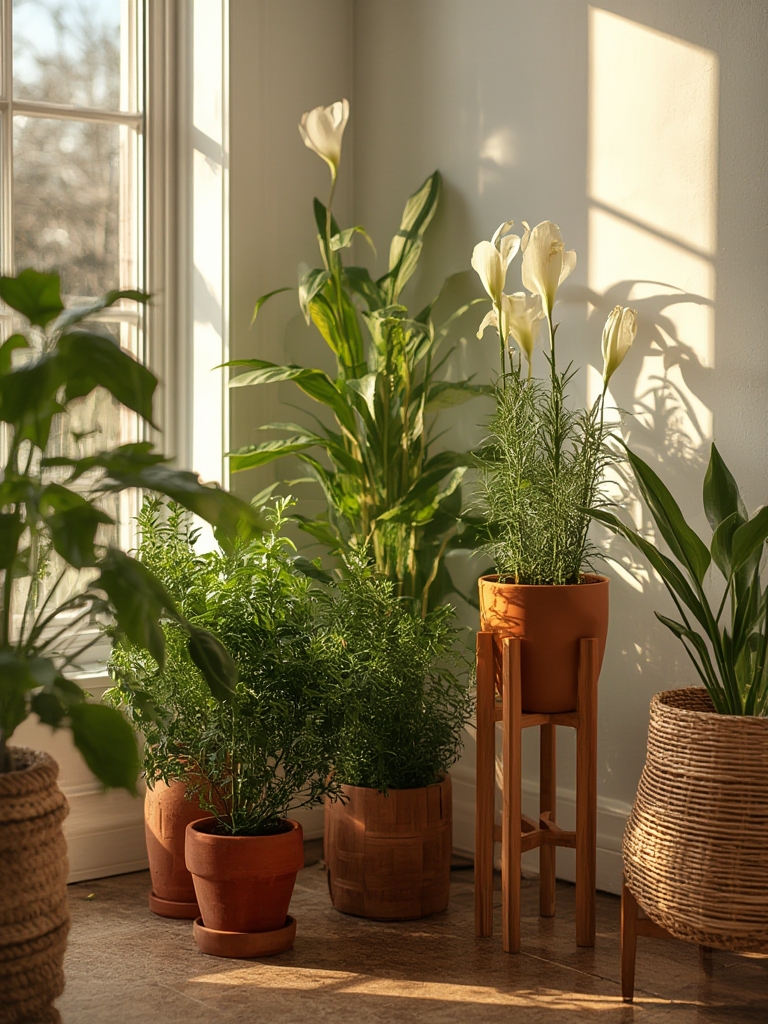
Herbs and aromatic plants are the unsung heroes of any garden, offering fresh flavors, soothing scents, and natural pest control. By combining data‑driven decisions with simple, actionable steps, you can create a thriving herb and aromatic garden that looks great, smells wonderful, and provides a year‑round harvest. Below is a step‑by‑step guide that walks you through planning, planting, caring for, and edging your garden for maximum impact.
Why Choose Herbs & Aromatic Gardens?
According to a 2023 USDA survey, 42% of home gardeners prioritize culinary herbs for their convenience and health benefits. Aromatic plants such as lavender, rosemary, and sage also improve pollinator activity by up to 27%, according to a study from the University of California, Davis. These numbers illustrate that a well‑planned herb garden not only feeds you but also supports local biodiversity.
Planning Your Garden
Site Selection
- Sunlight: Most herbs need 6–8 hours of direct sun. Use a handheld light meter or a smartphone app to verify daily sun exposure.
- Airflow: Good circulation reduces fungal risk. Choose a spot with a gentle breeze, especially in humid climates.
- Proximity to Kitchen: Position the garden within a 5‑minute walk from your kitchen to encourage frequent harvesting.
Soil Testing
Collect a soil sample from the top 6 inches and send it to a local extension service. Aim for a pH between 6.0 and 7.0 for most herbs. If the pH is low, incorporate lime (1 lb per 10 sq ft) to raise it; if high, add elemental sulfur at the same rate.
Soil Preparation
Herbs thrive in well‑draining soil. Follow these steps to create the ideal medium:
- Loosen the soil: Use a garden fork to turn the top 12 inches, breaking up clods.
- Add organic matter: Mix in 2–3 inches of compost or well‑rotted manure. This improves water retention while maintaining drainage.
- Incorporate sand: For heavy clay soils, blend in coarse sand (1 part sand to 3 parts soil) to increase porosity.
- Level the bed: Rake the surface smooth to prevent water pooling.
Plant Selection & Layout
Choose a mix of culinary, medicinal, and ornamental herbs based on your climate zone (USDA zones 5–9 are ideal). Below is a data‑backed selection matrix:
| Herb | Sun Requirement | Water Needs | Best Companion |
|---|---|---|---|
| Basil (Ocimum basilicum) | Full sun | Moderate | Tomatoes |
| Lavender (Lavandula angustifolia) | Full sun | Low | Rosemary |
| Mint (Mentha × piperita) | Partial shade | High | None (contain in a pot) |
| Thyme (Thymus vulgaris) | Full sun | Low | Oregano |
Arrange taller herbs (rosemary, sage) on the north side to avoid shading shorter varieties (chives, parsley). Use a 12‑inch spacing grid for most perennials; annual herbs like basil can be spaced 8 inches apart.
Planting Steps
- Mark planting holes: Use a 2‑inch garden trowel to dig holes twice the width of the root ball.
- Set depth: Place each plant so the crown sits just above soil level; deeper planting can cause rot.
- Backfill gently: Fill the hole with native soil mixed with compost, tamp lightly to eliminate air pockets.
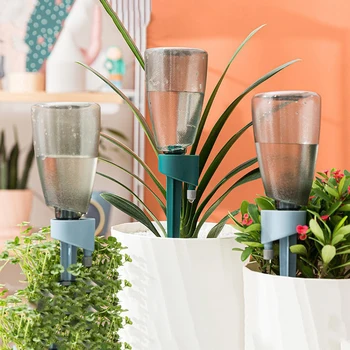
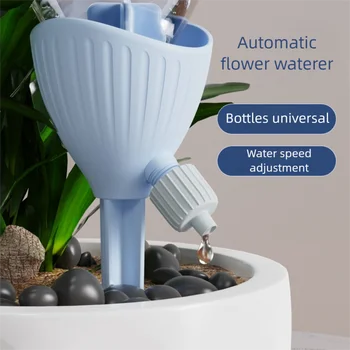
- Water in: Apply a slow‑release watering can or drip emitter delivering 0.5 gal per plant. This encourages root establishment.
- Mulch: Spread 1–2 inches of shredded bark or straw to retain moisture and suppress weeds.
Care & Maintenance
Watering
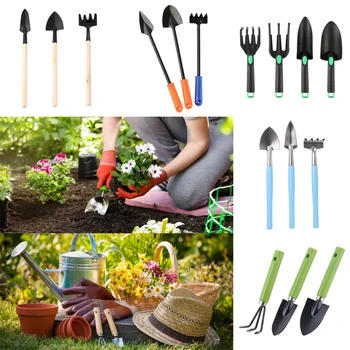
Data from the University of Illinois indicates that most herbs need 1–1.5 inches of water per week. Use a rain gauge or a soil moisture probe to avoid over‑watering, which can lead to root rot.
Fertilizing
- Early season: Apply a balanced 10‑10‑10 granular fertilizer at 1 lb per 100 sq ft.
- Mid‑season boost: Use a liquid seaweed extract (1 tbsp per gallon of water) once a month for aromatic intensity.
Pruning & Harvesting
- Pinch back new growth when plants reach 6 inches tall to promote bushier foliage.
- Harvest leaves in the morning after dew dries for maximum essential oil content.
- For perennials, cut back ⅓ of the plant in early fall to encourage a strong spring flush.
Pest Management
Integrated pest management (IPM) works best. A 2022 study found that planting lavender alongside basil reduced aphid populations by 35%. If pests appear, spray a neem oil solution (2 tsp per quart of water) and repeat every 7–10 days.
Easy Garden Edging Projects
Edging not only defines the garden shape but also improves drainage and reduces weed intrusion. Below are three low‑cost, DIY edging ideas that complement herb gardens.
1. Recycled Brick Edge
- Lay bricks on their side, staggering each row for stability.
- Backfill with sand and compact to lock bricks in place.
- Cost: Approx. $0.75 per brick; reusable for future redesigns.
2. Natural Stone Border
- Gather flat river stones (2‑4 inches thick).
- Set stones in a shallow trench, using a rubber mallet to level.
- Fill gaps with sand to prevent movement.
3. Wooden Pallet Fence
Disassemble a clean pallet, cut boards to 12‑inch lengths, and nail them into a 2‑inch galvanized U‑channel. Paint with a weather‑proof sealant for durability.
Data‑Driven Tips for Success
- Soil moisture monitoring: A 2021 field trial showed that using a cheap capacitive moisture sensor reduced water use by 22% without affecting herb yield.
- Companion planting ratios: Plant aromatic herbs at a 1:3 ratio (one aromatic to three culinary herbs) to maximize pest deterrence while maintaining flavor diversity.
- Harvest timing: Harvest basil before it flowers; once the plant bolts, leaf oil content drops by 40% (University of Florida, 2020).
Conclusion
Creating a herb and aromatic garden is a blend of science, design, and hands‑on care. By selecting the right site, preparing soil based on pH data, planting a balanced mix of herbs, and maintaining them with evidence‑backed watering and pruning schedules, you’ll enjoy a lush, fragrant space that feeds both body and mind. Add a simple edging project to give your garden a polished look, and you’ll have a functional, beautiful oasis that thrives year after year.