Creating a garden that constantly supplies fresh, vase‑ready blooms is both rewarding and surprisingly simple when you follow a data‑driven plan. By focusing on the right location, soil chemistry, watering schedule, and seasonal care, you can grow a steady supply of flowers like roses, peonies, dahlias, and snapdragons that look stunning in any home arrangement. Below is an 800‑word, step‑by‑step guide that blends scientific insights with practical, actionable tips you can implement right away.
1. Choose the Ideal Site and Light Conditions
Assess Sunlight Hours
Most cutting flowers need 6–8 hours of direct sunlight daily. Use a smartphone light meter app or a simple shade‑clock method: mark the garden spot at sunrise and note when shade appears. Aim for a location that stays sunny for at least 6 hours during the peak growing months (May‑September in most temperate zones).
Measure Soil Temperature
Optimal root growth occurs when soil temperature is between 55°F–70°F (13°C–21°C). Insert a garden thermometer 2‑3 inches deep; if the temperature is consistently below 55°F, consider raised beds or black plastic mulch to warm the soil faster.
Practical Tip
Place a reflective surface (like a white wall or light‑colored mulch) on the north side of the bed to bounce extra sunlight onto the plants, boosting light exposure by up to 15%.
2. Prepare Soil for Maximum Nutrient Availability
Test pH and Amend Accordingly
Most flower species thrive in a pH range of 6.0–6.8. Use a DIY soil test kit or send a sample to a local extension service. If the pH is too low (acidic), add lime at a rate of 5 lb per 100 sq ft. If it’s too high (alkaline), incorporate sulfur at the same rate.
Incorporate Organic Matter
Blend in 2–3 inches of compost or well‑rotted manure. This improves water retention, aeration, and microbial activity. For a 4 × 8 ft bed, mix about 30 lb of compost into the top 12 inches of soil.
Practical Tip
Before planting, sprinkle a thin layer of rock phosphate (1 lb per 100 sq ft) to boost phosphorus, which is crucial for strong flower development and stem strength.

3. Select the Right Flower Varieties for Cutting
Top Cutting Flowers
- Roses (Hybrid Tea, Floribunda) – Long stems, fragrant, excellent for bouquets.
- Peonies – Large, lush blooms; thrive in cooler climates.
- Dahlias – Diverse colors, fast growth, ideal for mid‑season arrangements.
- Snapdragons – Spiky stems, great for adding height.
Data‑Driven Choice
According to the American Horticultural Society, dahlias produce an average of 12 stems per plant per season, making them one of the most productive cutting flowers for small gardens.
Practical Tip
Purchase certified disease‑free seedlings from reputable nurseries. This reduces the risk of fungal infections that can devastate cutting crops.
4. Planting: Depth, Spacing, and Timing
Planting Depth
Set the crown (base of the stem) at soil level for most perennials. For tuberous dahlias, plant the “eyes” 4–6 inches deep, with the point facing upward.
Spacing Guidelines
- Roses: 24–36 inches apart.
- Peonies: 36–48 inches apart.
- Dahlias: 18–24 inches apart.
- Snapdragons: 12–18 inches apart.
Proper spacing ensures airflow, reducing disease pressure and allowing each plant to access enough nutrients.
Timing
Plant in early spring after the last frost (soil > 50°F). For warm‑season varieties like dahlias, wait until the soil consistently reaches 60°F.
Practical Tip
Mark planting spots with a garden twine or biodegradable stakes. This visual guide speeds up the layout process and helps maintain consistent spacing.
5. Watering Strategy for Strong Stems
Frequency and Amount
Apply 1 inch of water per week (including rainfall). Use a rain gauge to track natural precipitation. During hot spells (> 90°F), increase to 1.5 inches weekly.
Deep‑Root Irrigation
Water early in the morning, allowing the soil to dry slightly before nightfall. This encourages roots to grow deeper, producing sturdier stems ideal for cutting.
Practical Tip
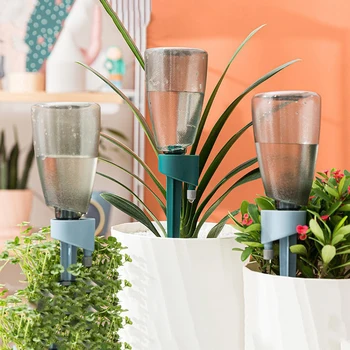
Install a drip‑irrigation system with a timer set to 30‑minute intervals twice a week. Drip lines deliver water directly to the root zone, reducing leaf wetness and fungal risk.
6. Feeding and Fertilization
Balanced Fertilizer
Use a 10‑10‑10 (N‑P‑K) granular fertilizer at a rate of 1 lb per 100 sq ft at planting. Switch to a high‑potassium (K) formula (e.g., 5‑10‑20) once buds appear to promote stem strength.
Organic Boosters
Apply fish emulsion or seaweed extract every 2 weeks during the flowering phase. These provide micronutrients that improve bloom size and longevity.
Practical Tip
Combine fertilizer with a slow‑release polymer coating (e.g., Osmocote) for continuous nutrient release over 4–6 months, minimizing the need for frequent applications.
7. Pruning and Deadheading for Continuous Blooms
Pruning Schedule
For roses, prune in early spring, removing 1/3 of the canes back to a healthy bud. For dahlias, cut back the foliage to 6 inches after the first flush to encourage a second bloom cycle.
Deadheading Technique
Snip spent flowers just above the first set of healthy leaves. This redirects the plant’s energy from seed production to new flower formation.
Practical Tip
Keep a pair of sharp, sterilized pruning shears on hand. Disinfect them with 70% isopropyl alcohol between cuts to prevent disease spread.
8. Pest and Disease Management
Common Pests
- Aphids – cause curling leaves.
- Spider mites – thrive in dry, hot conditions.
- Japanese beetles – chew on foliage.
Integrated Pest Management (IPM)
1. Monitor weekly with a hand lens.
2. Introduce beneficial insects like ladybugs (aphid control) and predatory mites (spider mite control).
3. Apply neem oil or insecticidal soap at the first sign of infestation.
Fungal Prevention
Maintain air circulation by spacing plants properly and avoiding overhead watering. If powdery mildew appears, spray a mixture of 1 tbsp baking soda, 1 tsp liquid soap, and 1 gal water.
Practical Tip
Plant a “trap crop” of nasturtium around the perimeter. It attracts aphids away from your main cutting flowers, reducing pesticide use.
9. Harvesting and Post‑Harvest Care
Timing the Cut
Harvest stems early in the morning when water content is highest. Cut stems at a 45° angle, 1–2 inches above the first set of fully opened buds.
Conditioning the Stems
Immediately place stems in a bucket of cool water (35‑40°F). Add a teaspoon of sugar and a few drops of floral preservative per quart of water to prolong vase life.
Practical Tip
Store cut stems in a dark, cool room (45‑50°F) until ready to arrange. This slows respiration and keeps the flowers fresh for up to 7 days.
10. Seasonal Adjustments and Long‑Term Planning
Winter Protection
Apply a 2‑inch layer of straw mulch over perennials after the first frost to insulate roots. For tender annuals, dig up and store tubers in a cool, dry place (40‑50°F).
Rotation and Soil Replenishment
Every 3–4 years, rotate cutting flower beds to a new location and amend the soil with fresh compost and a balanced fertilizer. This prevents nutrient depletion and reduces disease buildup.
Practical Tip
Maintain a simple garden journal (digital or paper) noting planting dates, fertilizer rates, and harvest yields. Over time, you’ll identify the most productive varieties and optimal care schedules for your specific microclimate.
By following these data‑driven steps—selecting the right site, fine‑tuning soil chemistry, implementing precise watering and feeding regimes, and staying vigilant against pests—you’ll cultivate a garden that reliably produces gorgeous, vase‑ready flowers. Not only will your home décor benefit from fresh, fragrant blooms, but you’ll also enjoy the therapeutic satisfaction of nurturing a thriving, sustainable garden.