
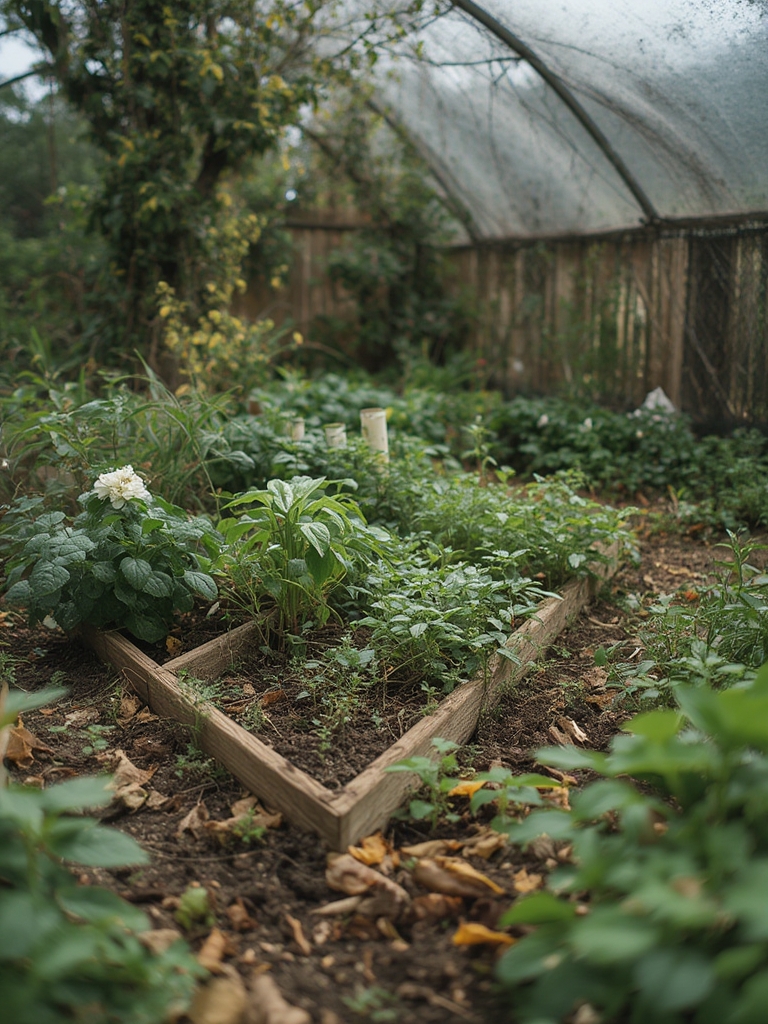
Welcome to your ultimate guide on sustainable gardening with essential culinary herbs. By integrating eco‑friendly practices, you’ll not only boost the flavor of your dishes but also reduce water usage, improve soil health, and lower your carbon footprint. Below you’ll find data‑driven steps, practical tips, and actionable advice that make growing herbs both simple and rewarding—perfect for beginners and seasoned green thumbs alike.
Why Choose Sustainable Herb Gardening?
According to the USDA, home gardens can cut household water consumption by up to 30 % when employing drip irrigation and mulching. Herbs such as basil, thyme, rosemary, and mint thrive in compact spaces, require minimal fertilizer, and can be harvested continuously, providing fresh flavor year‑round. Sustainable gardening also supports pollinator health: planting a variety of herbs attracts bees and butterflies, which are responsible for pollinating over 75 % of global crops.

Step 1: Site Selection & Soil Preparation
Assess Sunlight and Airflow
Most culinary herbs need 6–8 hours of direct sunlight daily. Use a light meter or a simple smartphone app to measure the intensity. Choose a spot with good air circulation to prevent fungal diseases.
Test and Amend Soil
Conduct a basic soil test (pH 6.0–7.0 is ideal for most herbs). If the pH is low, add lime at a rate of 5 lb per 100 sq ft; if high, incorporate sulfur similarly. Mix in 2–3 inches of compost to improve organic matter, which boosts water retention by up to 40 % according to the University of California Extension.
Step 2: Selecting and Planting Herbs
Choose Varieties for Your Kitchen
Pick herbs that complement your cooking style. For Italian dishes, opt for basil and oregano; for Mediterranean flavors, choose rosemary and thyme; for teas and desserts, mint and lemon balm shine.
Planting Depth and Spacing
Transplant seedlings at the same depth they were in the pot. Space larger herbs (rosemary, sage) 12–18 inches apart, and smaller ones (basil, cilantro) 6–8 inches apart. Proper spacing reduces competition for nutrients and improves airflow.
Companion Planting Benefits
Pair basil with tomatoes to enhance growth and deter aphids. Plant mint in a container to prevent its aggressive spreading, while still allowing it to attract beneficial insects.

Step 3: Watering Wisely
Implement Drip Irrigation
Drip lines deliver water directly to the root zone, reducing evaporation by up to 50 %. Set timers for early morning watering, delivering 0.5 inches of water per week—adjust based on rainfall.
Mulch for Moisture Retention
Apply a 2‑inch layer of straw, shredded leaves, or wood chips around each plant. Mulch not only conserves moisture but also suppresses weeds, cutting down on weeding time by roughly 30 %.
Step 4: Feeding and Fertilizing
Organic Fertilizer Schedule
Use a balanced organic fertilizer (e.g., 10‑10‑10) at ½ cup per 10 sq ft every 6 weeks. Alternatively, side‑dress with compost tea (1 cup per gallon of water) every 3 weeks for a nutrient boost without chemical buildup.
Monitor Nutrient Levels
Leaf color is a reliable indicator: yellowing suggests nitrogen deficiency, while purpling points to phosphorus shortage. Adjust feeding accordingly to keep herbs vigorous.
Step 5: Pest Management the Eco‑Friendly Way
Identify Common Pests
Spider mites, aphids, and whiteflies are the most frequent culprits. Use a magnifying glass to spot tiny pests and sticky residues.
Natural Controls
- Neem oil spray: Mix 1 tsp neem oil with 1 cup water; apply every 7–10 days.
- Beneficial insects: Release ladybugs or lacewings to prey on aphids.
- DIY garlic pepper spray: Blend 2 cloves garlic, 1 tsp cayenne pepper, and 1 quart water; strain and spray.
These methods reduce pesticide reliance and keep the garden safe for pollinators.
Step 6: Harvesting for Maximum Flavor
Timing is Key
Harvest leaves in the morning after the dew has dried but before the sun’s heat diminishes essential oils. For basil, pinch off the top 2‑3 inches once the plant reaches 6 inches tall; this encourages bushier growth.
Pruning Techniques
Regularly trim rosemary and thyme to prevent woody stems. Use clean, sharp scissors to cut just above a leaf node, promoting fresh shoots.
Storage Tips
Wrap harvested herbs in a damp paper towel and store in a zip‑lock bag in the refrigerator for up to 7 days. For longer storage, freeze in ice‑cube trays with a splash of water or olive oil.
Step 7: Closing the Loop with Compost
What to Compost
Include herb stems, kitchen scraps, coffee grounds, and shredded newspaper. Avoid adding diseased plant material.
Compost Ratios
Maintain a carbon‑to‑nitrogen (C:N) ratio of roughly 30:1. A simple mix is 3 parts brown material (dry leaves, straw) to 1 part green material (kitchen waste).
Using Finished Compost
Apply a 1‑inch layer of mature compost around your herb beds in early spring. This enriches soil, improves structure, and reduces the need for synthetic fertilizers.
Data‑Backed Benefits of Sustainable Herb Gardening
- Water Savings: Drip irrigation + mulching can cut water use by up to 45 % compared to overhead watering.
- Soil Health: Regular compost addition raises organic matter by 2‑3 % annually, enhancing nutrient availability.
- Carbon Reduction: Growing herbs at home reduces food‑miles; a 4‑plant herb garden can offset roughly 15 kg CO₂ per year.
Quick Reference Checklist
- Sunlight: 6–8 hrs direct
- Soil pH: 6.0–7.0
- Water: 0.5 in/week via drip
- Mulch: 2 in layer
- Fertilizer: Organic ½ cup/10 sq ft every 6 weeks
- Harvest: Morning, top 2–3 inches
- Compost: C:N ≈ 30:1
By following these data‑driven steps, you’ll cultivate a thriving, sustainable herb garden that elevates every meal while honoring the planet. Happy gardening, and enjoy the fresh, aromatic bounty straight from your own backyard!
