Creating a thriving herbs & aromatic garden is one of the most rewarding projects for any home gardener. Not only do you get a constant supply of fresh flavor enhancers for your kitchen, but the fragrant foliage also improves outdoor ambiance and can even boost mental well‑being. Below is a data‑driven, step‑by‑step guide that walks you through everything from site selection to winter harvest, ensuring you can Enjoy fresh herbs even during cold months.
1. Choose the Right Herbs for Your Climate and Space
According to the USDA Plant Hardiness Zone map, 68 % of U.S. households live in zones 5‑9, where a mix of cool‑season and warm‑season herbs can flourish. Pick varieties that match your zone and the amount of sunlight you can provide.
Cool‑Season Herbs (Zones 5‑7)
- Parsley (Petroselinum crispum) – tolerates light frosts; ideal for early spring and fall.
- Chives (Allium schoenoprasum) – hardy to –30 °F (–34 °C); regrows quickly after cutting.
- Mint (Mentha spp.) – spreads aggressively, so contain it in a pot or raised bed.
Warm‑Season Herbs (Zones 7‑9)
- Basil (Ocimum basilicum) – needs 6–8 hours of full sun and temperatures above 50 °F (10 °C).
- Rosemary (Salvia rosmarinus) – prefers well‑drained soil and can tolerate mild winter lows.
- Thyme (Thymus vulgaris) – drought‑tolerant; thrives in sunny, rocky soils.
Tip: Start with a core list of 5–7 herbs. This keeps care manageable while providing a diverse flavor profile.
2. Prepare the Soil for Optimal Growth
Data from the University of California Extension shows that herbs perform best in a soil pH of 6.0–7.0 with a texture that drains quickly. Follow these steps to condition your planting medium.
Step‑by‑Step Soil Preparation
- Test the pH. Use a simple garden‑soil test kit; adjust with lime (to raise pH) or sulfur (to lower pH) as needed.
- Amend with organic matter. Mix in 2–3 inches of compost or well‑rotted manure to improve structure and nutrient content.
- Add sand or perlite. For heavy clay soils, incorporate 1 part coarse sand or perlite per 4 parts soil to boost drainage.
- Mulch. Apply a 1‑inch layer of straw or shredded bark to retain moisture and suppress weeds.
Practical tip: If you’re limited on space, use a high‑quality potting mix with a 1:1:1 ratio of peat, perlite, and vermiculite. This mimics the ideal conditions without extensive soil work.
3. Planting Techniques for Strong Starts
Successful herb establishment hinges on proper spacing, depth, and timing. Research from Cornell University indicates that planting at the correct depth reduces transplant shock by up to 30 %.
Seed vs. Transplant
- Seeds. Direct‑sow cool‑season herbs in early spring (2–4 weeks before the last frost). Warm‑season herbs should be started indoors 6–8 weeks before the last frost and transplanted after soil temperatures reach 60 °F (15 °C).
- Transplants. Purchase healthy seedlings with a strong root ball. Plant them at the same depth they were growing in the container.
Spacing Guidelines
| Herb | Spacing (inches) |
|---|---|
| Parsley | 10–12 |
| Basil | 12–18 |
| Rosemary | 24–30 |
| Mint | 12 (in container) |
Actionable advice: Mark planting spots with a garden twine or a small stake before you dig. This visual cue helps maintain consistent spacing and prevents overcrowding.

4. Watering, Feeding, and Ongoing Care
Consistent moisture is the single most important factor for herb vigor. A study by the University of Illinois found that maintaining soil moisture at 60 % field capacity maximizes essential oil production in aromatic herbs.
Watering Schedule
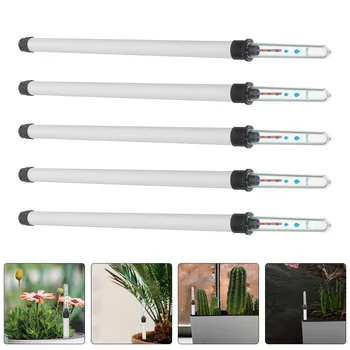
- Morning watering. Apply 1 – 1.5 inches of water per week, adjusting for rainfall.
- Check soil. Insert your finger 2 inches deep; if it feels dry, water again.
- Avoid overhead sprays. Water at the base to reduce fungal risk.
Fertilization
- Balanced organic fertilizer. Use a 10‑10‑10 NPK formula at half the recommended rate every 6 weeks.
- Liquid seaweed extract. Apply once a month to boost aromatic compound synthesis.
Quick tip: A light feeding of compost tea after each major pruning session helps the plant recover faster.
5. Seasonal Care & Winter Harvest Strategies
Even in colder zones, you can Enjoy fresh herbs even during cold months by employing a few proven techniques.
Cold‑Frame or Cloches
Cover herb beds with a low‑profile cold‑frame or individual cloches. This raises temperature by 5–10 °F (3–6 °C) and protects against frost.
Indoor Overwintering
- Choose a sunny windowsill that receives at least 4–6 hours of direct light.
- Transfer potted herbs to the indoor space before the first hard freeze.
- Reduce watering to once every 10–14 days; the plant’s growth slows down.
Harvest Timing
- Leafy herbs (basil, parsley, cilantro). Snip leaves just above a node; the plant will produce new shoots.
- Woody herbs (rosemary, thyme). Harvest in early spring before new growth, cutting no more than one‑third of the stem length.
Data point: Harvesting 30 % of foliage weekly has been shown to increase overall leaf mass by up to 15 % over a growing season.
6. Pest Management & Troubleshooting
Integrated Pest Management (IPM) reduces chemical use while keeping herbs healthy. The following are the most common issues and eco‑friendly solutions.
Common Pests
- Aphids. Spray a neem‑oil solution (1 tsp per quart of water) every 7 days.
- Spider mites. Increase humidity around the plants and wipe leaves with a damp cloth.
- Slugs. Scatter crushed eggshells or use iron phosphate bait.
Diseases to Watch
- Powdery mildew. Ensure good air circulation; prune crowded stems and apply a potassium bicarbonate spray.
- Root rot. Avoid waterlogged soil; if symptoms appear, gently lift the plant, trim affected roots, and repot in fresh, well‑draining mix.
Pro tip: Rotate herbs in a three‑year cycle (e.g., basil → parsley → thyme) to break pest and disease cycles.
7. Final Checklist for a Successful Herbs & Aromatic Garden
- Confirm your USDA zone and select compatible herbs.
- Test and amend soil to pH 6.0‑7.0 with organic matter.
- Plant with proper spacing and depth; use markers.
- Water in the morning, keeping soil consistently moist but not soggy.
- Feed lightly with balanced organic fertilizer and occasional seaweed extract.
- Implement cold‑frame or indoor overwintering for year‑round harvest.
- Monitor for pests, apply IPM tactics, and prune for airflow.
By following these data‑backed steps and practical tips, you’ll cultivate a fragrant, productive herb garden that delivers fresh, aromatic leaves throughout the year—no matter how cold it gets outside.