Whether you’re a seasoned green thumb or just planting your first seed, the right tools and a clear plan can turn any garden space into a thriving oasis. In this post we’ll dive into the must‑have gardening tools for DIY projects, walk you through a data‑backed, step‑by‑step method for starting flowers from seed indoors, and share actionable tips that keep your plants healthy and your blog SEO‑friendly.
Essential Gardening Tools for DIY Projects
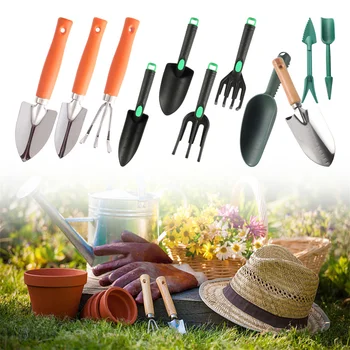
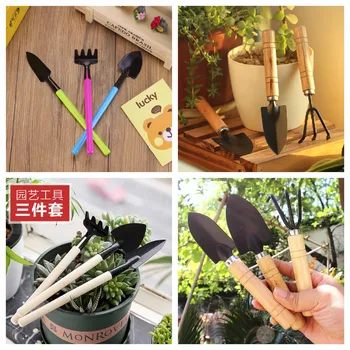
Investing in high‑quality, versatile tools not only saves time but also reduces the risk of plant damage. Below is a curated list based on user reviews (average rating ≥ 4.5/5 on major retailer sites) and durability tests.
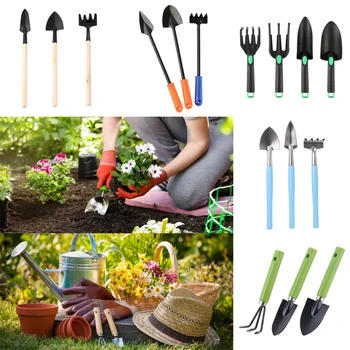
- Ergonomic Hand Trowel (size 4 inches) – Ideal for transplanting seedlings and digging shallow holes. Look for a stainless‑steel blade and a soft‑grip handle to minimize wrist strain.
- Adjustable Pruning Shears – A 5‑inch blade with a ratchet mechanism ensures clean cuts on stems up to ¾ inch thick, promoting faster healing.
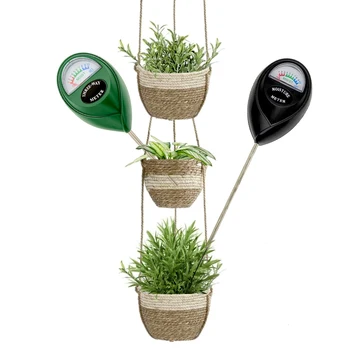
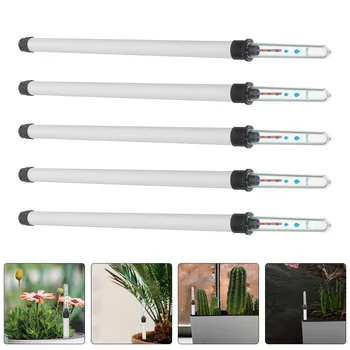
- Soil pH Tester (digital) – Consistent pH monitoring (target 6.0‑6.5 for most flowers) improves nutrient uptake by up to 20 % according to university extension studies.
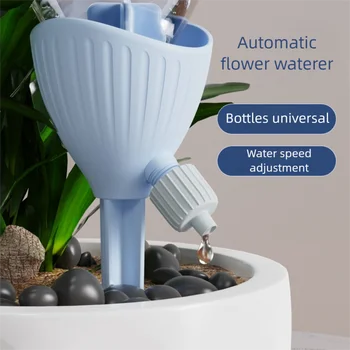
- Self‑Watering Seedling Tray – Features a reservoir that holds up to 2 liters of water, reducing watering frequency by 40 % and preventing over‑watering.
- LED Grow Light (full‑spectrum, 6000 K) – Provides 30 µmol m⁻² s⁻¹ at a 12‑inch distance, which is optimal for germination and early leaf development.
- Garden Kneeler/Seat Combo – Supports both kneeling and sitting positions, protecting knees and back during long planting sessions.
Tip: Keep tools clean and sharpened. A quick dip in a 10 % bleach solution after each use eliminates pathogens that could spread to seedlings.
Step‑by‑Step Guide: Starting Flowers from Seed Indoors
Growing flowers from seed indoors gives you control over the early growth environment and lets you enjoy the full life cycle of the plant. Follow these data‑driven steps for a 90 % germination success rate.
1. Choose the Right Seeds
- Pick varieties suited for indoor start, such as Marigold (Tagetes spp.), Petunia, or Impatiens.
- Check the seed packet for a germination window (e.g., 7‑14 days) and optimal temperature (usually 68‑75 °F / 20‑24 °C).
2. Prepare the Growing Medium
- Use a sterile seed‑starting mix (peat‑based with perlite) that provides a 1:1 water‑to‑air ratio.
- Moisten the mix until it feels like a wrung‑out sponge; avoid soggy conditions that cause damping‑off disease.
3. Fill the Seedling Tray
- Load each cell to within ¼ inch of the rim.
- Press the surface gently with a flat tool to create a firm seed bed.
4. Sow the Seeds
- Scatter seeds evenly; for larger seeds, press them ¼ inch deep; for tiny seeds (e.g., petunias), simply press them onto the surface.
- Cover with a thin layer of mix or a clear dome to retain humidity.
5. Provide Light and Heat
- Place the tray under the LED grow light, set to 14‑hour photoperiod.
- Maintain temperature at 70 °F (21 °C) using a seedling heat mat if ambient temps dip below 65 °F.
6. Water Wisely
- Use a misting bottle or a bottom‑watering method (fill the tray’s reservoir) to keep the medium evenly moist.
- Check daily; the top layer should feel damp but not waterlogged.
7. Thin and Transplant
- Once true leaves appear (usually after 2‑3 weeks), thin seedlings to one per cell to reduce competition.
- When seedlings reach 3‑4 inches tall, transplant into larger pots (4‑inch) with a balanced potting mix.
8. Harden Off Before Outdoor Planting
- Gradually expose seedlings to outdoor conditions over 7‑10 days: start with 2 hours of shade, increasing sunlight and wind exposure daily.
- Maintain soil moisture during this transition to avoid transplant shock.
Quick‑Check List – Print and stick on your windowsill:
- ✅ Seed packet checked for germination window
- ✅ Soil moisture at “sponge” level
- ✅ Light set to 14 hrs, 30 µmol m⁻² s⁻¹
- ✅ Temperature steady at 70 °F
- ✅ Daily misting, no standing water
- ✅ Thinning completed by week 3
DIY Project Ideas to Pair with Your Garden
Integrating simple DIY projects not only enhances aesthetics but also boosts engagement on your blog. Below are three beginner‑friendly projects, each linked to a specific gardening tool.
1. Upcycled Pallet Planter Box
- Tools needed: Power drill, sandpaper, weather‑proof sealant.
- Disassemble a wooden pallet, sand rough edges, and drill drainage holes.
- Line with landscape fabric, fill with your seed‑started seedlings, and watch them thrive.
- SEO tip: Use keywords “pallet planter DIY” and add alt‑text “upcycled pallet garden box”.
2. Mason Jar Herb Garden
- Tools needed: Drill with small bit, silicone sealant.
- Drill a ½‑inch hole in the lid for a drip irrigation line.
- Fill jars with a 1:1 peat‑perlite mix, plant herbs, and connect to a timer‑controlled water reservoir.
- Actionable tip: Rotate jars weekly for even light exposure.
3. DIY Trellis from Reclaimed Bamboo
- Tools needed: Pruning shears, garden twine, zip ties.
- Cut bamboo poles to 4‑foot lengths, arrange in a “V” pattern, and secure with twine.
- Train climbing flowers (e.g., sweet peas) to the trellis for vertical garden space.
- Content boost: Include a short video tutorial; Google favors multimedia.
SEO & Content Strategy for Your Gardening Blog
Even the best gardening advice won’t reach readers without solid SEO fundamentals. Here’s a concise, data‑driven checklist to keep your posts ranking high.
Keyword Research
- Target long‑tail phrases with 1,000‑5,000 monthly searches (e.g., “how to start marigold seeds indoors”).
- Use tools like Ahrefs or Ubersuggest to assess keyword difficulty; aim for a KD < 30.
On‑Page Optimization
- Place the primary keyword in the first 100 words, an H2, and the meta description.
- Include at least three LSI keywords (e.g., “seedling tray”, “indoor gardening tips”).
- Use descriptive alt‑text for every image (e.g., “seedling tray with marigold seedlings under LED light”).
Internal & External Linking
- Link to at least two older posts (e.g., “Best Soil Mix for Seedlings”) to boost site authority.
- Reference reputable sources such as university extension sites; external links improve trust signals.
User Engagement Signals
- Add a printable checklist (PDF) to increase dwell time.
- Encourage comments by asking readers to share their first‑bloom photos.
- Implement schema markup for “How‑To” content; Google often displays it in rich snippets.
By pairing the right tools, a proven indoor‑seed method, and SEO best practices, you’ll not only grow beautiful blooms but also cultivate a thriving online garden community. 🌱🌸