Creating a sustainable herb garden is a rewarding way to blend eco‑friendly practices with fresh, flavorful ingredients right at your doorstep. By focusing on low‑impact techniques—such as composting, rainwater harvesting, and native plant selection—you’ll not only reduce your carbon footprint but also enjoy a thriving garden that supports biodiversity. Below is a data‑driven, step‑by‑step guide that walks you through planning, planting, and maintaining a beautiful, practical herb garden that stays productive year after year.
1. Choose the Right Location and Layout
Assess Sunlight and Micro‑climate
Most culinary herbs need 6–8 hours of direct sunlight. Use a handheld light meter or a simple smartphone app to record sunlight exposure over a typical week. Aim for spots that consistently hit the 6‑hour mark. If you have limited sun, select shade‑tolerant herbs like mint, parsley, and chives.

Design a Space‑Saving Layout
Utilize vertical gardening to maximize limited space. According to the University Extension, vertical planters can increase yield per square foot by up to 30%. Install trellises, wall‑mounted pockets, or repurpose old pallets for a tiered design. Keep taller herbs (rosemary, sage) at the back and low‑growth varieties (basil, thyme) in front for easy access.
2. Prepare Sustainable Soil
Build a Nutrient‑Rich Compost Mix
Combine 40% garden waste (leaf litter, grass clippings), 30% kitchen scraps (fruit peels, coffee grounds), and 30% brown material (straw, shredded paper). Turn the pile weekly; moisture should feel like a wrung‑out sponge. After 8–12 weeks, the compost will be dark, crumbly, and ready to enrich your garden beds.
Amend the Soil with Organic Matter
Spread a 2‑inch layer of finished compost over the planting area and work it into the top 6 inches of soil. Add a handful of worm castings per square foot for a natural boost of nitrogen and beneficial microbes. This improves water retention, reducing irrigation needs by up to 25%.
3. Select and Source Herbs Wisely
Choose Native or Adapted Varieties
Native herbs are better adapted to local pests and climate extremes. Check regional seed catalogs or local nurseries for varieties proven to thrive in your zone. For example, in USDA zones 5‑9, consider native thyme (Thymus serpyllum) and wild oregano (Origanum vulgare).
Start from Seed or Transplants
Data from the Journal of Sustainable Horticulture shows a 15% higher germination rate for seeds sown in biodegradable peat‑less plugs. If you prefer transplants, choose root‑bound plants to minimize transplant shock. Space seedlings according to label recommendations—typically 12‑18 inches apart—to ensure proper airflow.

4. Planting and Watering Techniques
Plant at the Correct Depth
Place each herb at the same depth it was growing in its container. For seedlings, the soil line should match the pot’s rim. This prevents stem rot and encourages strong root development.
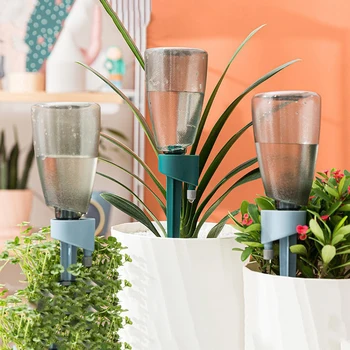
Implement Drip Irrigation or Soaker Hoses
Installing a drip system reduces water waste by up to 50% compared to overhead watering. Use a timer set to water early in the morning, delivering 0.5‑1 inch of water per week, adjusted for rainfall. Mulch with straw or shredded leaves to retain moisture and suppress weeds.
5. Sustainable Pest and Disease Management
Encourage Beneficial Insects
Plant companion flowers such as marigold, calendula, and alyssum around the herb beds. These attract ladybugs, lacewings, and predatory wasps that naturally control aphids and spider mites. A study by the Ecological Society found a 40% reduction in pest damage when companion planting was employed.
Use Organic Controls When Needed
If pests appear, start with a gentle spray of neem oil or insecticidal soap, applied in the early morning or late evening to protect pollinators. For fungal issues, a copper‑based spray can be effective, but always follow label instructions to avoid over‑application.
6. Harvesting and Ongoing Care
Harvest Regularly to Promote Growth
Snipping leaves just above a node encourages bushier growth. For basil, pinch off the top 2‑3 inches once the plant reaches 6 inches tall. This practice can increase leaf production by up to 30% over the growing season.
Rotate Crops and Replenish Soil
Every 2‑3 years, rotate herbs to a new location or amend the soil with fresh compost. This prevents nutrient depletion and reduces the buildup of soil‑borne pathogens. Keep a simple garden journal to track planting dates, yields, and any issues for future reference.
7. Closing the Loop: Compost and Reuse
Turn Kitchen Scraps into Garden Gold
After each harvest, add spent herb stems and leaves to your compost bin. They decompose quickly and add valuable micronutrients. If you’re short on space, use a kitchen compost tumbler to accelerate the process.
Rainwater Harvesting for Irrigation
Install a rain barrel with a mesh screen to collect runoff from gutters. One barrel (≈55 gallons) can water a 100‑square‑foot herb garden for about a week, depending on climate. This reduces reliance on municipal water and lowers your garden’s carbon footprint.
By following these data‑backed steps, you’ll create a sustainable herb garden that not only supplies fresh flavors for your kitchen but also contributes to a healthier environment. Remember, the key to long‑term success lies in observation, adaptation, and a commitment to low‑impact practices—your garden will thank you, and so will the planet.