Do you dream of harvesting sun-warmed tomatoes for your salad or snipping fresh basil for your pasta, but you’re convinced you don’t have the space? Do you look at sprawling backyard gardens with a touch of envy, thinking that kind of abundance is out of reach for your apartment balcony or tiny patio?
Think again.
Welcome to the transformative world of container gardening. This is not a consolation prize for those without land; it’s a vibrant, versatile, and intensely rewarding form of gardening in its own right. It’s about reimagining your space, seeing vertical potential where others see a blank wall, and understanding that soil and life can thrive anywhere you place a pot.
Container gardening is the art and science of cultivating plants exclusively in containers instead of planting them in the ground. It’s for everyone: the urban dweller, the renter, the beginner with a sunny windowsill, and the seasoned gardener looking for a new challenge. It’s your opportunity to create a personal, portable, and utterly manageable paradise.
In this ultimate guide, we will walk through every step, from choosing your first pot to harvesting your homegrown bounty. Let’s dig in.
Why Container Gardening? The Unbeatable Benefits
Before we get our hands dirty, let’s solidify why this is such a fantastic endeavor.
- Ultimate Space Efficiency: You don’t need a quarter-acre plot. A balcony, a patio, a stoop, a windowsill, or even a fire escape can become your garden. Gardening vertically with hanging baskets and wall planters multiplies your space exponentially.
- Total Control: You are the master of your domain. You control the soil, the water, the food, and the sunlight exposure. If a plant isn’t thriving in one spot, you can simply move it. This is a huge advantage over in-ground gardening.
- Fewer Weeds and Pests: While not completely immune, container gardens are significantly less prone to invasive weeds and soil-borne pests and diseases. This means less back-breaking labor and fewer chemicals.
- Accessibility: For those with mobility issues or who struggle with bending and kneeling, raising pots to waist height on tables or stands makes gardening a joy, not a chore.
- Design Flexibility: Your garden is your living work of art. You can change the color scheme, layout, and plant combinations every season. It’s endlessly customizable and temporary, perfect for renters.
- The “Wow” Factor: There’s nothing quite like the feeling of serving a meal featuring herbs and vegetables you grew yourself, just feet from your kitchen. The flavor, freshness, and sheer pride are unbeatable.
The Foundation: Choosing the Right Container
This is the most critical first step. Your container is not just a decoration; it’s your plant’s entire universe. Its size, material, and drainage all play a vital role in your success.
Size Matters: Go Bigger Than You Think
A common beginner mistake is choosing a pot that is too small. A cramped root system leads to a stressed plant that requires constant watering and will never reach its full potential.
- Small Pots (6-10 inches): Ideal for herbs like thyme, oregano, and cilantro; for leafy greens like lettuce and spinach; and for compact flowers like pansies.
- Medium Pots (12-18 inches): The workhorse size. Perfect for one tomato plant, a few pepper plants, a trio of bush beans, or a medley of herbs.
- Large Pots (20+ inches): Necessary for large, sprawling plants like zucchini, eggplant, or small fruit trees (dwarf citrus is a patio favorite). You can also create stunning “thriller, filler, spiller” arrangements in these.
Rule of Thumb: Always check the plant’s mature size and choose a pot that is at least 2 inches wider and deeper than its root ball. For most vegetables, a 5-gallon bucket (with holes drilled in the bottom) is a great minimum size.
Material World: Pros and Cons of Pot Types
- Terra Cotta: The classic look. Pros: Porous, allowing air and water to pass through, which prevents soil from staying too wet. Cons: Dries out very quickly, can crack in freezing weather, heavy.
- Plastic/Resin: The lightweight champion. Pros: Inexpensive, retains moisture well, lightweight, comes in endless colors and styles. Cons: Less stable in wind, can become brittle in sun over time, less breathable.
- Glazed Ceramic: The stylish choice. Pros: Beautiful colors and finishes, less porous than terra cotta so they hold water better. Cons: Often expensive, very heavy, and must have a drainage hole (some decorative pots do not!).
- Wood: The natural insulator. Pros: Excellent at insulating roots from temperature swings, aesthetically pleasing. Cons: Can rot over time, heavy.
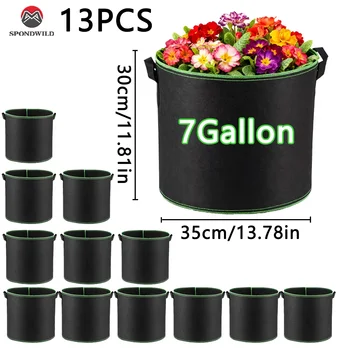
- Fabric Pots (Grow Bags): The modern marvel. Pros: Excellent air circulation “air-prunes” roots, preventing them from becoming pot-bound, lightweight, affordable. Cons: Dry out faster than plastic, less durable.
The Non-Negotiable: Drainage
Every single container you use must have drainage holes in the bottom. Without an escape route, water pools at the bottom, roots sit in soggy soil, and rot sets in quickly. If you fall in love with a pot without a hole, use it as a “cache pot”—place a plain plastic nursery pot with drainage inside the decorative one.
The Lifeblood: Selecting Your Soil and Fertilizer
Do not, under any circumstances, dig up soil from your yard or use topsoil in your containers. It is too dense, will compact, and likely contains weeds and pathogens. Your plants deserve better.
The Perfect Potting Mix
You need a high-quality Potting Mix (sometimes called Potting Soil). These mixes are specifically engineered for containers. They are:
- Light and Fluffy: To allow for oxygen to reach the roots.
- Well-Draining: Yet moisture-retentive.
- Sterile: Free from weed seeds and diseases.
Key ingredients you’ll find in good mixes are peat moss or coconut coir (for moisture retention), perlite (those little white bits for aeration), and vermiculite (for water and nutrient retention). Some may include a slow-release fertilizer to get your plants started.
Feeding Your Plants: The Art of Fertilizing
The nutrients in a confined pot of soil are used up quickly by growing plants. Regular feeding is not optional; it’s essential.
- The Basics (N-P-K): All fertilizers show three numbers, like 10-10-10. These represent Nitrogen (N for leafy growth), Phosphorus (P for root and flower development), and Potassium (K for overall plant health).
- Types of Fertilizer:
- Slow-Release Granules: Mixed into the soil at planting time, these feed your plants gently for weeks. This is a great “base layer” of nutrition.
- Water-Soluble Liquid Fertilizer: This is like a power shake for your plants. You mix it with water and apply it every 1-2 weeks. It’s perfect for giving heavy feeders like tomatoes and peppers a consistent boost.
- Organic Options: Look for fertilizers derived from natural sources like fish emulsion, seaweed, or compost tea. They feed both the plant and the soil ecosystem.
The Stars of the Show: Selecting Your Plants
This is the fun part! Almost any plant can be grown in a container if the pot is large enough. Here’s a breakdown of some of the best candidates.
Top Vegetables for Containers
- Tomatoes: The king of the container garden. Choose determinate (bush) varieties like ‘Patio Princess’ or ‘Roma’ for smaller spaces, or indeterminate (vining) varieties like ‘Sungold’ or ‘Cherokee Purple’ if you have a tall trellis. They need the sunniest spot you have and a large pot (at least 5 gallons).
- Peppers (Bell & Chili): Productive and ornamental. They love heat and sun. A 3-5 gallon pot is perfect.
- Leafy Greens (Lettuce, Spinach, Kale): Fast-growing and shade-tolerant. You can grow a cut-and-come-again salad garden in a shallow window box. They appreciate some afternoon shade in hot climates.
- Cucumbers & Zucchini: These are heavy feeders and need space. Use a large pot (10+ gallons) and provide a trellis for cucumbers to climb, saving space.
- Beans & Peas: Bush varieties are ideal for pots. They fix their own nitrogen in the soil, making them low-maintenance feeders.
- Radishes & Carrots: Choose shorter carrot varieties like ‘Parisian’ or ‘Little Finger’. A deep pot is key for root development.
Essential Herbs for the “5-Minute” Garden
The ultimate in convenience. Plant these just outside your kitchen door.
- Basil: Loves heat and sun. Pinch off flowers to encourage more leafy growth.
- Mint: A vigorous spreader—it must be grown in its own pot to prevent it from taking over.
- Rosemary, Thyme, Oregano: Mediterranean herbs that adore sun and well-drained soil. They are drought-tolerant once established.
- Parsley & Cilantro: Prefer cooler weather. Succession plant (sow new seeds every few weeks) for a continuous harvest.
Companion Flowers: Beauty and Function
Don’t just grow edibles! Flowers add beauty and can serve a purpose.
- Marigolds & Nasturtiums: These are not just pretty; they are legendary for repelling pests like aphids and beetles.
- Calendula: The petals are edible and have healing properties.
- Alyssum & Lobelia: These low-growing, spreading flowers are fantastic “spillers” that soften the edges of your pots and attract beneficial insects.
The Step-by-Step Guide to Planting Your Container
You have your pot, your soil, and your plants. Now, let’s put it all together.
- Prep Your Pot: Place a small piece of broken pottery or a coffee filter over the drainage hole(s) to prevent soil from washing out.
- Partially Fill with Potting Mix: Don’t fill it to the top yet. Leave enough room so that when you place your plant in, the top of its root ball will sit about an inch below the rim of the pot. This space is crucial for holding water.
- Prep Your Plants: Gently remove the plant from its nursery pot. If the roots are tightly wound in a circle (pot-bound), gently tease them apart with your fingers to encourage them to grow outward.
- Position the Plant: Place the plant in the center of the pot (for a focal point) or towards the back if it’s a tall plant. For mixed containers, a classic design principle is “Thriller, Filler, Spiller.”
- Thriller: One tall, dramatic plant for height (e.g., Dracaena, Snapdragon, a tomato plant).
- Filler: Mounding plants that fill the middle space (e.g., Geraniums, Petunias, Basil).
- Spiller: Trailing plants that cascade over the edge (e.g., Sweet Potato Vine, Ivy, Nasturtium).
- Fill and Firm: Add more potting mix around the plant, gently firming it down to eliminate large air pockets. Leave that 1-inch watering space at the top.
- Water Deeply: This is the most important step. Water slowly and thoroughly until water runs freely out of the bottom drainage hole. This ensures the entire root ball is moistened. You may need to water, let it settle, and water again.
The Care and Keeping of Your Container Paradise
Your garden is planted. Now, the ongoing relationship begins.
Watering Wisdom
This is the skill that separates novice gardeners from great ones. Container plants dry out much faster than in-ground plants.
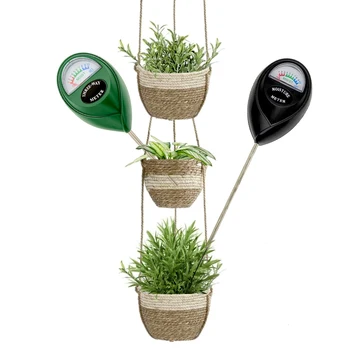
- The Finger Test: The only reliable method. Stick your finger into the soil up to your second knuckle. If it feels dry, it’s time to water. If it feels moist, wait.
- Water Deeply, Not Lightly: A quick sprinkle only wets the surface. You must water until it runs out the bottom. This encourages deep, strong roots.
- Time of Day: Water in the early morning. This allows leaves to dry off during the day, preventing fungal diseases, and gives plants a reservoir to draw from in the heat.
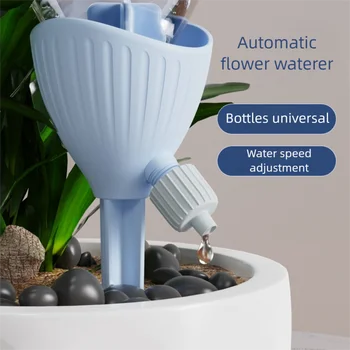
- Self-Watering Pots: A fantastic investment if you have a busy lifestyle or are prone to under-watering. These pots have a reservoir that wicks water up into the soil as needed.
Ongoing Feeding
Remember, you’re feeding the soil, not just the plant. Follow the instructions on your chosen water-soluble fertilizer, typically every 1-2 weeks during the main growing season (spring and summer). Ease off in the cooler fall months.
Pruning and Deadheading
- Pinching: For herbs like basil and mint, regularly pinching off the top set of leaves encourages a bushier, more productive plant.
- Deadheading: For flowers and some vegetables, snipping off spent blooms encourages the plant to produce more flowers instead of going to seed.
- Suckering (for Tomatoes): For indeterminate tomatoes, removing the small shoots that grow in the “V” between the main stem and a branch (suckers) helps direct energy into fruit production.
Pest and Disease Patrol
Check your plants regularly. Early detection is key.
- Aphids: A strong blast of water from the hose or a spray of insecticidal soap usually does the trick.
- Powdery Mildew: A white, powdery fungus that appears on leaves. Improve air circulation and avoid wetting the leaves when watering. Organic fungicides can help.
- Slugs & Snails: They love tender greens. An organic solution is to place a shallow dish of beer near the plants; they are attracted to it and will drown.
Seasonal Shifts: Your Year-Round Container Garden
Your garden can have four seasons of interest.
- Spring: Cool-season crops shine here—lettuce, peas, radishes, pansies.
- Summer: This is the peak for heat-lovers—tomatoes, peppers, basil, cucumbers, marigolds.
- Fall: As temperatures cool, plant another round of lettuce, spinach, kale, and ornamental cabbages.
- Winter: In milder climates, you can overwinter herbs like rosemary and thyme. In cold climates, empty your pots to prevent them from cracking, or protect them by moving them to a sheltered location.
Conclusion: Your Patio Paradise Awaits
Container gardening is more than a hobby; it’s a declaration of independence from the notion that you need vast space to connect with the earth and grow your own food. It’s a creative, life-affirming practice that reduces stress, beautifies your home, and puts the freshest, most flavorful ingredients at your fingertips.
It teaches patience, observation, and care. You will learn to read the subtle signs of your plants—the slight wilt that calls for water, the pale leaves that ask for food. You will become an architect of miniature ecosystems.
So, what are you waiting for? Find a pot, some soil, and a plant that makes your heart sing. Start small, with a single basil plant or a pot of cheerful marigolds. Nurture it, learn from it, and watch as it grows. Before you know it, your patio, balcony, or windowsill will be transformed into your own personal, productive, and beautiful paradise.
Happy gardening