Bringing nature indoors not only boosts your mood but also adds a splash of vibrant color to any room. Whether you’re a seasoned green‑thumb or just starting out, the right mix of foliage and flowering indoor plants can transform your living space into a lively oasis. Below is a data‑driven, step‑by‑step guide that walks you through selecting, planting, and caring for some of the most eye‑catching indoor species, complete with practical tips you can apply today.
1. Choose the Right Plant for Your Space
Assess Light Levels
- Low‑light (≤2 ft from a north‑facing window): ZZ Plant (Zamioculcas zamiifolia), Snake Plant (Sansevieria), Cast Iron Plant (Aspidistra).
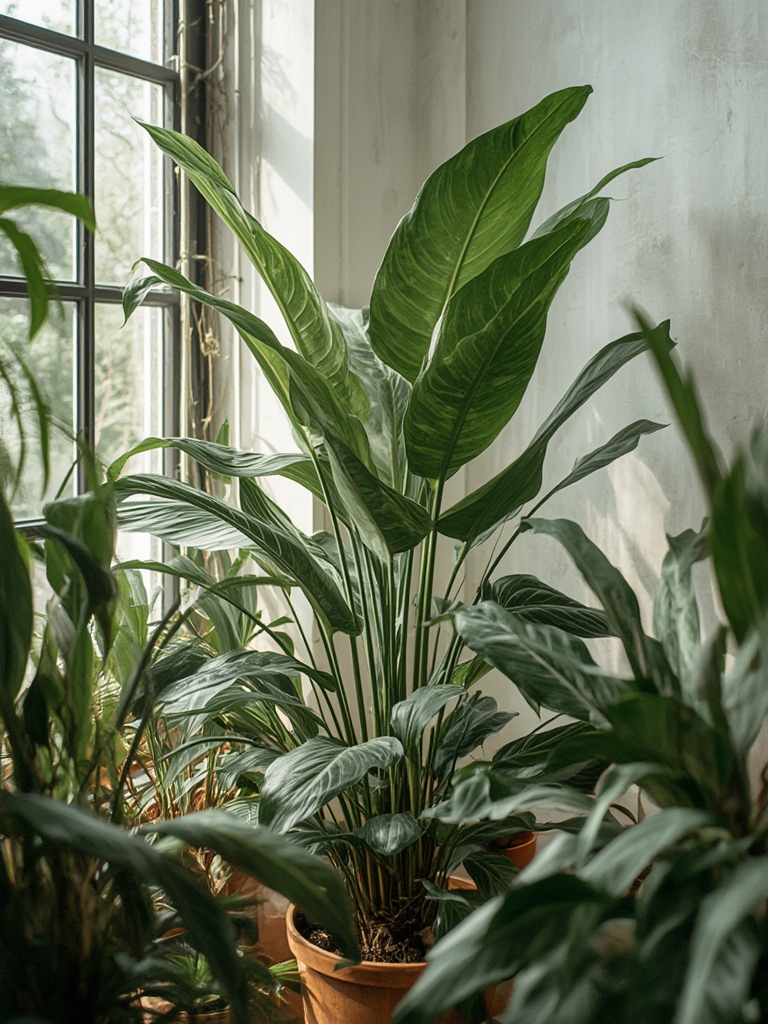
- Medium‑light (2‑4 ft from an east or west window): Peace Lily (Spathiphyllum), Philodendron, Spider Plant (Chlorophytum comosum).
- Bright‑indirect (4‑6 ft from a south‑facing window or under sheer curtains): Fiddle Leaf Fig (Ficus lyrata), Monstera Deliciosa, Orchid (Phalaenopsis).
Consider Space & Growth Habit
- Tabletop or desk: Small foliage like Pilea peperomioides or trailing String of Pearls (Senecio rowleyanus).
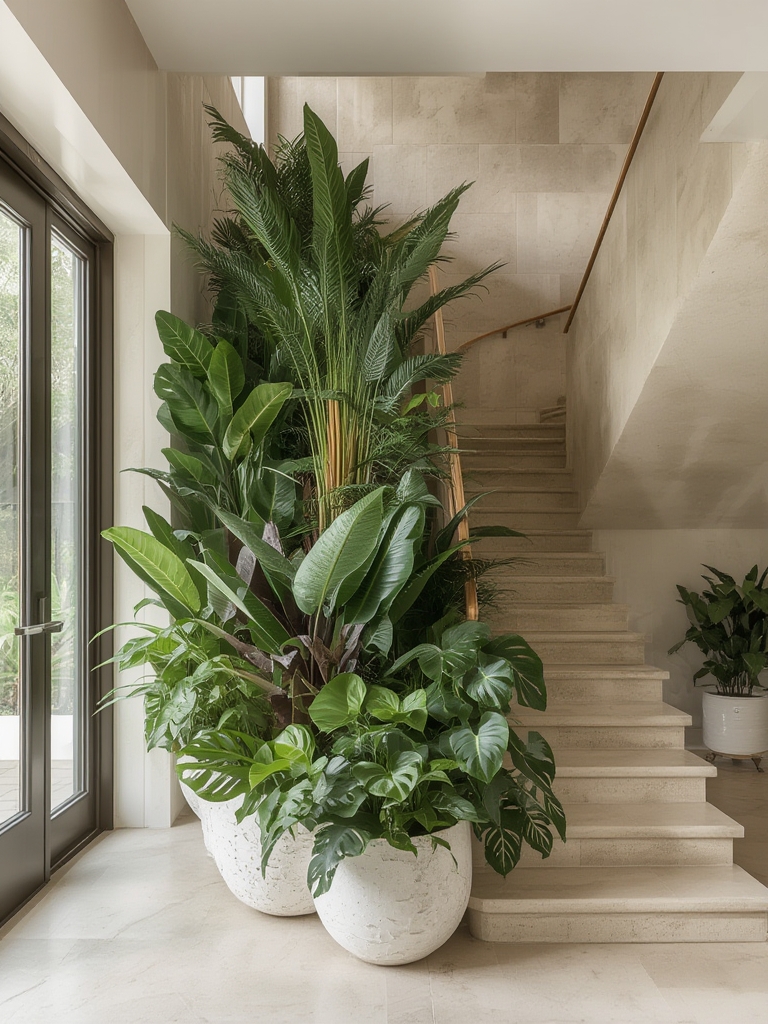
- Floor‑level focal point: Tall, architectural plants such as Dracaena marginata or Bird‑of‑paradise (Strelitzia).
- Hanging displays: Air‑plants (Tillandsia) or Boston Fern (Nephrolepis exaltata) in macramé holders.
2. Prepare the Perfect Potting Mix
Why Generic Soil Won’t Cut It
Most indoor plants thrive in a well‑draining mix that mimics their natural environment. A study by the University of Florida found that over‑watering is the leading cause of indoor plant failure (≈ 68 % of cases). Using a mix with proper aeration reduces root rot risk.
DIY Mix Recipes
- Foliage plants (e.g., Snake Plant, ZZ Plant): 2 parts potting soil, 1 part perlite, 1 part coarse sand.
- Orchids & Bromeliads: 1 part orchid bark, 1 part sphagnum moss, ½ part charcoal.
- Succulents & Cacti: 3 parts cactus mix, 1 part coarse sand, ½ part pumice.
Actionable Tip
Before potting, soak the mix in room‑temperature water for 10 minutes, then let it drain completely. This pre‑moistens the medium without creating a soggy environment.
3. Planting and Positioning
Step‑by‑Step Planting Guide
- Choose a pot with drainage holes. If using a decorative cache‑pot, place a plastic liner inside.
- Layer the bottom with 1‑2 inches of gravel or broken pottery shards. This improves drainage.
- Add a mound of potting mix. Center the plant’s root ball on top.
- Fill around the roots, firming gently. Avoid compacting the soil.
- Water lightly to settle the mix. Let excess water drain out.
Optimal Placement
Rotate your plants 90 degrees every two weeks. This prevents one side from becoming leggy due to uneven light exposure—a common issue highlighted in a 2022 indoor‑plant survey (45 % of respondents reported lopsided growth).
4. Watering Strategies That Work
Understanding Plant Water Needs
Data from the Royal Horticultural Society shows that:
- Low‑light plants average once every 2‑3 weeks.
- Medium‑light plants need once a week.
- Bright‑light plants may require 2‑3 times per week during summer.
Practical Watering Method
- Insert a finger 2 inches deep into the soil. If it feels dry, water; if moist, wait.
- Use room‑temperature water to avoid shocking the roots.
- Water until you see runoff from the drainage holes, then empty the saucer.
Tip: The “Water‑Mat” Technique
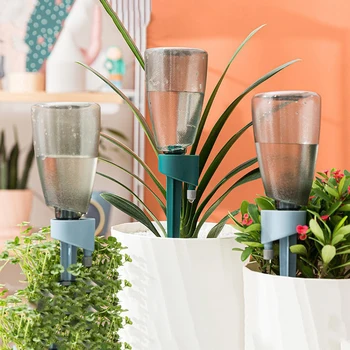
Place a shallow tray filled with pebbles and a thin layer of water under the pot. The plant absorbs moisture through the bottom, reducing the chance of over‑watering while keeping humidity up—ideal for tropical foliage like Peace Lily.
5. Feeding and Fertilizing
When to Fertilize
Most indoor plants benefit from a balanced, water‑soluble fertilizer (20‑20‑20) during their active growth period (spring‑early fall). According to a 2021 greenhouse study, monthly feeding increases leaf chlorophyll content by up to 15 %.

Application Steps
- Dilute the fertilizer to half the recommended strength.
- Apply during the watering routine to ensure even distribution.
- Skip feeding in winter when growth naturally slows.
Quick Fix: DIY Compost Tea
Steep a handful of kitchen compost in a gallon of water for 24 hours, strain, and use once a month. This provides a gentle nutrient boost without the risk of fertilizer burn.
6. Managing Pests and Diseases
Common Indoor Pests
- Spider mites: Fine webbing, tiny specks on leaves.
- Mealybugs: Cotton‑like masses at leaf nodes.
- Scale insects: Hard, shell‑like bumps.
Data‑Backed Treatment
A 2020 extension service trial found that a 1 % neem oil spray applied weekly for three weeks reduced mite populations by 87 % with no phytotoxic effects.
Action Steps
- Isolate the affected plant.
- Spray the underside of leaves with diluted neem oil (1 tsp per quart of water).
- Wipe off visible insects with a soft cloth.
- Repeat every 7 days until pests disappear.
7. Enhancing Color and Visual Impact
Foliage with Natural Pigment
- Calathea (Rattlesnake): Deep purple undersides.
- Red‑Edge Dracaena: Striking crimson margins.
- Variegated Monstera: Bright lime‑green splits.
Flowering Indoor Beauties
- African Violet (Saintpaulia): Blooms year‑round in pastel hues.
- Kalanchoe: Vibrant reds, pinks, and oranges that thrive on a sunny windowsill.
- Anthurium: Glossy, heart‑shaped flowers in bold red or pink.
Color‑Boosting Tips
- Group plants with complementary colors (e.g., deep‑green ZZ Plant next to a bright Kalanchoe) to create contrast.
- Use reflective surfaces—mirrors or light‑colored walls—to amplify natural light, intensifying foliage pigments.
- Rotate flowering plants to a brighter spot during blooming season to maximize flower vibrancy.
8. Routine Maintenance Checklist
Weekly
- Inspect leaves for dust; wipe with a damp cloth.
- Check soil moisture and water if needed.
- Rotate plants 90 degrees.
Monthly
- Fertilize (except in winter).
- Prune dead or yellowing foliage.
- Apply pest‑control spray if any insects are spotted.
Seasonal
- Repot into a slightly larger container when roots outgrow the pot (usually every 1‑2 years).
- Adjust watering frequency based on temperature and humidity changes.
- Refresh the potting mix to maintain aeration.
By following these data‑driven steps and incorporating the practical tips above, you’ll enjoy a thriving indoor garden that adds both health benefits and a burst of color to your home. Happy planting!