Imagine stepping into a garden where every breath is filled with the soothing scent of rosemary, the bright zest of lemon balm, and the calming whisper of lavender. Herbs and aromatic plants not only elevate the flavor of your kitchen creations but also bring vibrant color and therapeutic aromas to any indoor or outdoor space. Whether you’re a seasoned green‑thumb or just starting out, this guide breaks down the essential steps to grow, nurture, and enjoy a thriving herb and aromatic garden that looks as good as it smells.
Choosing the Right Herbs for Your Space
Assess Light Conditions
- Full sun (6‑8 hrs): Basil, thyme, oregano, sage, and rosemary thrive here.
- Partial shade (3‑5 hrs): Mint, parsley, chives, and cilantro prefer a gentler light.
- Low‑light indoor spots: Lemon balm, lavender (in a bright window), and indoor varieties of rosemary can survive with supplemental grow lights.
Match Climate to Plant Needs
Check your USDA hardiness zone or local climate data. For example, rosemary and lavender love warm, dry conditions, while mint and cilantro prefer cooler, moist environments. If your climate doesn’t naturally suit a herb, consider container gardening so you can move plants indoors during extreme weather.
Preparing the Soil and Containers
Soil Mix Essentials
- Well‑draining base: Combine 2 parts high‑quality potting mix with 1 part perlite or coarse sand.
- Organic matter: Add a handful of compost or worm castings per gallon of soil to improve fertility and moisture retention.
- pH check: Most herbs prefer a slightly alkaline to neutral pH (6.5‑7.0). Use a simple soil test kit and amend with lime for low pH or peat moss for high pH.
Selecting Containers
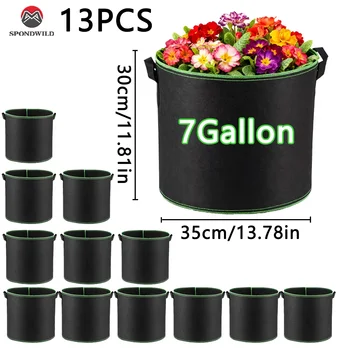
Choose pots with drainage holes to prevent root rot. For a cohesive look, use matching terracotta or glazed ceramic pots in complementary colors (e.g., deep teal for rosemary, sunny yellow for lemon balm). A 6‑inch pot works for most herbs; larger varieties like rosemary may need a 12‑inch container.
Planting and Spacing Guidelines
Seed vs. Transplant
- Seeds: Direct‑sow basil, cilantro, and dill after the last frost. Sprinkle lightly, cover with a thin layer of soil, and keep consistently moist.
- Transplants: Purchase healthy seedlings for slower‑growing herbs like rosemary, lavender, and thyme. Gently loosen the root ball and plant at the same depth as in the nursery pot.
Spacing for Airflow
Good airflow reduces fungal issues. Space herbs 8‑12 inches apart in the same container, or use individual pots for each variety if you have limited space. For vertical gardens, install a tiered shelf or wall‑mounted planters, keeping taller herbs (rosemary) at the back and low‑growth herbs (mint) in front.
Watering, Feeding, and Maintenance
Watering Techniques
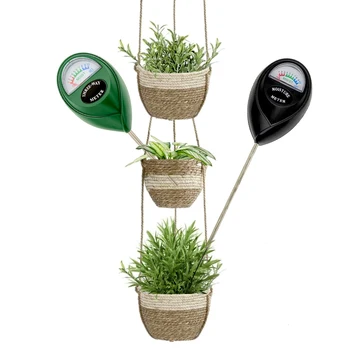
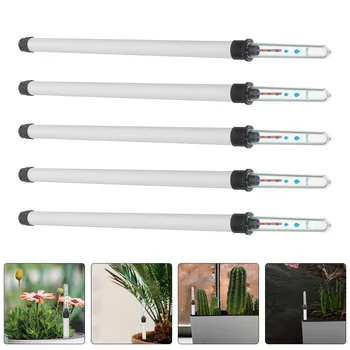
- Check moisture: Insert your finger 1‑2 inches into the soil; water only when it feels dry.
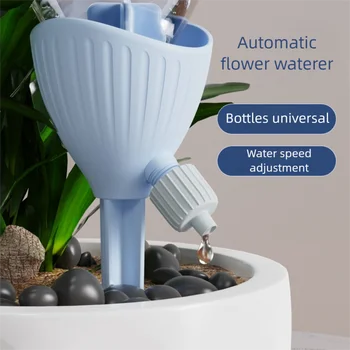
- Bottom‑watering: Place pots in a tray of water for 10‑15 minutes, allowing the soil to absorb moisture evenly—great for preventing over‑watering.
- Seasonal adjustment: Reduce watering in winter when growth slows; increase during hot summer months.
Feeding Schedule
Apply a balanced, water‑soluble fertilizer (10‑10‑10) at half strength once a month during the active growing season. For organic lovers, a liquid seaweed extract or fish emulsion works wonders and adds micronutrients that boost aromatic oils.
Pruning and Harvesting
- Pinch early: When seedlings develop 2‑3 true leaves, pinch the top to encourage bushier growth.
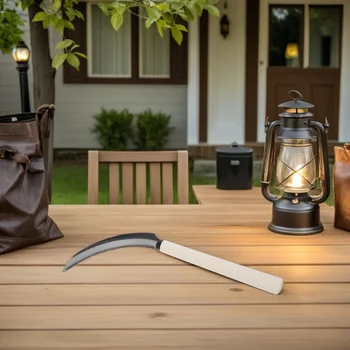
- Regular harvest: Snip leaves just above a node to stimulate new shoots. For basil, harvest before the plant flowers for the most flavorful leaves.
- Trim woody stems: Cut back rosemary and lavender annually in early spring to remove old wood and promote fresh, aromatic growth.
Dealing with Common Pests and Problems
Natural Pest Control
- Aphids: Spray a mild soap solution (1 tsp liquid dish soap per quart of water) and rinse off after 24 hours.
- Spider mites: Increase humidity by misting leaves or placing a pebble tray under pots.
- Fungal leaf spots: Ensure proper spacing, avoid overhead watering, and remove affected leaves promptly.
Companion Plant Benefits
Plant marigolds or nasturtiums nearby to deter nematodes and aphids. Basil planted alongside tomatoes reduces fungal infections, while mint can act as a natural repellent for ants and beetles.
Designing a Colorful Aromatic Display
Mix Foliage Textures
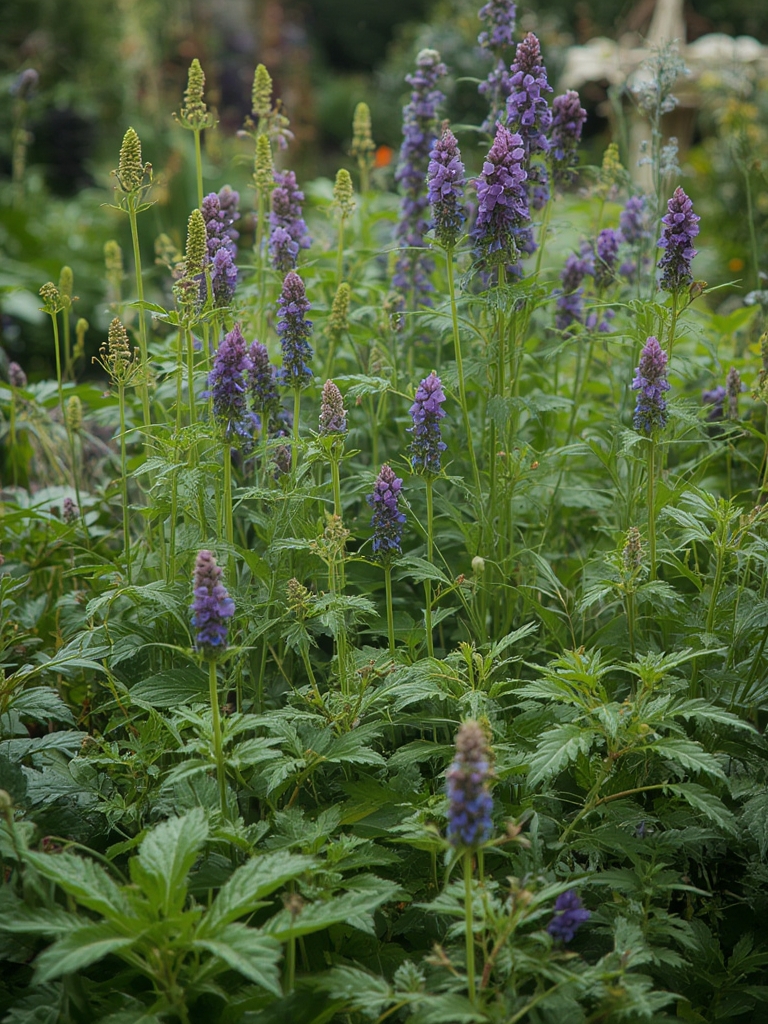
Combine the silvery, needle‑like foliage of rosemary with the soft, rounded leaves of thyme for visual contrast. Add the deep purple hues of lavender spikes for a pop of color that also draws the eye upward.

Seasonal Blooms
Choose herbs that flower at different times: basil blooms in late summer, lavender peaks in early summer, and mint can flower throughout the growing season. This staggered blooming ensures continuous color and fragrance.
Container Arrangement Tips
- Color‑coded pots: Use pastel pots for delicate herbs (chives, parsley) and bold, dark pots for robust herbs (rosemary, sage).
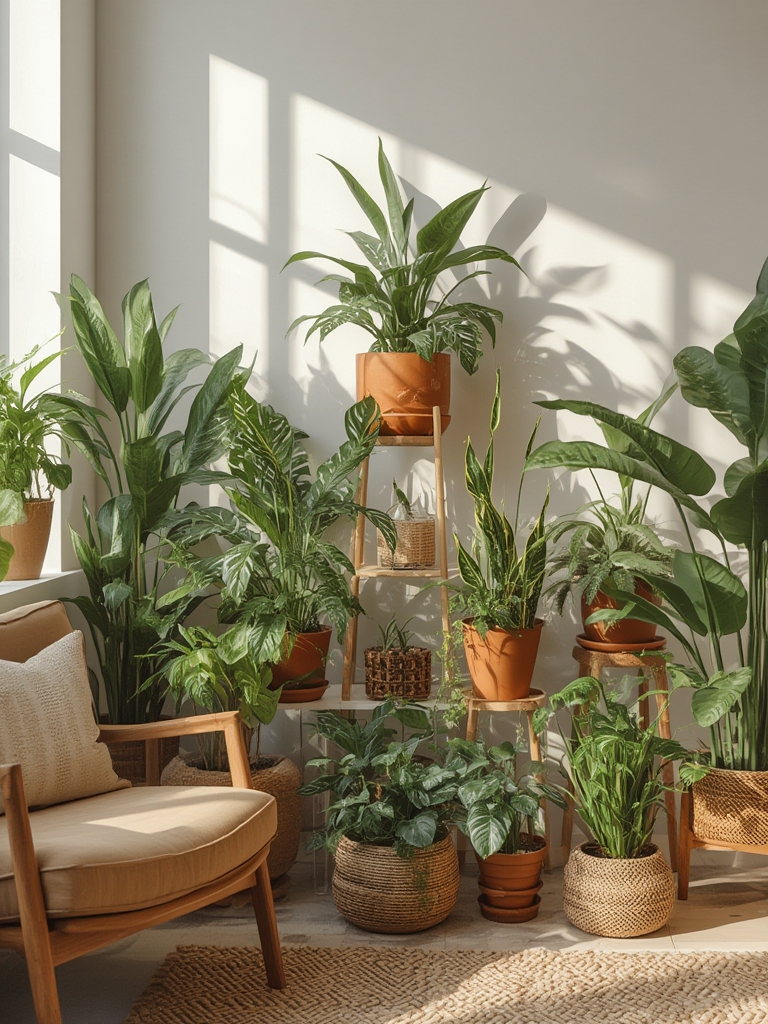
- Layered heights: Place taller pots on a low stand or shelf, creating a tiered garden that works as a living wall art piece.
- Decorative stones: Top the soil with river rocks or crushed terracotta to improve drainage and add a polished look.
Harvesting and Using Your Herbs
Best Time to Harvest
Harvest in the morning after the dew has dried but before the sun’s heat peaks. This preserves essential oils, giving you the most potent flavor and aroma.
Storage Hacks
- Fresh in water: Trim stems and place them in a glass of water, covering loosely with a plastic bag for up to a week.
- Freezing: Chop herbs, pack into ice‑cube trays with olive oil, and freeze for ready‑to‑use portions.
- Drying: Hang small bundles upside down in a dark, well‑ventilated area. Once dry, store in airtight jars away from sunlight.
Quick Action Checklist for a Thriving Herb Garden
- Identify light levels and select herbs accordingly.
- Prepare a well‑draining, slightly alkaline soil mix.
- Choose containers with drainage and complementary colors.
- Plant seeds or transplants at proper depth and spacing.
- Water only when the top inch of soil feels dry; use bottom‑watering for consistency.
- Feed monthly with a balanced or organic fertilizer.
- Pinch, prune, and harvest regularly to encourage bushy growth.
- Monitor for pests; apply natural remedies promptly.
- Arrange pots for height variation and color contrast.
- Harvest in the cool morning, then store using fresh, frozen, or dried methods.
By following these data‑driven steps and incorporating the practical tips above, you’ll transform any corner of your home into a fragrant, colorful sanctuary. Your herb and aromatic garden will not only enhance meals and wellness but also serve as a living piece of art that continuously delights the senses.