Indoor plants are more than just decorative accents; they improve air quality, boost mood, and create a calming atmosphere in any space. By following a data‑driven approach—using research on light levels, watering frequency, and soil moisture—you can turn even a novice into a confident plant parent. Below is a step‑by‑step guide that blends scientific insights with practical tips, plus design ideas using bold and subtle color palettes to craft a stunning indoor garden.
1. Choose the Right Plant for Your Space
Start by matching plant requirements to your home’s conditions. A simple spreadsheet can help you compare variables such as light intensity (lux), humidity (%), and temperature range (°F/°C). Here are three popular categories:
Low‑Light Heroes
- ZZ Plant (Zamioculcas zamiifolia) – thrives in 50–250 lux; tolerates occasional neglect.
- Snake Plant (Sansevieria trifasciata) – optimal at 100–300 lux; stores water in thick leaves.
- Pothos (Epipremnum aureum) – prefers 100–500 lux; fast‑growing vines.
Medium‑Light Favorites
- Spider Plant (Chlorophytum comosum) – best at 300–800 lux; produces baby “spiderettes.”
- Peace Lily (Spathiphyllum) – enjoys 400–1000 lux; signals over‑watering with drooping leaves.
- Philodendron – thrives at 300–900 lux; loves consistent moisture.
Bright‑Light Specialists
- Fiddle Leaf Fig (Ficus lyrata) – needs 1500+ lux; requires a south‑facing window.
- Succulents (e.g., Echeveria, Haworthia) – 2000+ lux; drought‑tolerant, need excellent drainage.
- Aloe Vera – 1500+ lux; benefits from a sunny spot and occasional fertilization.
2. Prepare the Ideal Growing Medium
Research shows that soil porosity and pH directly affect root health. Use these guidelines:
Mix Ratios
- For cacti & succulents: 70% coarse sand or perlite, 30% potting soil (pH 6.0–7.0).
- For tropical foliage: 50% peat moss, 30% composted bark, 20% perlite (pH 5.5–6.5).
- For air‑purifying plants like peace lilies: 60% peat, 20% vermiculite, 20% loam (pH 6.0–6.8).
Practical Tip
Before filling the pot, lightly moisten the mix and press it to eliminate air pockets. This improves water retention without causing root rot.
3. Master Watering Techniques
Over‑watering is the #1 cause of indoor plant failure (according to a 2022 houseplant survey). Use a soil moisture meter or the “finger test” to gauge when to water.
Step‑by‑Step Watering
- Check moisture depth: Insert the meter 2 inches deep; aim for 30–45% for most foliage plants, 10–20% for succulents.
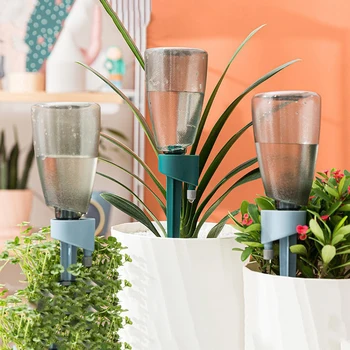
- Water evenly: Pour until water drains from the bottom hole; discard excess to avoid standing water.
- Schedule: Log watering dates in a spreadsheet; most plants need water every 5–7 days in summer, 10–14 days in winter.
Actionable Advice
Use room‑temperature water and let tap water sit for 24 hours to let chlorine dissipate—beneficial for sensitive species like ferns.
4. Optimize Light Exposure
Light intensity can be measured with a smartphone lux meter app. Position plants based on the daily light integral (DLI) they require:
Low‑Light (DLI < 5 mol·m⁻²·day⁻¹)
Place near north‑facing windows or a few feet from a bright wall. Supplement with a 5‑W LED grow light on a 12‑hour cycle.
Medium‑Light (DLI 5–10 mol·m⁻²·day⁻¹)
East‑ or west‑facing windows work well. Rotate pots 90° every two weeks for even growth.
Bright‑Light (DLI > 10 mol·m⁻²·day⁻¹)
South‑facing windows are ideal. If direct sun causes leaf scorch, diffuse with a sheer curtain.
5. Feed for Growth and Bloom
Fertilization should be data‑driven: use a balanced 20‑20‑20 NPK for foliage plants, but reduce to 10‑10‑10 for succulents.
Feeding Schedule
- Spring & Summer: Apply liquid fertilizer every 2 weeks (diluted to half strength).
- Fall: Switch to a low‑phosphorus formula to encourage root development.
- Winter: Pause feeding for most tropicals; succulents can receive a very light dose once.
Quick Tip
Mix a pinch of Epsom salt (magnesium sulfate) into the watering solution once a month to boost chlorophyll production.
6. Design Your Indoor Garden with Color Palettes
Visual harmony enhances the wellness benefits of plants. Choose a palette and repeat it across pots, foliage, and accessories.
Bold Palette
- Primary colors: Deep emerald (monstera), ruby red (anthurium), bright yellow (golden pothos).
- Use contrasting containers: matte black or brushed copper.
- Accent with a patterned rug or wall art featuring the same hues.
Subtle Palette
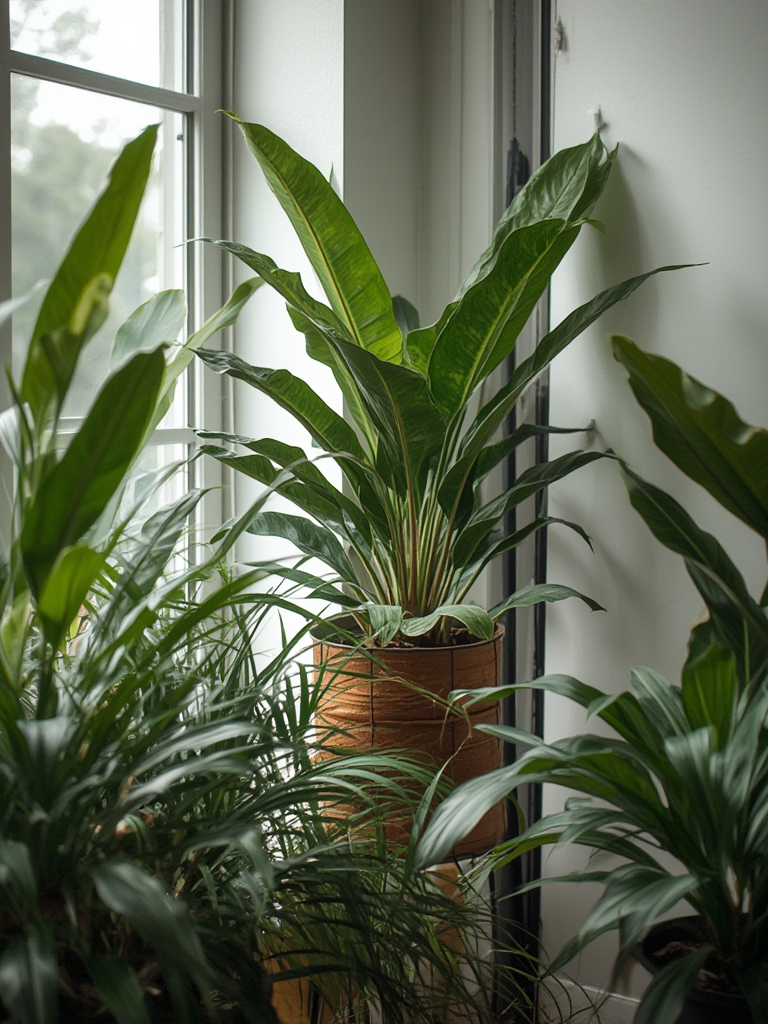
- Neutral tones: Soft sage (ZZ plant), muted ivory (peace lily), pale gray (snake plant).
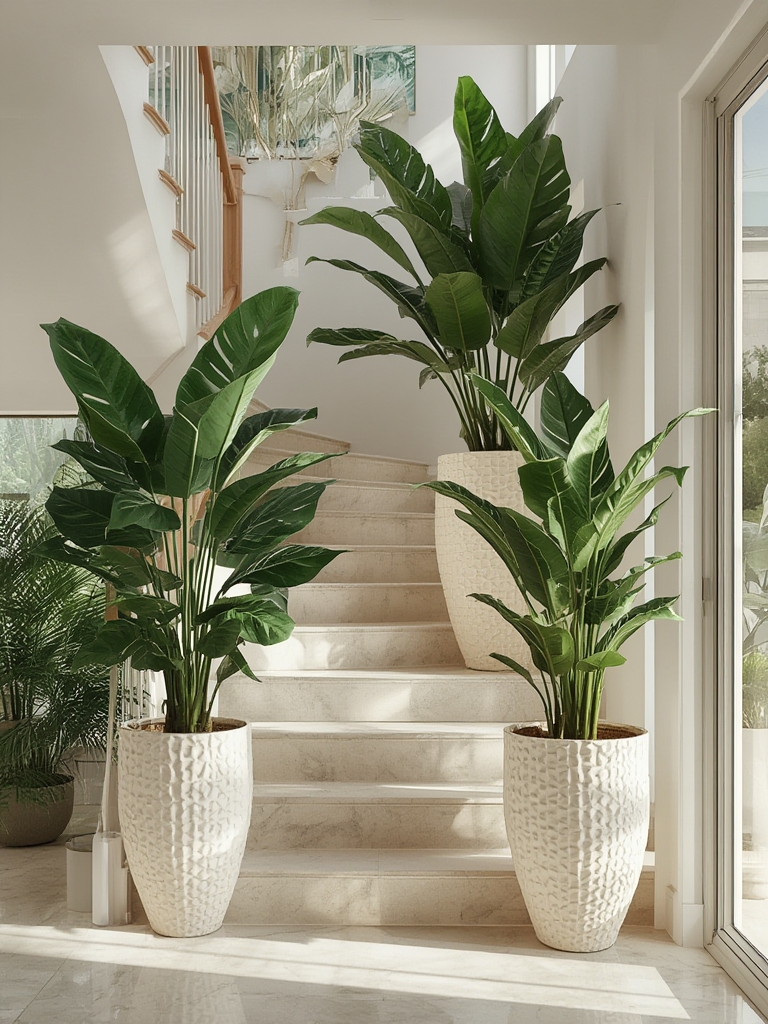
- Opt for ceramic pots in matte white, stone gray, or pastel terracotta.
- Layer with natural textures—woven baskets, linen throws—to keep the look airy.
Implementation Steps
- Map out your room on graph paper; assign each square a plant or decorative element.
- Place taller plants (e.g., fiddle leaf fig) at focal points; use trailing vines (e.g., pothos) to soften edges.
- Apply the chosen palette consistently—choose 2–3 plant species and 2 container colors to avoid visual clutter.
7. Monitor Health and Adjust
Data‑driven care means regular check‑ins. Track the following metrics in a simple Google Sheet:
- Leaf color (green = 0, yellow = 1, brown = 2)
- New growth length (cm per week)
- Soil moisture % at each watering
- Light reading (lux) at plant location
Interpreting the Data
If leaf yellowing (score = 1) coincides with high moisture (>45%), reduce watering frequency. If growth stalls and light readings are low, add supplemental lighting.
8. Troubleshooting Common Issues
Below are quick fixes based on the most frequent problems:
Yellowing Leaves
- Cause: Over‑watering or nitrogen deficiency.
- Fix: Let soil dry 2–3 days, then feed with a nitrogen‑rich fertilizer.
Brown Leaf Tips
- Cause: Low humidity or salt buildup.
- Fix: Mist daily (30–50% humidity) and flush soil with distilled water monthly.
Leggy Stems
- Cause: Insufficient light.
- Fix: Move plant 1–2 feet closer to a window or add a 10‑W LED panel.
9. Seasonal Adjustments
Plants respond to seasonal shifts in temperature and daylight. Use these guidelines to keep them thriving year‑round:
Winter Care
- Reduce watering by 30%.
- Maintain indoor temperature between 65–72°F (18–22°C).
- Increase humidity with a pebble tray or humidifier.
Summer Boost
- Increase feeding frequency to weekly.
- Rotate pots daily to prevent uneven growth.
- Watch for pest spikes (spider mites); treat with neem oil if needed.
10. Celebrate Your Success
Document progress with before‑and‑after photos. Share on social media using hashtags like #IndoorGarden and #PlantParenthood. Not only does this keep you motivated, but the engagement data can inform future plant selections—closing the loop on your data‑driven indoor garden journey.