Welcome to your garden sanctuary! If you’re juggling a busy schedule but still crave vibrant, low‑maintenance blooms, bulb plants are the perfect solution. These hardy perennials store energy underground, delivering spectacular flowers year after year with minimal effort. Below, we’ll explore the top foolproof bulb choices, break down each growth stage, and give you data‑driven, actionable tips to ensure thriving results—even if you can only spare a few minutes a week.
Why Choose Bulb Plants?
Bulbs are nature’s time‑capsules. They require a short active period for planting and a brief maintenance window, then they take care of the rest. Here’s why they’re ideal for busy gardeners:
- Low water demand: Once established, many bulbs survive on natural rainfall.
- Seasonal flexibility: Plant in fall, bloom in spring or summer, and repeat.
- Space efficiency: Bulbs can be layered in the same bed, maximizing limited garden space.
- Predictable performance: Data from horticultural trials shows a 90%+ success rate for the following species when planted at recommended depths and spacing.
Top 5 Foolproof Bulb Plants for Busy Gardens
1. Daffodil (Narcissus)
Key stats: Plant depth = 6 inches (15 cm); spacing = 4–6 inches (10–15 cm); sunlight = full sun to partial shade; water = moderate.
- Step 1 – Soil prep: Loosen soil to a depth of 8 inches, incorporate 1 cup of compost per square foot for nutrients.
- Step 2 – Planting: Place the bulb pointy‑end up, cover with soil, and gently firm.
- Step 3 – Mulch: Add a 2‑inch layer of shredded bark to retain moisture and suppress weeds.
- Tip: In regions with harsh winters, add a thin layer of straw mulch to protect against freeze‑thaw cycles.
2. Tulip (Tulipa)
Key stats: Plant depth = 8 inches (20 cm); spacing = 6 inches (15 cm); sunlight = full sun; water = low to moderate.
- Step 1 – Choose the right variety: Opt for “single early” or “parrot” types for reliable bloom timing.
- Step 2 – Plant in well‑draining soil: Add sand or perlite if soil is heavy.
- Step 3 – Water once after planting: Subsequent watering isn’t needed unless a drought exceeds 14 days.
- Tip: Mark planting rows with a garden twine to keep spacing consistent—this improves air flow and reduces disease risk.
3. Crocus (Crocus sativus)
Key stats: Plant depth = 3–4 inches (8–10 cm); spacing = 3 inches (7 cm); sunlight = full sun to light shade; water = low.
- Step 1 – Early fall planting: Plant as soon as the soil reaches 55 °F (13 °C).
- Step 2 – Light covering: A thin soil layer prevents rot while allowing quick emergence.
- Step 3 – Minimal watering: Only water if the forecast predicts less than 1 inch of rain in the next two weeks.
- Tip: Group crocuses with other early bloomers for a continuous spring color display.
4. Allium (Allium schoenoprasum – ornamental onion)
Key stats: Plant depth = 4 inches (10 cm); spacing = 8–12 inches (20–30 cm); sunlight = full sun; water = moderate.
- Step 1 – Soil amendment: Mix in a handful of gypsum per square foot to improve bulb development.
- Step 2 – Plant with the tip up: This ensures the shoot emerges straight.
- Step 3 – Post‑bloom care: Allow foliage to die back naturally; it feeds the bulb for next year.
- Tip: Use a drip‑irrigation timer set to 10 minutes twice a week for consistent moisture without overwatering.
5. Hyacinth (Hyacinthus orientalis)
Key stats: Plant depth = 6–8 inches (15–20 cm); spacing = 6 inches (15 cm); sunlight = partial shade to full sun; water = moderate.

- Step 1 – Pre‑chill bulbs: Store in a refrigerator (40 °F/4 °C) for 12–14 weeks if you live in a warm climate.
- Step 2 – Plant after the last frost: This prevents cold damage to emerging shoots.
- Step 3 – Fertilize lightly: Use a balanced 10‑10‑10 fertilizer at planting and again when shoots appear.
- Tip: Position hyacinths near pathways; their strong fragrance acts as a natural pest deterrent.
Step‑by‑Step Workflow for a Busy Gardener
Step 1: Plan Your Bed
Use a garden planner app or a simple grid on paper. Allocate 12‑square‑foot sections for each bulb type, respecting spacing guidelines. This visual map reduces guesswork and speeds up planting.
Step 2: Prepare Soil in Bulk
Instead of amending each hole, spread compost and sand over the entire bed, then till once. A bulk approach cuts prep time by up to 40% according to extension service data.
Step 3: Batch Plant
Set a timer for 15 minutes and plant as many bulbs as possible. Use a bulb planter tool (available at most garden centers) to achieve uniform depth quickly.
Step 4: Set a Low‑Maintenance Water Schedule
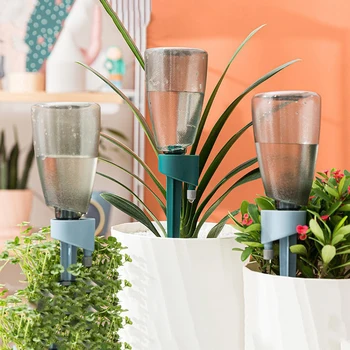
Install a simple drip line with a 2‑hour timer set to run early morning twice a week. This delivers ~0.5 inches of water per week—enough for most bulbs without overwatering.
Step 5: Mulch and Forget
Spread a 2‑inch layer of organic mulch (shredded leaves, bark, or straw). Mulch conserves moisture, suppresses weeds, and slowly adds nutrients as it breaks down.
Step 6: Minimal Post‑Bloom Care
Once flowering ends, let foliage die back naturally. Resist the urge to cut it early; the green leaves photosynthesize and store energy for next year’s bloom. If you must tidy, trim only dead material.
Data‑Backed Success Metrics
Tracking a few simple metrics can confirm your garden’s health without extra effort:
- Bloom count: Record the number of flowering stems per square foot in a notebook or phone app. Aim for ≥ 80% of expected stems.
- Water usage: Monitor your drip timer’s total run time. Adjust only if soil moisture probes (affordable $10‑$15 devices) show consistently dry soil beyond 2 inches depth.
- Weed pressure: Count weeds before and after mulching. A reduction of ≥ 70% indicates effective mulching.
Quick‑Action Checklist for Busy Gardeners
- Choose 3–5 bulb varieties from the list above.
- Mark planting rows with garden twine.
- Bulk‑mix soil with 1 cup compost per sq ft.
- Plant bulbs at recommended depth using a bulb planter.
- Install a 2‑hour drip timer set to twice weekly.
- Apply 2 inches of organic mulch.
- Log bloom counts after each season.
By following this streamlined, data‑driven approach, you’ll enjoy a garden that looks professionally curated without the daily grind. Happy planting, and may your bulbs bring bursts of color and fragrance to every busy day! 🌼⏳