Creating a thriving herbs and aromatic garden is both rewarding and practical. Not only do you gain fresh flavors and fragrant scents for cooking, teas, and natural remedies, but you also add visual interest to your outdoor space. This guide walks you through every step—from selecting the right varieties to maintaining a resilient garden that resists pests naturally. Follow the data‑driven recommendations and actionable tips below to ensure success, even if you’re a beginner.
1. Choose the Right Herbs and Aromatic Plants
Pick hardy, low‑maintenance varieties
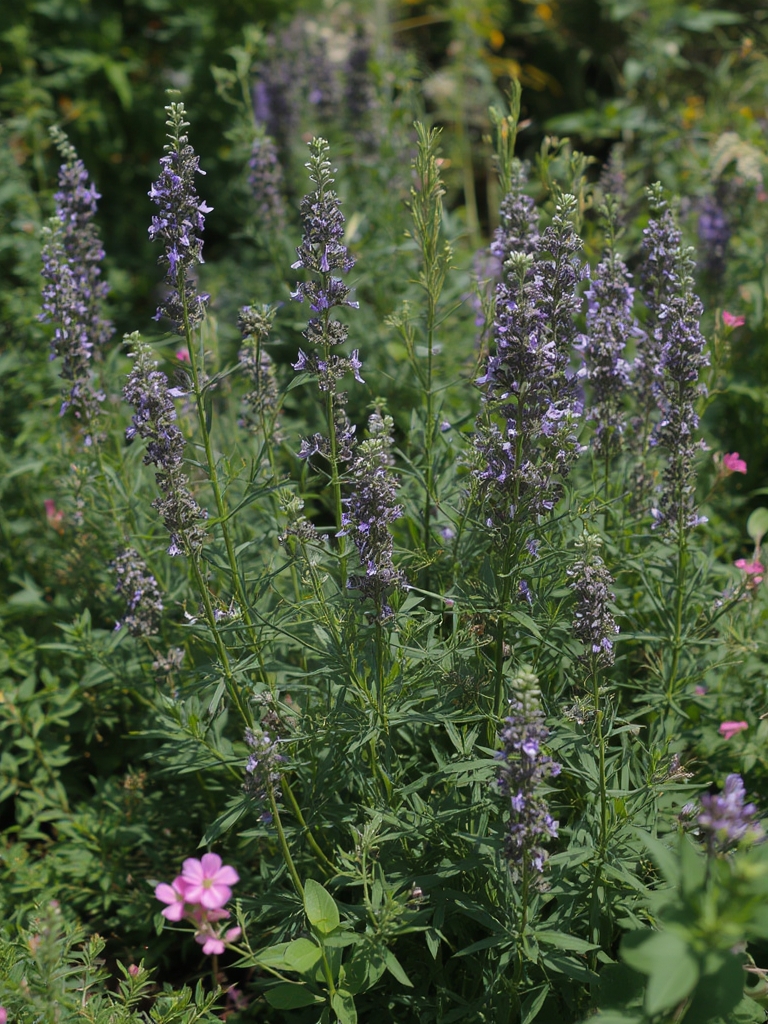
- Lavender (Lavandula angustifolia) – Drought‑tolerant, attracts pollinators, and repels many insects.
- Rosemary (Rosmarinus officinalis) – Thrives in full sun, tolerates poor soil, and has strong aromatic oils that deter pests.
- Thyme (Thymus vulgaris) – Ground‑cover herb that spreads quickly and resists fungal diseases.
- Mint (Mentha × piperita) – Vigorous grower; keep it in a container to prevent spreading.
- Sage (Salvia officinalis) – Heat‑tolerant, with silvery leaves that reflect sunlight, reducing leaf scorch.
Integrate hardy flowering companions
Adding hardy, insect‑resistant flowers creates a balanced ecosystem and reduces the need for chemical controls. Choose from:
- Marigold (Tagetes spp.) – Repels nematodes and aphids.
- Coreopsis (Coreopsis verticillata) – Drought‑tolerant, attracts beneficial insects.
- Echinacea (Echinacea purpurea) – Tough, attracts pollinators and supports soil health.
2. Prepare the Soil for Optimal Growth
Test and amend the soil
Use a simple soil test kit (available at garden centers) to check pH and nutrient levels. Most Mediterranean herbs prefer a slightly alkaline pH of 6.5–7.5.
- If pH is low, add lime at a rate of 1 lb per 100 sq ft.
- Incorporate well‑rotted compost (2–3 inches deep) to improve organic matter and drainage.
Improve drainage
Herbs dislike water‑logged roots. Amend heavy clay soils with coarse sand or perlite at a 1:4 ratio (one part amendment to four parts soil). For raised beds, use a mix of 50 % topsoil, 30 % compost, and 20 % coarse sand.
3. Planting Techniques for Success
Spacing and layout
Proper spacing reduces competition and improves air circulation, lowering disease risk.
- Lavender: 18–24 inches apart.
- Rosemary: 24–30 inches apart.
- Thyme & Sage: 12–18 inches apart.
- Mint (in containers): 12 inches apart.
Planting depth and orientation
Plant each herb at the same depth it occupied in its nursery pot. For woody stems like rosemary, bury the lower 1/3 of the root ball to encourage stability. Position plants so the sunniest side faces north‑south for even light distribution.
Mulching for moisture retention
Apply a 2‑inch layer of organic mulch (e.g., shredded bark, straw, or pine needles) around each plant. Mulch conserves water, suppresses weeds, and gradually adds nutrients as it breaks down.
4. Watering and Feeding Guidelines
Establish a watering schedule
Newly planted herbs need consistent moisture for the first 2–3 weeks. Water deeply (until water reaches 6 inches deep) every 2–3 days, then reduce to once a week once established.
Use drip irrigation or soaker hoses
These systems deliver water directly to the root zone, minimizing evaporation and leaf wetness—key factors that reduce fungal diseases.
Fertilize sparingly
Over‑fertilizing can lead to weak, leggy growth. Apply a balanced, slow‑release fertilizer (10‑10‑10) at a rate of 1 lb per 100 sq ft in early spring. Alternatively, side‑dress with compost tea once a month during the growing season.
5. Natural Pest Management with Hardy Flowers
Companion planting strategy
Plant marigolds and coreopsis along the perimeter of your herb beds. Their strong scents deter aphids, whiteflies, and nematodes, while attracting ladybugs and lacewings that prey on pests.
Physical barriers and hand‑picking
- Use row covers (lightweight fabric) during the first month of growth to protect seedlings.
- Inspect leaves weekly and remove any visible insects by hand.
DIY organic sprays
Mix 1 tbsp neem oil, 1 tsp mild liquid soap, and 1 quart water. Spray early morning or late afternoon to avoid leaf burn. Apply every 7–10 days during peak pest activity.
6. Seasonal Care and Harvesting
Spring
- Prune back woody herbs (rosemary, sage) by 20 % to encourage new growth.
- Divide thyme and mint clumps to prevent overcrowding.
Summer
- Harvest leaves in the morning after dew dries for maximum flavor.
- Pinch back flower spikes on herbs (except lavender) to prolong leaf production.
Fall
- Apply a light mulch of straw to protect roots from frost.
- Harvest and dry excess herbs for winter use.
Winter
- In colder zones, cover perennial herbs with a frost blanket or move containers to a sheltered spot.
- Trim back any dead foliage to reduce disease risk.
7. Design Tips for a Beautiful Aromatic Garden
Layered planting
Place taller, woody herbs (rosemary, sage) at the back of a border, medium‑height lavender in the middle, and low‑growing thyme or mint at the front. This creates visual depth and ensures each plant receives adequate sunlight.
Pathways and accessibility
Install stepping stones or a gravel path 2‑feet wide to allow easy access for harvesting. This also prevents soil compaction around the roots.
Container options
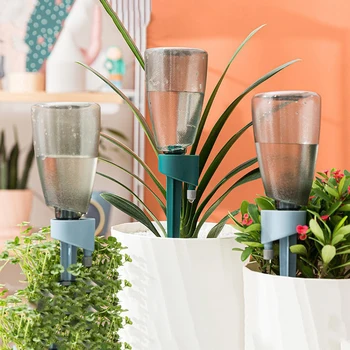
If space is limited, use self‑watering pots for mint and rosemary. Choose containers with drainage holes and a saucer to catch excess water.
Seasonal color accents
Incorporate the hardy flowers mentioned earlier to add bursts of color throughout the growing season. Their blooms complement the silvery foliage of many herbs, creating a cohesive, garden‑ready aesthetic.
By following these data‑backed steps and practical tips, you’ll cultivate a resilient herbs and aromatic garden that delivers fresh flavors, soothing scents, and visual appeal year after year. Happy gardening!