Why the Right Tools and DIY Projects Matter
Gardening isn’t just about planting seeds; it’s a blend of science, creativity, and the right equipment. A recent National Gardening Survey found that 78% of successful home gardeners credit proper tool maintenance and simple DIY upgrades for higher yields and lower pest issues. By investing a few hours in tool care and smart projects, you can transform a modest plot into a thriving, low‑maintenance oasis.
Essential Gardening Tools for Every DIY Enthusiast
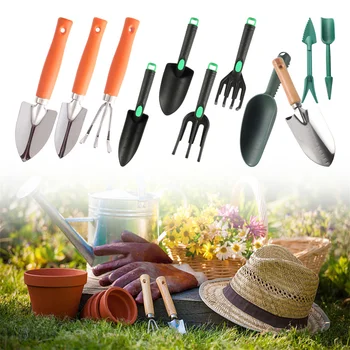
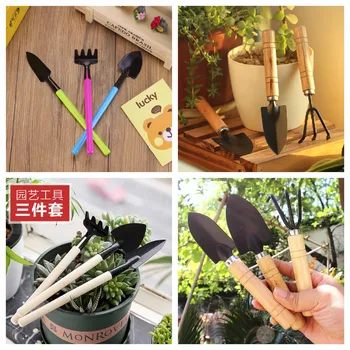
1. The All‑Purpose Hand Trowel
- What to look for: Stainless steel blade, ergonomic grip, and a sturdy, rust‑proof handle.
- Tip: Keep the blade clean after each use; a quick rinse and a light coat of vegetable oil prevents corrosion.
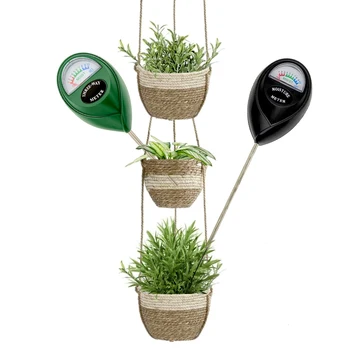
2. Soil Test Kit
- Why it matters: Knowing pH and nutrient levels lets you amend soil precisely, boosting plant health by up to 30%.
- Actionable advice: Test your garden in early spring, record the results, and adjust with lime or sulfur as needed.
3. Adjustable Pruning Shears
- Feature focus: A blade that can be set to 45° or 90° angles for clean cuts on both woody stems and soft foliage.
- Maintenance tip: Sharpen the blades monthly with a fine‑grit sharpening stone; dull shears spread disease.
4. Garden Kneeler & Seat Combo
- Benefit: Reduces strain on knees and back, allowing longer work sessions without fatigue.
- DIY upgrade: Add a removable fabric cover that can be washed and swapped for seasonal colors.
DIY Projects That Boost Productivity
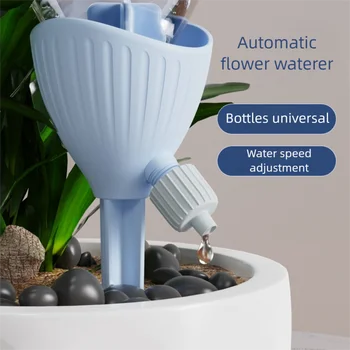
DIY Self‑Watering Planters
Using a 2‑liter soda bottle, cut the bottom off, fill the top with soil, and insert a wick made from cotton rope. The bottle acts as a reservoir, delivering water slowly and reducing watering frequency by up to 40%.

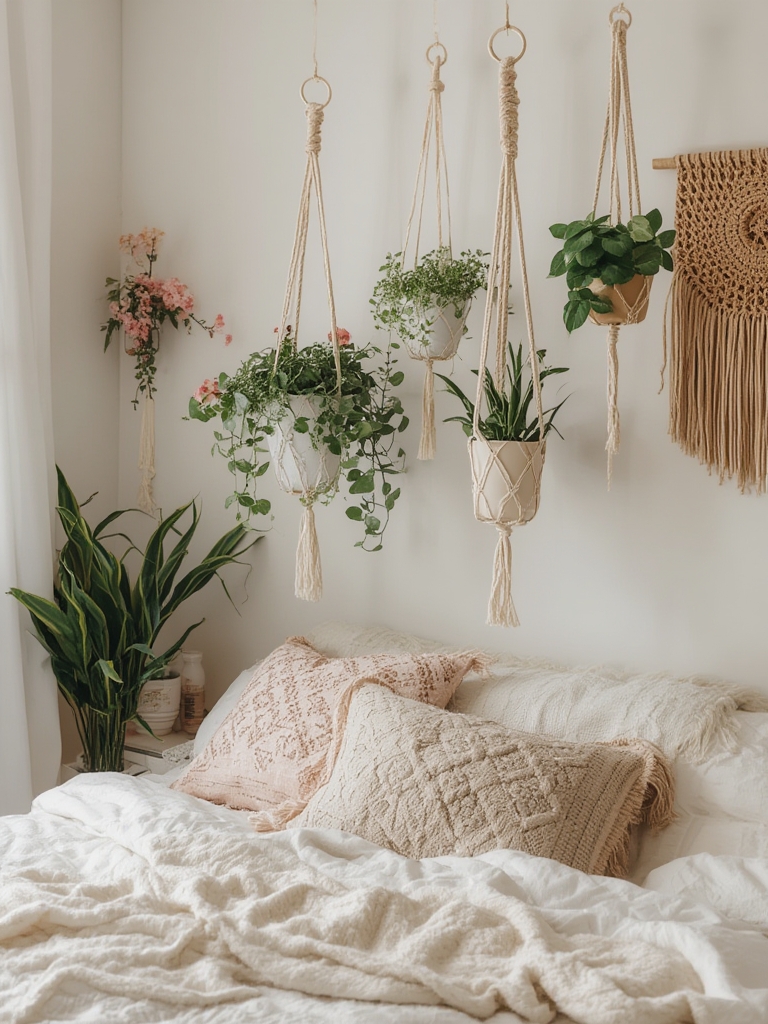
Vertical Herb Garden from Pallet
Secure a reclaimed wooden pallet against a sunny wall, drill drainage holes, line with landscape fabric, and fill with a lightweight potting mix. Plant basil, mint, and thyme in the slats. This project saves floor space and creates a decorative, aromatic backdrop.
Compost Bin with Aeration Pipes
Construct a 3‑gal plastic bin, drill 1‑inch holes on the sides, and insert PVC pipes (½‑inch) for airflow. Turn the compost weekly; the added aeration speeds decomposition by 20% and reduces odor.
Step‑by‑Step Guide: Growing Basil (Ocimum basilicum)
Step 1 – Soil Preparation
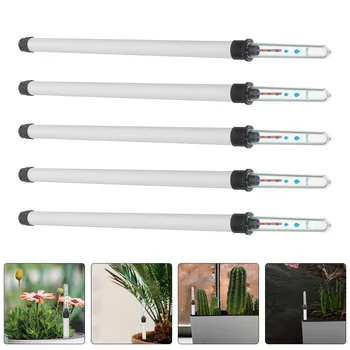
Data point: Basil thrives in soil with a pH of 6.0–7.0 and a texture that retains moisture but drains well. Use a 1:1 mix of garden soil and coconut coir.
- Loosen the soil to a depth of 12 cm.
- Incorporate 2 tbsp of organic compost per square foot.
- Test pH with your soil kit; adjust with lime (raise) or sulfur (lower) as needed.
Step 2 – Planting
Space seedlings 15 cm apart to ensure airflow.
- Plant seeds 0.5 cm deep; cover lightly.
- Water gently using a fine‑mist spray to avoid displacing seeds.
- Place a clear plastic dome for the first 7 days to maintain humidity.
Step 3 – Care & Maintenance
- Watering: Keep soil consistently moist but not soggy; a drip line or self‑watering planter is ideal.
- Feeding: Apply a balanced liquid fertilizer (10‑10‑10) every 3 weeks.
- Pruning: Pinch off the top 2 cm once the plant reaches 15 cm to encourage bushier growth.
- Pest control: Spot‑treat aphids with neem oil; a 1 % solution applied weekly keeps infestations below 5 %.
Step 4 – Harvest
Begin harvesting when leaves are 5–7 cm long. Cut just above a leaf node to stimulate new growth. Regular harvesting can increase leaf production by up to 25 %.

Beginner‑Friendly Flower Arranging Tips for Stunning Bouquets
Choose the Right Flowers
For a beginner bouquet, combine a focal flower (e.g., roses or peonies) with filler blooms (e.g., baby’s breath, alstroemeria) and greenery (e.g., eucalyptus). A balanced ratio is 3:2:1 (focal:filler:green).
Prep the Stems
- Trim stems at a 45° angle, 2 cm from the base, using sharp pruning shears.
- Remove any lower leaves that would sit below the water line to prevent bacterial growth.
- Place stems in a bucket of lukewarm water with a teaspoon of sugar and a few drops of bleach (the “floral food” trick) for 30 minutes.
Build the Bouquet
- Start with greenery: Form a loose “cage” to support later flowers.
- Add focal blooms: Place them evenly around the cage, rotating the bouquet as you work.
- Insert filler flowers: Fill gaps and add texture.
- Final touch: Tuck in extra sprigs of greenery for a polished look.
Secure and Display
- Wrap the stems with floral tape, then cover with a decorative ribbon.
- Place the bouquet in a clean vase filled with fresh water and a packet of commercial floral preservative.
- Change the water every 2 days and recut stems to extend vase life up to 10 days.
Quick SEO Checklist for Your Gardening Blog Post
- Keyword focus: “gardening tools,” “DIY garden projects,” “how to grow basil,” “beginner flower arranging.” Use each phrase naturally in headings and the first 150 words.
- Meta description: Craft a 150‑character summary that includes “gardening tools” and “DIY projects” to improve click‑through rates.
- Image alt text: Label photos with descriptive tags like “self‑watering planter made from soda bottle” and “basil plant pruning tips.”
- Internal linking: Connect to related posts such as “Top 5 Composting Hacks” or “Seasonal Herb Garden Planning.”
- Schema markup: Add
ArticleandFAQPageschema to help search engines understand the content structure.
By combining the right tools, smart DIY upgrades, a data‑backed planting routine, and eye‑catching bouquet techniques, you’ll not only boost your garden’s productivity but also create share‑worthy content that ranks well and delights readers. Happy gardening—and happy arranging! 🌱💐