Creating a garden that thrives while protecting the planet is more achievable than ever. By combining proven sustainable practices with wildlife‑friendly planting, you can enjoy a vibrant, low‑maintenance space that feeds pollinators, conserves resources, and reduces your carbon footprint. Below is a data‑driven, step‑by‑step guide that walks you through planning, planting, and caring for a sustainable garden that attracts birds, bees, and butterflies with nectar‑rich blooms.
1. Assess Your Site and Set Realistic Goals
Gather Climate and Soil Data
Start by consulting local climate normals (e.g., USDA Plant Hardiness Zones or the Köppen system). In the U.S., 68 % of gardeners who match plants to their zone report higher survival rates. Use a soil test kit or send a sample to your extension service; aim for a pH between 6.0‑7.0 for most nectar‑rich perennials.
Define Success Metrics
Choose measurable outcomes such as:
- Reduce outdoor water use by 30 % within the first year.
- Increase pollinator visits by 50 % (track with a simple tally sheet).
- Achieve 20 % of garden volume from composted organic matter.
2. Design a Water‑Smart Layout
Map Sun, Shade, and Wind Patterns
Use a sun‑tracking app for a week to log hours of direct sunlight per zone. Position water‑loving nectar plants (e.g., Lobelia) in the sunniest spots, while drought‑tolerant species (e.g., Echinacea) can handle partial shade.
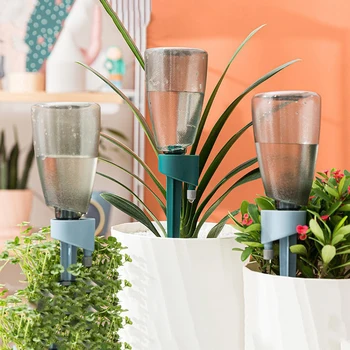
Install Efficient Irrigation
Drip lines and soaker hoses cut water loss by up to 45 % compared with sprinklers. Pair them with a timer set to early‑morning watering (5–7 am) to minimize evaporation. Add a rain sensor to pause irrigation during storms.
3. Build Healthy Soil with Compost and Mulch
Start a Compost Bin
Composting reduces landfill waste by an average of 30 % per household. Aim for a 1:1 ratio of green (kitchen scraps) to brown (dry leaves) materials. Turn the pile every 2 weeks to maintain aerobic conditions and speed up decomposition (target temperature 55‑65 °C).
Apply Organic Mulch
Spread a 5‑cm layer of shredded bark or straw around plant bases. Mulch retains up to 70 % more soil moisture and suppresses weeds, cutting weeding time by roughly 25 %.
4. Choose Native, Nectar‑Rich Plants
Why Native Matters
Native species co‑evolved with local pollinators; studies show they attract 2‑3× more bees than non‑native alternatives. Select plants that bloom at staggered intervals to provide continuous nectar from spring through fall.
Plant List with Actionable Tips
- Bee Balm (Monarda didyma) – Plant in groups of 3‑5 for a stronger visual impact; water weekly until established.
- Butterfly Weed (Eupatorium perfoliatum) – Divide clumps every 3 years to prevent overcrowding and boost vigor.
- Lavender (Lavandula angustifolia) – Prune after flowering to encourage a second bloom and maintain a tidy shape.
- Salvia (Salvia nemorosa) – Space 30 cm apart; deadhead spent spikes to extend bloom time.
- Goldenrod (Solidago) – Plant on the garden’s edge to act as a windbreak and provide late‑season nectar.
5. Implement Integrated Pest Management (IPM)
Monitor and Identify Pests
Use sticky traps and weekly visual checks. Record pest type, count, and damage level in a simple spreadsheet; action is triggered only when thresholds (e.g., >5 % leaf area loss) are exceeded.
Deploy Biological Controls
Introduce beneficial insects such as lady beetles and lacewings by planting Fagopyrum esculentum (buckwheat) as a trap crop. Avoid broad‑spectrum pesticides, which can reduce pollinator visits by up to 40 %.
6. Provide Habitat Features for Wildlife
Install Bee Hotels and Insect Hotels
Construct a bee hotel using untreated wood blocks, bamboo tubes (15‑20 mm diameter), and hollow reeds. Position it 1‑1.5 m off the ground, facing southeast to catch morning sun.
Create Water Sources
Place a shallow birdbath with stones for perching. Refresh water weekly to prevent mosquito breeding. A small, solar‑powered fountain adds movement, attracting hummingbirds.
7. Maintain and Track Progress
Seasonal Checklist
- Early Spring – Test soil pH, add compost, plant early‑bloomers.
- Mid‑Summer – Mulch replenishment, deadhead spent flowers, check irrigation.
- Fall – Plant cover crops (e.g., clover) to prevent erosion, clean bee hotels.
- Winter – Prune dormant woody perennials, inspect garden structures.
Measure Success
At the end of each growing season, compare your baseline metrics:
- Water usage (gallons per square foot).
- Number of pollinator visits (average per hour).
- Compost volume added (cubic feet).
Adjust future plant selections and watering schedules based on these data points to continuously improve sustainability.
8. Share Your Garden’s Story
Document with Photos and Data
Take weekly photos and note bloom dates, wildlife sightings, and soil moisture readings. Use a free tool like Google Sheets to create simple charts—visual proof of progress encourages community engagement.
Engage the Community
Host a “Pollinator Picnic” or a virtual garden tour. Sharing actionable tips (e.g., “use a 5‑cm mulch layer”) helps neighbors adopt sustainable practices, amplifying the ecological impact beyond your own plot.
By following these data‑backed steps, you’ll cultivate a garden that not only looks beautiful but also serves as a thriving ecosystem for pollinators and other wildlife. Sustainable gardening is a continuous learning process—track, adapt, and celebrate each small victory, and watch your garden become a resilient haven for both plants and the creatures that depend on them.