

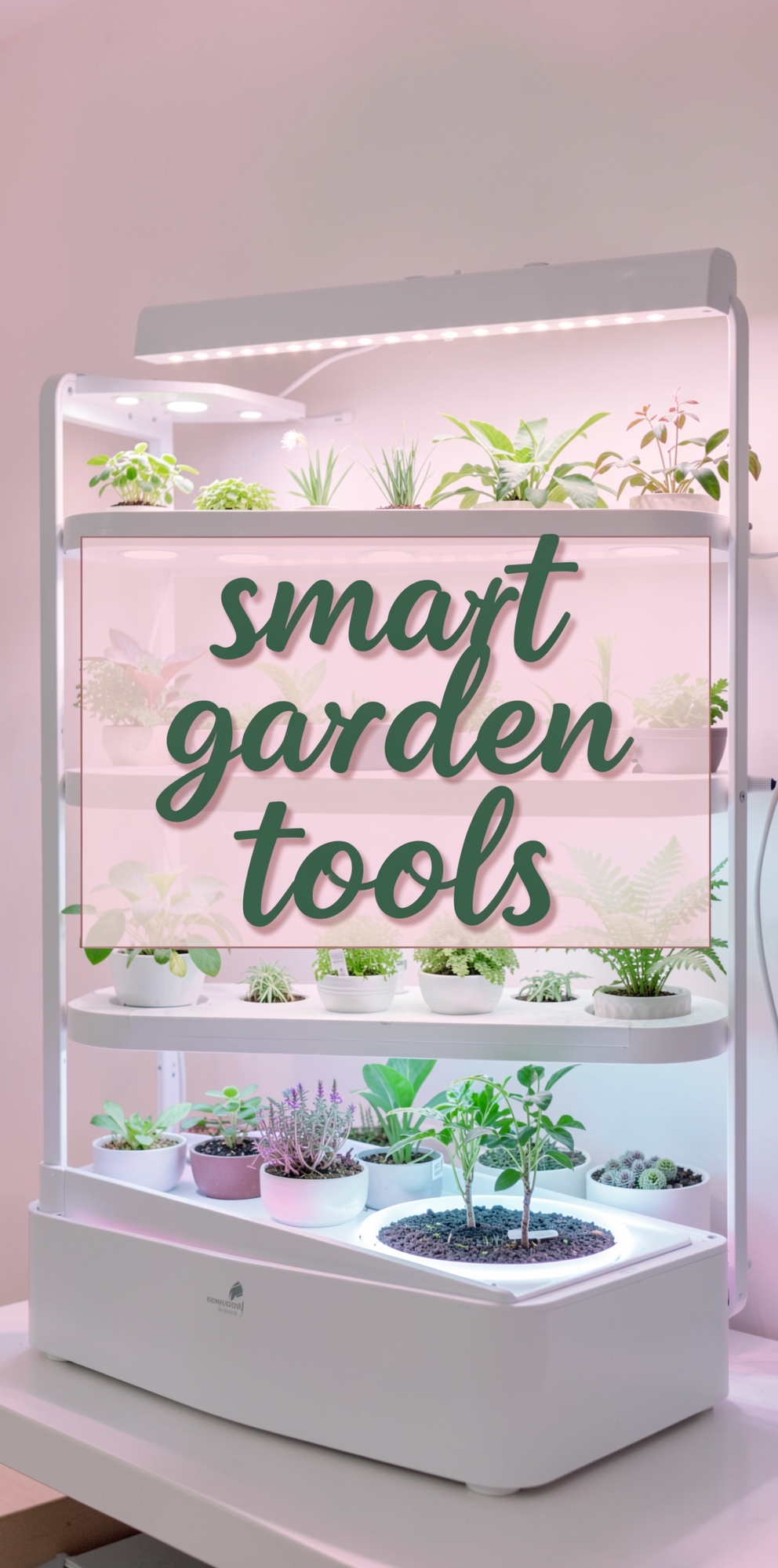
Welcome to the world of smart gardening! If you’re just starting out, the idea of using technology to keep your plants thriving can feel a bit overwhelming. The good news is that modern garden sensors are designed to be user‑friendly, affordable, and incredibly effective. In this guide, we’ll walk you through the Best Smart Garden Sensors for Healthy Plants, explain how they work, and share practical tips to help you get the most out of your green space.
Why Smart Garden Sensors Matter
Traditional gardening relies on intuition and experience, which can be a steep learning curve for beginners. Smart garden sensors take the guesswork out of the equation by providing real‑time data on crucial factors such as soil moisture, temperature, light intensity, and nutrient levels. With this information at your fingertips, you can make informed decisions that keep your plants healthy, reduce water waste, and boost yields.
Key Features to Look For
1. Soil Moisture Monitoring
Accurate soil moisture readings prevent both under‑watering and over‑watering. Look for sensors that offer:
- Calibrated readings for a range of soil types (sand, loam, clay).
- Wireless connectivity (Wi‑Fi, Bluetooth, or Zigbee) so data appears instantly on your phone.
- Alert notifications that warn you when moisture falls below or rises above optimal levels.
2. Temperature & Humidity Tracking
Temperature and humidity directly affect plant metabolism. The best sensors will:
- Provide separate indoor and outdoor readings.
- Include a built‑in hygrometer for precise humidity percentages.
- Integrate with weather APIs for predictive insights (e.g., upcoming heatwaves).
3. Light Intensity (PAR) Measurement
Photosynthetically Active Radiation (PAR) tells you how much usable light your plants receive. A good light sensor should:
- Measure in µmol·m⁻²·s⁻¹ for accurate photosynthesis data.
- Offer recommendations on supplemental lighting if natural light is insufficient.
4. Nutrient (EC) Sensing
Electrical Conductivity (EC) indicates the concentration of dissolved salts in the soil, which correlates with nutrient availability. Ideal sensors will:
- Give real‑time EC values and suggest adjustments to fertilizer regimes.
- Support calibration for different growing media (soil, coco, hydroponic solutions).
Top Picks for the Best Smart Garden Sensors for Healthy Plants
1. PlantLink Soil Moisture Sensor
Why it stands out: This compact sensor plugs directly into a standard garden stake and syncs with a free mobile app via Bluetooth. It offers precise moisture readings, customizable alert thresholds, and a battery life of up to 12 months.
Best for: Small to medium garden beds and container gardens.
2. Ecowitt Weather & Soil Station
Why it stands out: Combining a weather station with multiple soil probes, the Ecowitt system tracks temperature, humidity, rainfall, wind, and soil moisture all in one package. Data is uploaded to a cloud dashboard accessible from any device.
Best for: Gardeners who want a holistic view of both environmental and soil conditions.
3. Parrot Flower Power 2
Why it stands out: Designed specifically for potted plants, this sensor measures moisture, temperature, light, and fertilizer levels. Its sleek design blends into indoor décor, and the app provides plant‑specific care tips.
Best for: Indoor herb gardens and apartment balcony planters.
4. Blossom 7‑in‑1 Smart Sensor
Why it stands out: This all‑in‑one device offers moisture, temperature, light, EC, pH, and even a built‑in camera for visual monitoring. The data integrates with popular smart home platforms like Alexa and Google Home.
Best for: Tech‑savvy gardeners who want a single hub for multiple metrics.
5. Netatmo Smart Outdoor Weather Station
Why it stands out: While primarily a weather station, Netatmo includes a soil sensor that tracks moisture and temperature. Its sleek design and easy installation make it a favorite for those who value aesthetics as much as functionality.
Best for: Gardeners who also want accurate local weather data for planning.
How to Set Up Your Smart Garden Sensors
Step 1: Choose the Right Placement
Place moisture sensors at root depth (typically 2–4 inches for most vegetables). Light sensors should be positioned at canopy level to capture the light actually reaching the leaves. Avoid direct exposure to rain or strong wind, which can skew readings.
Step 2: Calibrate for Your Soil Type
Most sensors come with a calibration mode. Use a soil sample from your garden, measure its moisture with a manual probe, and input the value into the app. This step ensures the sensor’s baseline matches your specific soil composition.
Step 3: Connect to Your Network
Follow the manufacturer’s instructions to link the sensor to Wi‑Fi or Bluetooth. For larger gardens, consider a Zigbee hub to maintain stable connections across longer distances.
Step 4: Set Alert Thresholds
Determine optimal moisture ranges for each plant (e.g., 40‑60% for tomatoes). Input these ranges into the app so you receive push notifications when conditions fall outside the safe zone.
Step 5: Review Data Regularly
Spend a few minutes each day checking the dashboard. Look for trends—if moisture consistently drops after a certain time of day, you may need to adjust watering schedules or add mulch.
Practical Tips for Using Sensor Data
- Water in the Morning: Early watering reduces evaporation and allows plants to absorb water before the heat of the day.
- Use Mulch: Adding a layer of organic mulch helps retain soil moisture, often reducing the number of alerts for low moisture.
- Combine Sensors with Manual Checks: While data is reliable, a quick visual inspection (wilting leaves, soil texture) adds context and prevents over‑reliance on numbers.
- Adjust Fertilizer Based on EC: If EC readings are consistently low, increase fertilizer dosage slightly; if too high, dilute the solution to avoid root burn.
- Seasonal Calibration: Re‑calibrate sensors at the start of each growing season to account for changes in temperature and soil composition.
Common Mistakes to Avoid
1. Ignoring Sensor Placement
Placing a moisture sensor too close to a water source (like a drip line) can give falsely high readings, leading you to under‑water the rest of the garden.
2. Over‑Adjusting Based on One Data Point
Reacting to a single low‑moisture alert without considering recent rainfall or humidity can cause unnecessary watering. Look for patterns over several days.
3. Forgetting to Update Firmware
Manufacturers often release firmware updates that improve accuracy and add new features. Skipping updates can leave you with outdated data.
4. Relying Solely on Sensors for Pest Management
While sensors can indicate stress, they won’t detect pests directly. Combine sensor data with regular plant inspections for a comprehensive health check.
5. Using the Same Threshold for All Plants
Different species have unique moisture and temperature needs. Set individualized thresholds to avoid over‑watering tomatoes while under‑watering herbs.
Conclusion
Integrating the Best Smart Garden Sensors for Healthy Plants into your gardening routine can transform the way you care for your green space. By providing real‑time insights into soil moisture, temperature, light, and nutrients, these devices empower beginner gardeners to make data‑driven decisions that lead to thriving, resilient plants. Remember to place sensors thoughtfully, calibrate for your specific soil, and use the data as a guide rather than an absolute rule. With a little practice, you’ll find that technology and nature work hand‑in‑hand, making gardening both easier and more rewarding.