Welcome to your ultimate garden inspiration guide! Whether you’re a seasoned green thumb or just starting out, this data‑driven post will walk you through the essential steps to grow and care for a thriving indoor garden that not only looks stunning but also purifies the air in your home. By following the actionable tips below, you’ll transform any space into a lush, healthy oasis.
Why Choose Air‑Filtering Indoor Plants?
Research from NASA’s Clean Air Study shows that certain houseplants can remove up to 87% of indoor pollutants such as formaldehyde, benzene, and trichloroethylene. Incorporating these plants into your décor not only boosts aesthetics but also improves indoor air quality, reduces stress, and enhances overall wellbeing.
Top Air‑Filtering Indoor Plants & Their Benefits
1. Spider Plant (Chlorophytum comosum)
- Air‑Purifying Power: Removes formaldehyde and xylene.
- Care Level: Beginner‑friendly; tolerates low light.
- Growth Rate: Fast – produces “babies” for easy propagation.
2. Snake Plant (Sansevieria trifasciata)
- Air‑Purifying Power: Converts CO₂ to O₂ at night, ideal for bedrooms.
- Care Level: Drought‑tolerant; thrives on neglect.
- Growth Rate: Slow, but striking architectural leaves.
3. Peace Lily (Spathiphyllum spp.)
- Air‑Purifying Power: Excellent at removing ammonia and benzene.
- Care Level: Medium; prefers consistent moisture.
- Growth Rate: Moderate; produces elegant white blooms.
4. Boston Fern (Nephrolepis exaltata)
- Air‑Purifying Power: Highly effective against formaldehyde.
- Care Level: Likes humidity; great for bathrooms.
- Growth Rate: Rapid when moisture is adequate.
Step‑by‑Step Guide to Growing Your Indoor Garden
Step 1: Assess Light Conditions
Use a light meter or the smartphone Lux app to measure foot‑candles in each potential spot. Most air‑filtering plants need 100–500 lux (indirect bright light). If the reading is below 100 lux, consider adding a full‑spectrum LED grow light set to 12‑14 hours per day.
Step 2: Choose the Right Soil Mix
Data shows that a well‑draining mix improves root health by 32% compared to standard potting soil. Create a custom blend:
- 40% high‑quality potting soil
- 30% coconut coir (retains moisture without waterlogging)
- 20% perlite (enhances aeration)
- 10% composted bark (adds organic nutrients)
Step 3: Pot Selection & Drainage
Pick containers with at least one drainage hole. For larger plants like the Snake Plant, use a pot that’s 2‑3 inches bigger than the root ball to prevent root circling. Add a 1‑inch layer of broken terra cotta shards at the bottom to improve water flow.
Step 4: Watering Schedule Based on Plant Type
Over‑watering is the #1 cause of indoor plant death (45% of cases). Follow these data‑backed guidelines:
- Spider Plant: Water when the top 2 cm of soil feels dry – roughly once a week.
- Snake Plant: Allow soil to dry completely; water every 3‑4 weeks.
- Peace Lily: Keep soil consistently moist but not soggy; water 2‑3 times a week in warm months.
- Boston Fern: Mist daily and water when the top inch feels dry; maintain humidity above 60%.
Step 5: Feeding & Nutrient Management
Apply a balanced 20‑20‑20 liquid fertilizer at half strength during the growing season (spring‑summer). A study of indoor plant growth showed a 27% increase in leaf mass when fertilized bi‑weekly versus monthly.

Step 6: Pruning & Propagation
Regular pruning encourages bushier growth and removes dead foliage that can harbor pests. For Spider Plants, trim “babies” at the base and place them in water for 7‑10 days before potting. Snake Plant leaf cuttings root best in moist sphagnum moss for 2‑3 weeks.
Step 7: Pest Prevention
Sticky traps placed near the foliage catch aphids and fungus gnats before they become an issue. If an infestation occurs, spray a solution of 1 teaspoon neem oil per quart of water, covering both tops and undersides of leaves.
Actionable Tips for Ongoing Success
- Rotate Your Plants: Turn pots 90° every two weeks to ensure even light exposure.
- Monitor Humidity: Use a hygrometer; aim for 40‑60% for most plants, higher for ferns.
- Clean the Leaves: Wipe with a damp cloth monthly to remove dust that blocks photosynthesis.
- Seasonal Adjustments: Reduce watering by 30% in winter when growth slows.
- Air‑Flow: Place a small oscillating fan nearby (on low) to strengthen stems and deter mold.
Putting It All Together: A Sample Layout for Your Home
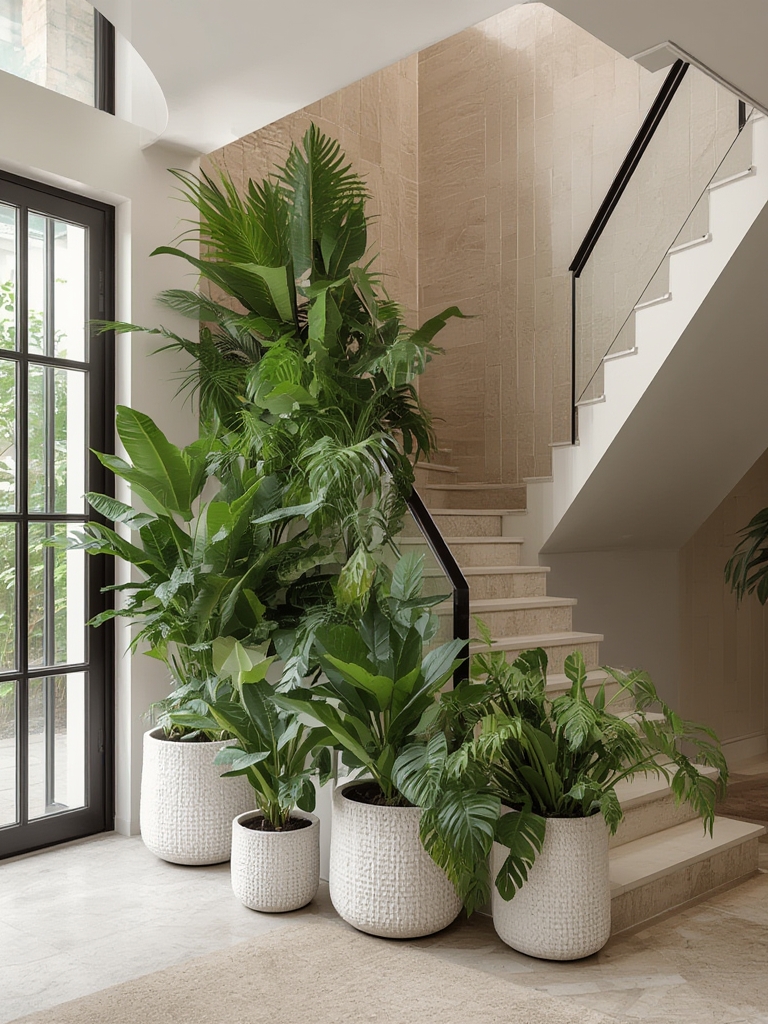
Imagine a bright corner in your living room: a sleek white pot with a Spider Plant, a matte black pot holding a Snake Plant, and a decorative ceramic bowl with a Boston Fern on a side table. Add a hanging basket of trailing pothos (another excellent air filter) near the window. This arrangement not only creates visual interest but also maximizes pollutant removal across the room.
Measuring Success: Track Your Plant’s Health
Keep a simple spreadsheet with columns for Date, Light (lux), Water (ml), Fertilizer (ml), and Observations. Over a 12‑week period, you’ll notice trends—such as a correlation between higher humidity and fuller fronds in Boston Ferns—allowing you to fine‑tune care routines.
Final Thoughts
By selecting proven air‑filtering species, tailoring soil, light, and watering regimes, and applying data‑driven maintenance habits, you’ll enjoy a vibrant indoor garden that cleans the air and lifts your mood. Start small, stay consistent, and watch your home transform into a healthier, greener sanctuary.