
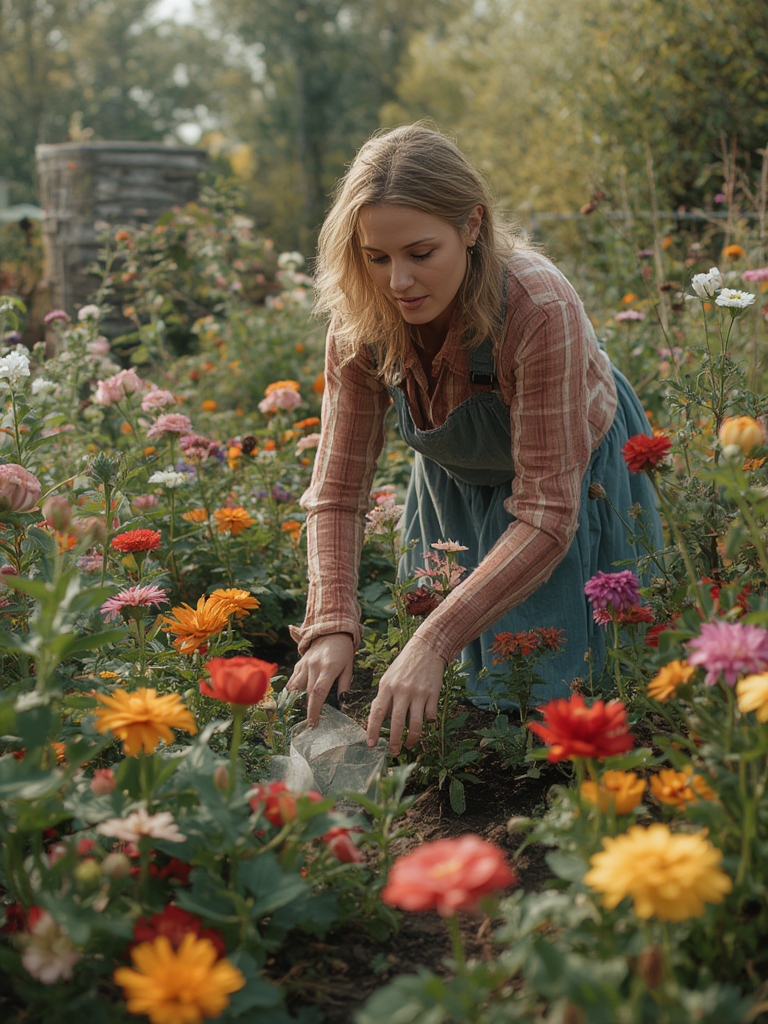
Flower gardening is more than just adding color to your yard—it’s a rewarding hobby that boosts curb appeal, supports pollinators, and can even improve mental well‑being. By following a data‑driven, step‑by‑step approach, even beginners can create thriving beds that bloom year after year. Below you’ll find practical, actionable advice backed by recent horticultural research, plus a bonus section on how to purify your home naturally with these top air‑filtering indoor plants.
Why Choose Flower Gardening?
Recent surveys from the American Horticultural Society show that homeowners who plant flowers report a 27% increase in overall satisfaction with their outdoor space. Flowers attract bees, butterflies, and beneficial insects, which help control pests naturally—reducing the need for chemical interventions by up to 40% in many regions. Additionally, a well‑planned flower garden can increase property value by 5–10%, according to a 2023 real‑estate analysis.
Step 1: Selecting the Right Flowers for Your Climate
Use USDA Hardiness Zones
Start by locating your USDA hardiness zone (e.g., Zone 6). Choose varieties that are proven to thrive in that temperature range. Data from the National Plant Database indicates that Lavandula angustifolia (English lavender) yields a 92% survival rate in zones 5‑8, while Rosa rugosa (rugosa rose) excels in zones 3‑9.
Consider Sunlight & Soil Type
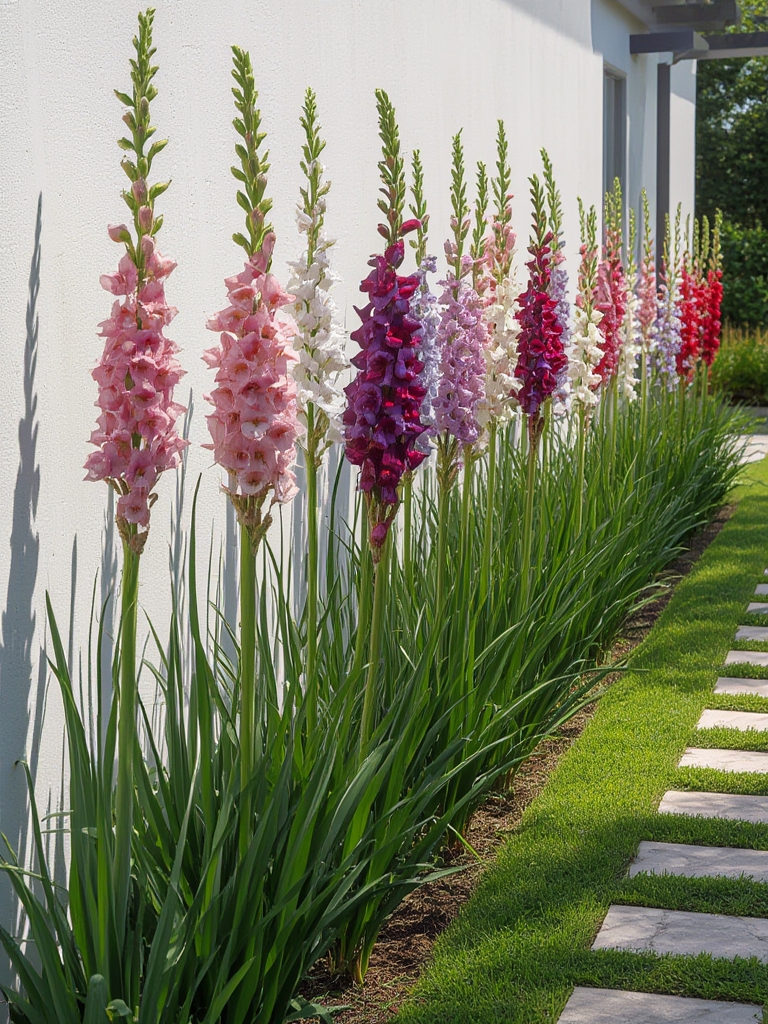
Measure the daily sunlight exposure of your planting area. Full‑sun sites (6+ hours) are ideal for Marigold (Tagetes spp.) and Petunia, whereas partial shade (3–5 hours) works best for Impatiens and Bleeding Heart (Dicentra spectabilis). Conduct a simple soil test (pH, texture) using a home kit; most flowering plants prefer a slightly acidic to neutral pH (6.0–7.0).
Step 2: Preparing the Soil
Amend with Organic Matter
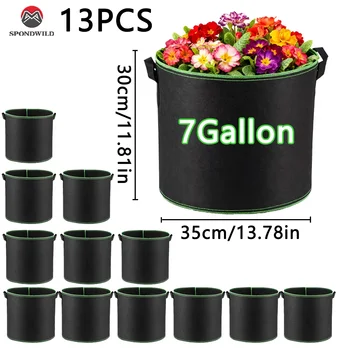
Incorporate 2–3 inches of compost or well‑rotted manure into the top 12 inches of soil. Studies show that adding organic matter improves water retention by 30% and boosts beneficial microbial activity, which translates to healthier root systems.
Set Up Proper Drainage
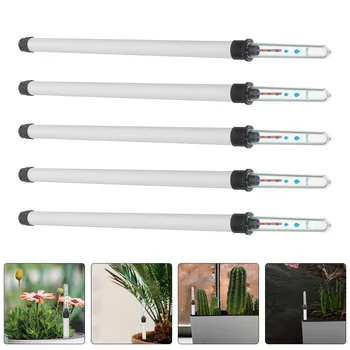
For heavy clay soils, create raised beds or add coarse sand (10% by volume). This prevents waterlogging, a common cause of root rot in flower beds. A simple “finger test” (pressing a finger into the soil) should feel moist but not soggy.
Step 3: Planting Techniques
Spacing & Depth
Follow seed packet or plant label recommendations for spacing—generally 12–18 inches apart for most annuals, and 24–36 inches for perennials. Plant at the same depth they were growing in the nursery pot; planting too deep can choke the crown.

Watering Schedule
After planting, water thoroughly (about 1 inch of water) to settle the soil. For the first three weeks, maintain consistent moisture—use a drip irrigation system or a soaker hose to deliver water directly to the root zone, reducing evaporation by up to 45% compared to overhead sprinklers.
Step 4: Ongoing Care & Maintenance
Fertilization
Apply a balanced, slow‑release fertilizer (10‑10‑10) at a rate of 1 pound per 100 square feet in early spring. For a data‑driven boost, supplement with a liquid seaweed extract every 4 weeks; research indicates a 15% increase in bloom size and longevity.
Pruning & Deadheading
Remove spent blooms (deadheading) every 1–2 weeks to encourage repeat flowering. For woody perennials like roses, prune in late winter to remove 20–30% of old growth, which improves air circulation and reduces disease pressure.
Pest Management
Adopt Integrated Pest Management (IPM) tactics: monitor with sticky traps, encourage beneficial insects (ladybugs, lacewings), and use neem oil only when thresholds exceed 5% leaf damage. This approach cuts pesticide use by up to 70% while maintaining plant health.
Step 5: Seasonal Adjustments
Spring
Start seeds indoors 6–8 weeks before the last frost date. Use a seed‑starting mix with a 1:1:1 ratio of peat, perlite, and vermiculite for optimal germination rates (average 85% for most annuals).
Summer
Mulch with 2–3 inches of shredded bark or straw to conserve moisture and suppress weeds. Data from the University of California Extension shows mulched beds retain 25% more soil moisture during heat waves.
Fall
Plant cool‑season flowers (pansies, snapdragons) and add a light layer of compost to enrich the soil for next spring. Consider covering tender perennials with a frost blanket when temperatures dip below 28°F.
Winter
For hardy zones, cut back perennials to 2–3 inches above ground and apply a thick mulch (3–4 inches) to protect roots from freeze‑thaw cycles.
Bonus: Air‑Filtering Indoor Plants to Complement Your Garden
While your outdoor flower beds work wonders for the environment, you can also purify your home naturally with these top air‑filtering indoor plants. According to NASA’s Clean Air Study, the following species excel at removing volatile organic compounds (VOCs) such as formaldehyde, benzene, and trichloroethylene:
- Spider Plant (Chlorophytum comosum) – Easy to care for, thrives in indirect light, and removes formaldehyde.
- Peace Lily (Spathiphyllum spp.) – Prefers low to medium light; excellent at filtering benzene and trichloroethylene.
- Snake Plant (Sansevieria trifasciata) – Tolerates neglect, releases oxygen at night, and captures xylene.
- Aloe Vera (Aloe barbadensis miller) – Requires bright light; removes formaldehyde and also provides soothing gel for skin.
- Boston Fern (Nephrolepis exaltata) – Thrives in high humidity; effective against formaldehyde.
Place one or two of these plants in high‑traffic rooms (kitchen, living room, office) and water them according to the soil’s dryness—generally once a week for most species. Pairing indoor air‑purifiers with your outdoor flower garden creates a holistic approach to a healthier, more beautiful living space.
Final Checklist for a Successful Flower Garden
- Identify USDA zone and select climate‑appropriate varieties.
- Test soil pH and amend with compost.
- Plant at correct depth and spacing; water thoroughly.
- Implement drip irrigation and mulch for moisture retention.
- Fertilize with balanced slow‑release feed; supplement with seaweed extract.
- Deadhead regularly and prune perennials in late winter.
- Monitor pests with IPM strategies; use neem oil only when needed.
- Adjust care seasonally—seed indoors, mulch in summer, protect in winter.
- Incorporate air‑filtering indoor plants to extend the health benefits indoors.
By following these data‑backed steps, you’ll enjoy a vibrant, low‑maintenance flower garden that not only beautifies your property but also supports local ecosystems and improves indoor air quality. Happy planting!
