

Welcome to your step‑by‑step guide to flower gardening with culinary herbs that turn everyday meals into gourmet experiences. By combining data‑backed planting schedules, soil science, and proven maintenance tricks, you’ll create a vibrant, productive garden that supplies fresh flavor year‑round.
1. Choose the Right Herbs for Both Flowers and Flavor
Data from the USDA Plant Hardiness Zone map shows that basil, cilantro, chives, and thyme thrive in zones 4‑10 when grown as annuals, while lavender, rosemary, and sage perform best as perennials in zones 5‑9. Selecting varieties that produce attractive blooms (e.g., Ocimum basilicum ‘Purple Ruffles’ or Thymus ‘Silver Queen’) gives you dual benefits: visual appeal and culinary utility.
Actionable tip
- Check your local zone on USDA’s site and match herbs to the recommended zone for optimal growth.
- Buy certified seed or plug plants from reputable nurseries to ensure disease‑free stock.
2. Prepare Soil with Data‑Driven Amendments
Soil tests from the University of California’s Integrated Pest Management program reveal that most culinary herbs prefer a pH of 6.0‑7.0 and a loamy texture with good drainage. Use a simple DIY test kit or send a sample to your county extension office.
Steps to condition the soil
- Test pH: If below 6.0, add garden lime; if above 7.0, incorporate elemental sulfur.
- Improve texture: Mix in 2‑3 inches of compost and 1‑2 inches of coarse sand or perlite for better aeration.
- Boost nutrients: Sprinkle a balanced organic fertilizer (10‑10‑10) at 1 lb per 100 sq ft, following label instructions.
Quick tip
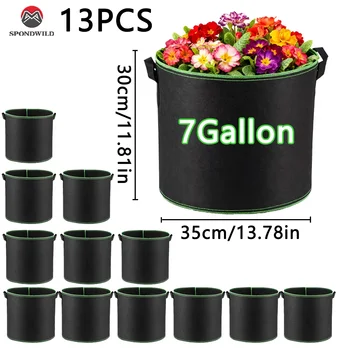
For container growers, use a high‑quality potting mix with a 2:1:1 ratio of peat moss, perlite, and compost. This mimics the ideal loam without the need for extensive amendments.
3. Planting Timing and Spacing for Maximum Yield
Research from the Royal Horticultural Society indicates that planting herbs 2‑3 weeks after the last frost date maximizes germination and reduces transplant shock. Use the following spacing chart (center‑to‑center) to ensure airflow and reduce disease pressure:
| Herb | Spacing | Sunlight |
|---|---|---|
| Basil | 12‑18 in | Full sun (6‑8 h) |
| Cilantro | 8‑10 in | Partial shade |
| Rosemary | 24‑30 in | Full sun |
| Lavender | 18‑24 in | Full sun |
Actionable planting guide
- Mark rows with a garden hose or string to keep spacing consistent.
- Plant seeds ¼ in deep; transplants should be set at the same depth as their original containers.
- Water gently but thoroughly to settle soil around roots.
4. Watering Strategies Backed by Science
Studies from the University of Florida show that most herbs suffer from “water‑stress” when soil moisture drops below 50 % of field capacity. Over‑watering, however, leads to root rot, especially for rosemary and lavender.
Smart watering routine
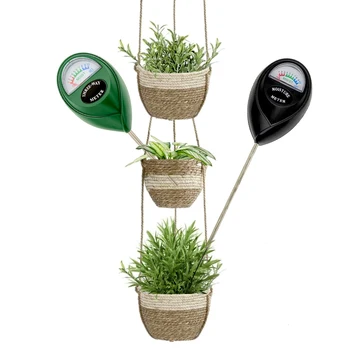
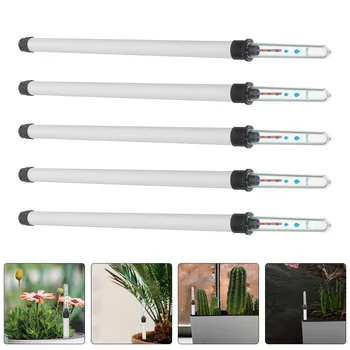
- Install a soil moisture meter; aim for a reading of 40‑60 % for most herbs.
- Water early in the morning to reduce evaporation and fungal risk.
- Use a drip‑irrigation system with emitters delivering 0.5 gal per hour per plant, adjusting for rain.
Quick tip
Mulch with 1‑2 in of shredded bark or straw. Mulch conserves moisture, suppresses weeds, and keeps soil temperature stable—critical for consistent herb growth.

5. Feeding, Pruning, and Harvesting for Continuous Blooms
Data from the Cornell Small Fruit Program suggests that regular light feeding (every 4‑6 weeks) with a liquid sea‑weed fertilizer improves both leaf vigor and flower production. Pruning encourages bushier growth and more harvestable stems.
Feeding schedule
- Weeks 2‑4 after planting: Apply a balanced liquid fertilizer at half strength.
- Every 4 weeks thereafter: Switch to a high‑potassium formula (5‑10‑15) to boost flowering.
Pruning steps
- Pinch back the top 1‑2 in of basil once it reaches 6 in tall to prevent bolting.
- Harvest rosemary stems just above a leaf node; this stimulates new growth.
- Remove spent lavender flower spikes to redirect energy to fresh buds.
Harvesting best practices
Harvest leaves in the morning after dew has dried but before the sun intensifies. This preserves essential oils, delivering the most flavor for cooking. For flowers, cut just before they fully open; they’ll continue to open in the vase, providing both visual appeal and aromatic garnish.
6. Pest and Disease Management Using Integrated Approaches
According to the Integrated Pest Management (IPM) guidelines from the University of California, the most common culprits in herb gardens are aphids, spider mites, and fungal leaf spots. A data‑driven approach combines monitoring, cultural controls, and targeted organic sprays.
Monitoring checklist
- Inspect leaves weekly for sticky residue (aphids) or stippling (mites).
- Check the undersides of leaves for early signs of powdery mildew.
Organic control tactics
- Introduce beneficial insects such as ladybugs or predatory mites.
- Spray a neem oil solution (1 tsp per quart water) every 7‑10 days during an outbreak.
- Apply a copper‑based fungicide at the first sign of leaf spot, following label rates.
7. Extending the Season and Preserving Your Harvest
Research from the University of Minnesota shows that using cold frames or hoop houses can extend herb production by 6‑8 weeks in cooler climates. For long‑term storage, dry or freeze leaves within 24 hours of harvest to retain flavor.
Season‑extension tips
- Cover beds with a clear polycarbonate sheet when night temperatures dip below 40 °F.
- Move potted herbs indoors to a sunny windowsill once frost is forecast.
Preservation methods
- Drying: Hang small bunches upside‑down in a dark, well‑ventilated area for 1‑2 weeks; store in airtight jars.
- Freezing: Chop leaves, pack in ice‑cube trays with a splash of olive oil, then freeze for ready‑to‑use portions.
By following these data‑driven steps—selecting the right herbs, preparing optimal soil, timing planting, mastering water and nutrition, and employing smart pest control—you’ll cultivate a flower‑filled herb garden that not only beautifies your space but also elevates every dish you prepare. Happy gardening and bon appétit!
