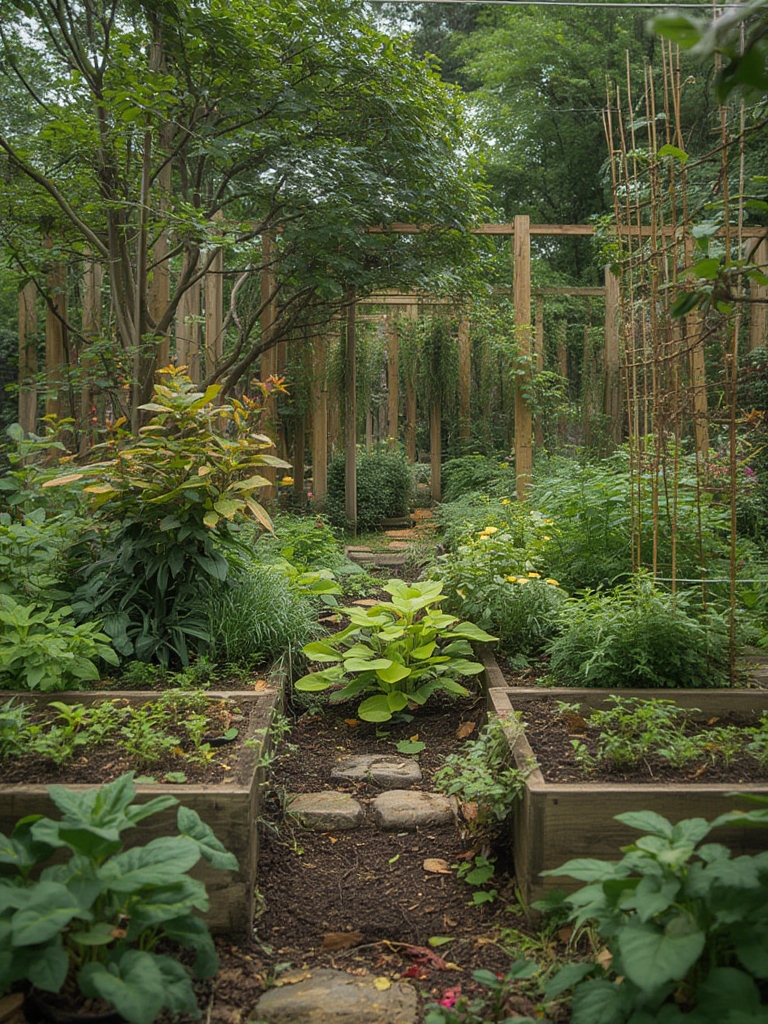

Creating a thriving, eco‑friendly lawn isn’t just a dream for green‑thumbed homeowners—it’s a practical, data‑backed approach to reducing water usage, cutting chemical runoff, and boosting biodiversity right in your backyard. Below you’ll find a step‑by‑step guide, packed with actionable tips, real‑world statistics, and simple tricks that make sustainable lawn care both effective and enjoyable.
1. Assess Your Soil and Climate
Why Soil Matters
According to the USDA Natural Resources Conservation Service, soil organic matter (SOM) levels above 3 % significantly improve water retention and nutrient availability. Start by testing your soil’s pH, texture, and SOM content.

- pH Check: Ideal range for most cool‑season grasses is 6.0–7.0. Use a home test kit or send a sample to a local extension service.
- Texture Test: Perform the “feel test” – if soil feels gritty, it’s sandy; if it sticks, it’s clay. Aim for loam (a balanced mix) for best results.
- Organic Matter: If SOM is below 2 %, plan to incorporate compost or well‑rotted manure.
Climate‑Specific Grass Selection
Match grass type to your USDA Hardiness Zone:
- Cool‑season grasses (e.g., Kentucky bluegrass, fescue) thrive in zones 3–7.
- Warm‑season grasses (e.g., Bermuda, Zoysia) excel in zones 8–11.
Choosing the right species reduces irrigation needs by up to 30 % and cuts fertilizer demand.
2. Prepare the Ground with Sustainable Practices
Remove Weeds Without Chemicals
Hand‑pulling or using a organic herbicide (vinegar‑based) prevents the 20 % of lawns that typically suffer from herbicide resistance.
Incorporate Organic Amendments
Spread a 1‑inch layer of compost across the lawn and work it into the top 4‑6 inches using a rototiller. Compost adds beneficial microbes, improves structure, and can replace up to 50 % of synthetic fertilizer.
Establish a Soil‑Health Baseline
After amending, re‑test the soil. Aim for a carbon‑to‑nitrogen (C:N) ratio of 10:1 to 20:1, which promotes healthy root development and reduces the need for supplemental nitrogen.

3. Seed or Sod the Lawn Responsibly
Timing Is Key
Cool‑season grasses should be seeded in early fall (Sept‑Oct) when soil temperatures are 55‑65 °F. Warm‑season grasses are best planted late spring (May‑June) after the last frost.
Seed Selection and Application
- Choose certified, disease‑free seed. Look for blends that include a mix of species for resilience.
- Seed rate: 5‑8 lb per 1,000 sq ft for cool‑season; 2‑4 lb for warm‑season.
- Method: Use a broadcast spreader for even coverage, then lightly rake to ensure seed‑to‑soil contact.
Watering Strategy for Germination
Maintain soil moisture at 70‑80 % of field capacity:
- Day 1‑7: Light misting 2‑3 times daily (0.1 in per session).
- Day 8‑21: Increase to 0.25 in per day, preferably in the early morning.
Using a rain sensor or smart irrigation controller can cut water waste by up to 40 %.
4. Adopt Eco‑Friendly Maintenance Routines
Mowing Practices
Follow the “one‑third rule”: never cut more than one‑third of the grass blade height at a time. For most lawns, this means a cutting height of 2.5‑3 in for cool‑season and 1.5‑2 in for warm‑season grasses.
- Sharp blades: Dull blades tear grass, increasing stress and disease susceptibility.
- Frequency: During peak growth, mow weekly; in slower periods, every 2‑3 weeks.
Water Conservation Techniques
Implement the following to reduce irrigation:
- Deep, infrequent watering: 1‑1.5 in every 7‑10 days encourages deeper root systems.
- Mulching mower: Returns up to 30 % of clippings as natural fertilizer.
- Rain barrels: Capture rooftop runoff; a 55‑gal barrel can supply a 500‑sq‑ft lawn for a full watering.
Natural Fertilization
Based on soil test results, apply the following organic options:
- Compost tea: Dilute 1 cup of brewed compost tea per 100 gal of water; apply every 4‑6 weeks.
- Alfalfa meal: 5‑10 lb per 1,000 sq ft in early spring for nitrogen boost.
- Bone meal: 2‑3 lb per 1,000 sq ft for phosphorus, especially after overseeding.
These methods release nutrients slowly, reducing leaching and runoff.
Integrated Pest Management (IPM)
Monitor for pests using sticky traps and visual inspections. If thresholds are exceeded (e.g., >5 % leaf damage), try these low‑impact controls first:
- Beneficial nematodes: Target soil‑dwelling larvae.
- Neem oil spray: Effective against aphids and caterpillars.
- Hand removal: Simple for localized infestations.
Resort to synthetic pesticides only as a last resort, and always follow label instructions.
5. Boost Biodiversity and Soil Health
Plant Native Groundcovers
Intermix clover (Trifolium repens) or low‑growth thyme in high‑traffic zones. These plants fix nitrogen, attract pollinators, and reduce the need for supplemental fertilizer.
Create Micro‑Habitats
Leave small patches of leaf litter or install a “bug hotel” to provide shelter for beneficial insects that naturally control pests.
Seasonal Aeration and Overseeding
Core aerate once a year (preferably early fall for cool‑season, late spring for warm‑season). Follow with overseeding at a rate of 2‑3 lb per 1,000 sq ft to fill thin spots and improve lawn density.
6. Track Progress with Data‑Driven Metrics
Key Performance Indicators (KPIs)
- Water usage: Aim for ≤ 0.5 gal per sq ft per week after establishment.
- Fertilizer input: Keep organic nitrogen applications ≤ 30 lb/acre/year.
- Soil organic matter: Target a 0.5 % increase annually.
- Weed density: Less than 5 % coverage indicates successful competition.
Simple Monitoring Tools
Use a smart soil sensor (e.g., moisture, temperature, EC) connected to a mobile app. Data logs help you fine‑tune irrigation schedules and detect nutrient deficiencies early.
7. Celebrate and Share Your Success
Document before‑and‑after photos, note water savings, and share your journey on social media with hashtags like #EcoLawn and #SustainableGardening. Community engagement not only spreads awareness but also encourages neighbors to adopt greener practices, amplifying the environmental impact.
By following these evidence‑based steps, you’ll achieve a lush, green lawn that thrives without relying on harmful chemicals or excessive water. The result is a beautiful outdoor space, healthier soil, and a smaller carbon footprint—proof that sustainable gardening is both attainable and rewarding.