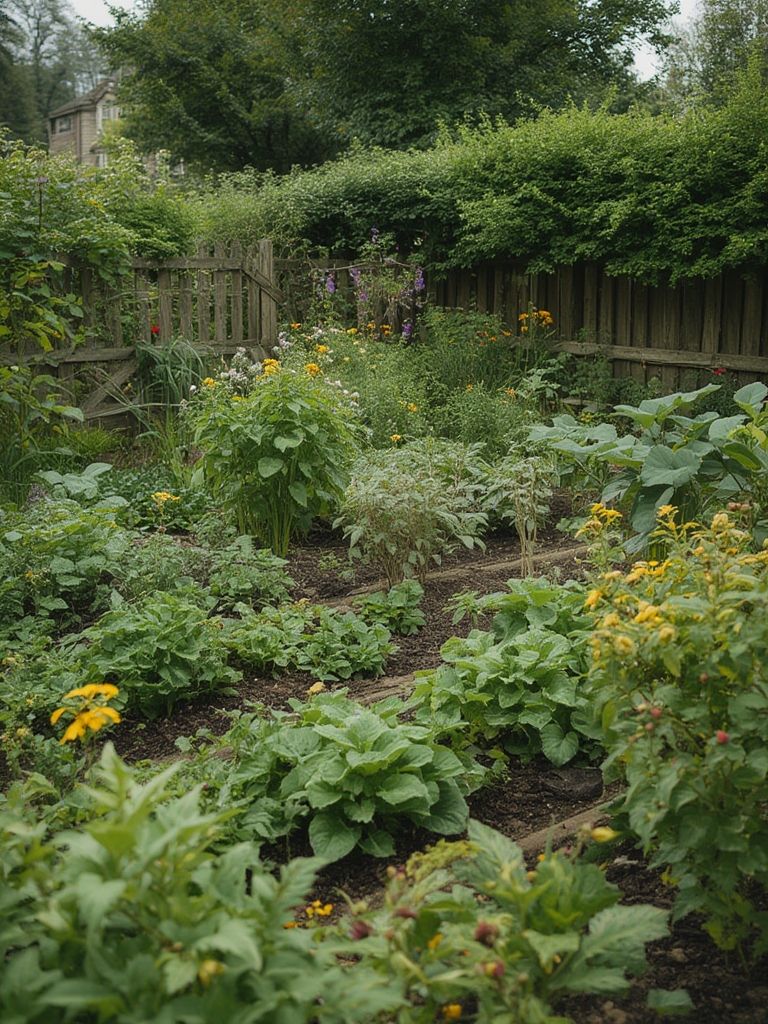
Welcome to your step‑by‑step guide on creating a sustainable garden that not only thrives with minimal resources but also becomes a buzzing haven for bees, butterflies, and other beneficial insects. By focusing on native wildflowers and low‑maintenance practices, you’ll boost biodiversity, improve soil health, and enjoy a vibrant, eco‑friendly landscape—all while keeping your water and chemical use to a minimum.
Why Choose Native Wildflowers for Sustainable Gardening?
Native wildflowers are the backbone of a resilient garden ecosystem. They are adapted to local climate conditions, require less fertilizer and irrigation, and provide the exact nectar and pollen sources that native pollinators need. Planting a mix of milkweed, coneflower, bee balm, and black-eyed Susan creates continuous bloom throughout the growing season, ensuring a steady food supply for bees, butterflies, and predatory insects that keep pests in check.
Step 1: Site Selection & Sunlight Assessment
Identify the optimal location
- Choose a spot that receives 6–8 hours of direct sunlight daily. Most pollinator‑friendly wildflowers need full sun to produce abundant blooms.
- Use a sunlight mapping tool or a simple 24‑hour observation to confirm light patterns.
- Ensure good air circulation to reduce fungal disease risk.
Practical tip
Mark the perimeter with biodegradable garden stakes and observe the area for a full day. If the spot is shaded for more than two hours in the afternoon, consider relocating the bed or mixing shade‑tolerant natives like Virginia bluebells.
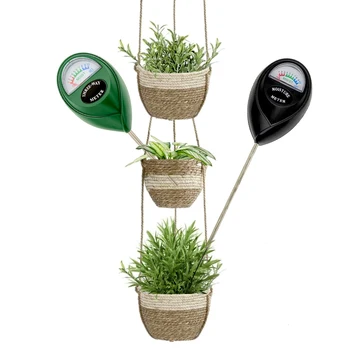
Step 2: Soil Testing & Preparation
Test your soil
Grab a basic soil test kit and check for pH (ideal 6.0–7.0) and nutrient levels. Native wildflowers thrive in slightly acidic to neutral soils with moderate organic matter.
Amend the soil organically
- Loosen the top 12 inches of soil using a garden fork or a broadfork.
- Add 2–3 inches of well‑composted organic matter (compost, leaf mold, or aged manure) to improve structure and water retention.
- Mix in a thin layer of coarse sand if the soil is heavy clay, enhancing drainage.
Actionable advice
After amending, water the bed lightly to settle the soil. Let it dry for 24–48 hours before planting to avoid root rot.
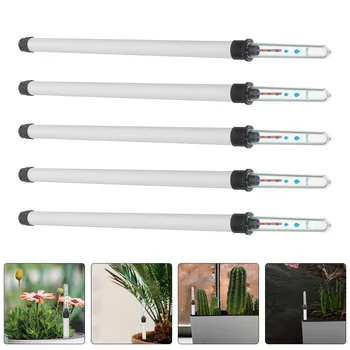
Step 3: Selecting the Right Seed Mix
Choose a pollinator‑focused blend
Look for seed packets labeled “Pollinator Mix” that contain a variety of bloom times. A balanced mix might include:
- Early season: Milkweed (Asclepias spp.) – essential for monarch butterflies.
- Mid‑season: Coneflower (Echinacea purpurea) – attracts bees and beneficial wasps.
- Late season: Black-eyed Susan (Rudbeckia hirta) – provides nectar into fall.
Seed sourcing tip
Purchase from reputable, non‑GMO seed suppliers that guarantee local provenance. This ensures the genetic stock is adapted to your region’s climate and soil.

Step 4: Planting the Seeds
Timing is everything
For most temperate zones, early spring (after the last frost) or late summer are optimal sowing windows. This mimics natural seed dispersal cycles and maximizes germination rates.
Step‑by‑step sowing method
- Mark rows or a grid 6–12 inches apart using a garden line.
- Scatter seeds thinly—aim for 1/8 inch depth. Lightly rake the soil to cover them.
- Press the soil gently with a board or the back of a rake to ensure good seed‑to‑soil contact.
- Water with a fine mist until the soil is moist but not soggy.
Pro tip
Mix seeds with sand at a 1:10 ratio before broadcasting. This spreads the seeds more evenly and prevents clumping.
Step 5: Watering & Mulching for Success
Establishing seedlings
Keep the soil consistently moist for the first 2–3 weeks. Use a soaker hose or drip irrigation set to deliver 0.5 inches of water per week.
Mulch to conserve moisture
- Apply a 2‑inch layer of organic mulch (straw, shredded leaves, or pine bark) once seedlings have 2–3 true leaves.
- Mulch also suppresses weeds, which compete with young plants for nutrients.
Actionable tip
Check mulch thickness after heavy rain; add more if it compresses, ensuring the soil stays breathable.
Step 6: Ongoing Care & Integrated Pest Management (IPM)
Weed control
Hand‑pull weeds when they are small. Avoid herbicides, as they can harm pollinators. Use a hoe to cut weeds just below the soil surface, preserving the root zone of your wildflowers.
Beneficial insects as natural pest control
Encourage ladybugs, lacewings, and predatory wasps by providing small habitats such as:
- Stacks of untreated wood or brush piles.
- Bee houses and butterfly puddling stations (shallow dishes with sand and water).
Spot treatment for problem pests
If aphids appear, spray a DIY neem oil solution (1 tsp neem oil + 1 tsp mild liquid soap per quart of water). Apply early morning or late afternoon to avoid harming bees.
Step 7: Seasonal Maintenance & Longevity
Spring rejuvenation
After the first frost, cut back spent stems to a few inches above ground. This encourages fresh growth and prevents disease carryover.
Fall preparation
- Leave seed heads of coneflower and black-eyed Susan standing; they provide winter food for birds and seed‑eating insects.
- Add a thin layer of compost (1 inch) to replenish nutrients for the next season.
Long‑term soil health
Rotate sections of the garden every 3–4 years by introducing new native species or allowing a fallow period. This diversity reduces soil‑borne diseases and keeps the ecosystem dynamic.
Step 8: Monitoring Success & Sharing Results
Track pollinator activity
Use a simple log (paper or digital) to note dates when you first see bees, butterflies, or beneficial insects. Over time, you’ll spot trends that help you fine‑tune planting schedules.
SEO‑friendly content tip for bloggers
When publishing your garden’s progress, embed keywords naturally: “sustainable gardening,” “attract bees,” “butterflies,” “beneficial insects,” and “native wildflowers.” Add alt text to photos (e.g., “milkweed attracting monarch butterflies”) and internal links to related posts like Organic Composting Guide or Pollinator‑Friendly Plants List. This boosts search visibility and helps fellow gardeners discover your sustainable practices.
Quick Reference Checklist
- ☑ Choose a sunny, well‑drained site.
- ☑ Test and amend soil with organic matter.
- ☑ Select a diverse native seed mix.
- ☑ Plant at the right time and depth.
- ☑ Water consistently and mulch early.
- ☑ Manage weeds manually; use IPM.
- ☑ Provide habitats for beneficial insects.
- ☑ Perform seasonal clean‑ups and soil refresh.
- ☑ Document pollinator visits and share your story.
By following these data‑driven, actionable steps, you’ll cultivate a thriving, low‑maintenance garden that supports local ecosystems, reduces resource use, and offers a beautiful, living showcase of sustainable gardening in action. Happy planting!