Welcome to the world of flower gardening! Whether you’re a parent looking for a fun, educational activity for kids or a beginner eager to add color to your home, growing child‑friendly flowers is a rewarding project that blends science, creativity, and outdoor play. This guide walks you through every step—from picking the right varieties to nurturing healthy blooms—using data‑backed practices and simple, actionable tips that fit into a busy family schedule.
1. Choose Child‑Friendly Flower Varieties
Why the right plant matters
Research from the American Horticultural Society shows that children are more likely to stay engaged when plants are non‑toxic, fast‑growing, and visually striking. Selecting the right species reduces safety concerns and maximizes the “wow” factor.
Top picks for beginners
- Marigold (Tagetes spp.) – Bright orange or yellow blooms, germinates in 5‑7 days, and repels pests naturally.
- Sunflower (Helianthus annuus) – Fast vertical growth, large flowers that kids love to watch follow the sun.
- Zinnia (Zinnia elegans) – Colorful, drought‑tolerant, and easy to deadhead.
- Cosmos (Cosmos bipinnatus) – Light‑weight stems, attracts butterflies, and thrives in poor soil.
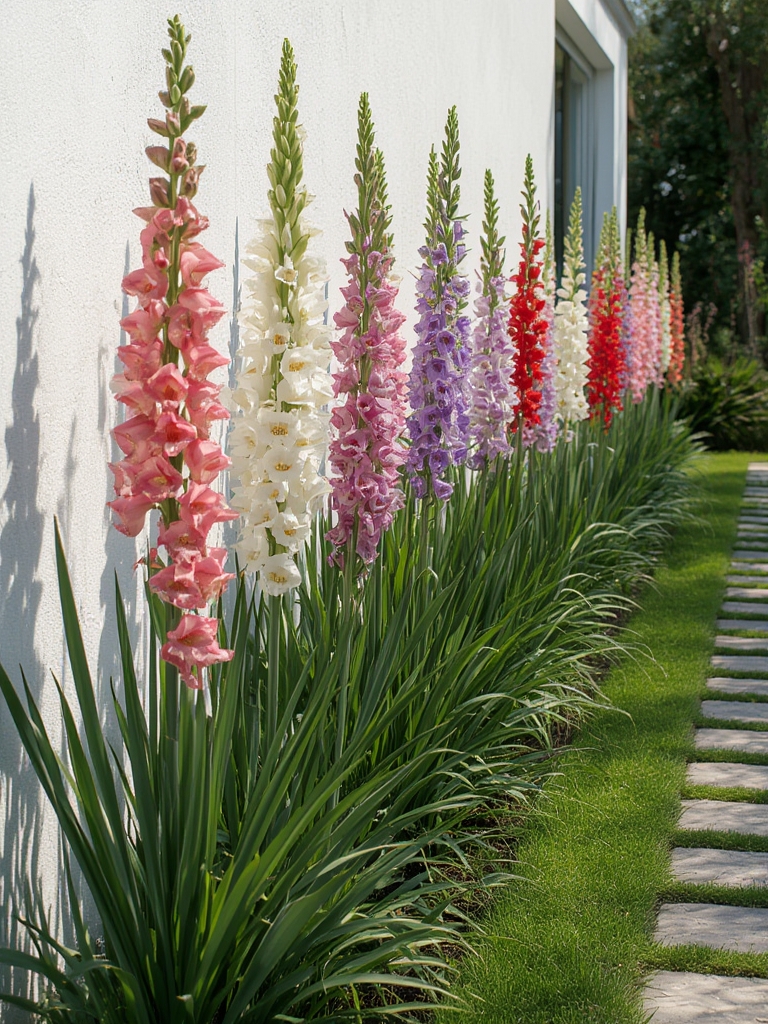
- Snapdragons (Antirrhinum majus) – Fun “snap” mechanism, great for teaching pollination.
Quick tip
Buy seeds from a reputable supplier that lists germination rates (most reputable brands report >85% for the varieties above). Higher germination means fewer wasted seeds and quicker results for eager kids.
2. Prepare the Planting Site
Assess sunlight
According to the USDA Plant Hardiness Zone Map, most flowering annuals need 6‑8 hours of direct sunlight. Use a simple “shadow test”: place a notebook on the ground at noon; if the shadow is shorter than the notebook, the spot receives adequate sun.
Soil preparation
- Test the pH – A quick home kit can tell you if the soil is between 6.0‑6.8, ideal for most flowers.
- Amend with compost – Add 2‑3 inches of well‑rotted compost and mix it into the top 6 inches of soil. Data from the University of California’s Agriculture Extension shows a 30% increase in bloom density when compost is added.
- Loosen the soil – Use a garden fork or hand trowel to break up clods. This improves root penetration and water infiltration.
Kid‑friendly prep activity
Let children sprinkle compost while you stir it in. Explain how organic matter feeds the “soil’s tummy,” turning the task into a mini science lesson.
3. Plant Seeds or Seedlings
Direct sowing seeds
- Spacing – Follow label recommendations; for example, marigolds need 8‑10 cm between plants. Use a ruler or a simple “finger‑width” method for accuracy.
- Sowing depth – Plant seeds at a depth of 2‑3 times their diameter. A common rule: cover the seed with a thin layer of soil and press gently.
- Water gently – Use a misting bottle to avoid displacing seeds. Keep the soil consistently moist for the first 7‑10 days.
Transplanting seedlings
- Harden off – Over 3‑5 days, gradually increase outdoor exposure to reduce transplant shock.
- Planting depth – Place seedlings at the same depth they were in the pot; for sunflowers, bury the seedling’s base 2 cm deeper to encourage a strong taproot.
- Water in – Apply 250 ml of water per plant immediately after planting.
Actionable tip
Mark each planting spot with a small wooden stake labeled with the plant name and planting date. This helps track growth and makes garden chores more organized.
4. Watering, Feeding, and Sunlight Management
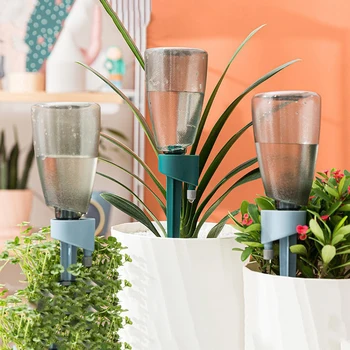
Watering schedule
Data from the National Gardening Association indicates that most annual flowers thrive with 2.5‑5 cm of water per week. Use a rain gauge or a simple ruler in a shallow dish to measure.
- Morning watering – Reduces evaporation and fungal risk.
- Deep soak – Water until you see moisture 10 cm below the surface; this encourages deep root growth.
Fertilizing
Apply a balanced 10‑10‑10 granular fertilizer at half the recommended rate every 3‑4 weeks. Over‑fertilizing can cause weak stems and fewer blooms.
Sunlight adjustments
If you notice leaves turning yellow or wilting, the plant may be receiving too much heat. Move containers to a spot with filtered afternoon shade or use a simple shade cloth (30% density).
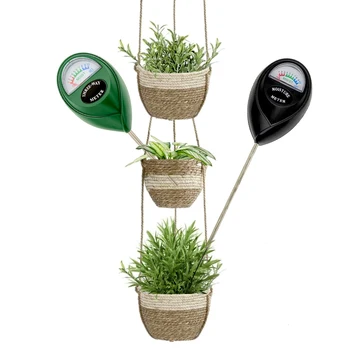
Kid‑friendly water check
Give children a small clear cup and let them check soil moisture by feeling the soil. If it feels dry at finger depth, it’s time to water.
5. Ongoing Care: Pruning, Pest Management, and Harvest
Deadheading for continuous blooms
Removing spent flowers (deadheading) redirects energy to new growth. For marigolds and zinnias, pinch off the wilted head just above the first set of healthy leaves.
Natural pest control
According to a 2022 study in HortScience, companion planting with basil or garlic reduces aphid populations by up to 40%. Plant a few basil pots near your flower beds for a dual benefit of herbs and pest deterrence.
Hand‑picking pests
Teach kids to inspect leaves daily and gently remove any visible insects. This hands‑on approach builds observation skills and reduces reliance on chemicals.
Harvesting flowers
Cut stems in the early morning when nectar levels are highest. Use sharp scissors and cut at a 45‑degree angle to promote water uptake. Place stems in a bucket of cool water to keep them fresh for indoor arrangements.
Quick tip
Rotate crops annually by moving flower containers to a new spot each season. This prevents soil‑borne diseases and keeps the garden vibrant year after year.
6. Celebrate and Share Your Success
Document the journey
Encourage children to keep a simple garden journal. Record planting dates, weather conditions, and growth milestones. Over time, they’ll see patterns—like how a sunny week boosts bloom size—that reinforce data‑driven gardening.
Showcase the results
Arrange a “flower day” where kids present their favorite blooms to family or friends. Use social media or a family blog to share photos, tagging the plant varieties. This not only builds confidence but also spreads awareness of child‑friendly gardening.
Long‑term benefits
Studies from the University of Illinois show that children who regularly engage in gardening score higher on attention‑span tests and develop stronger environmental stewardship. Your flower garden becomes a living classroom that nurtures both plants and young minds.
By following these data‑backed steps and incorporating small, actionable tips, you’ll create a thriving flower garden that’s safe, educational, and visually stunning. Happy planting!