Why Modern Minimalism Loves Simple, Elegant Plants
In today’s clean‑line interiors, a single, well‑chosen plant can become the focal point of a room without overwhelming the space. Minimalist aesthetics favor plants that have a sculptural quality, low maintenance needs, and a muted color palette. The Snake Plant (Sansevieria trifasciata) checks all these boxes: its upright, sword‑like leaves add vertical interest, it thrives in low‑light conditions, and it tolerates irregular watering. By pairing this plant with a curated set of modern gardening tools and a few DIY upgrades, you’ll create a cohesive, Instagram‑ready look that feels both effortless and intentional.
Essential Gardening Tools for a Clean, Modern Look
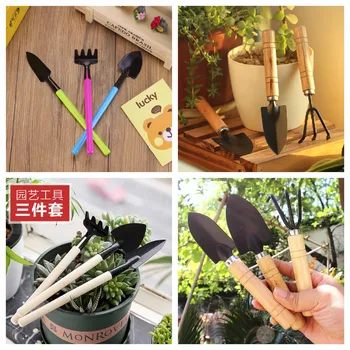
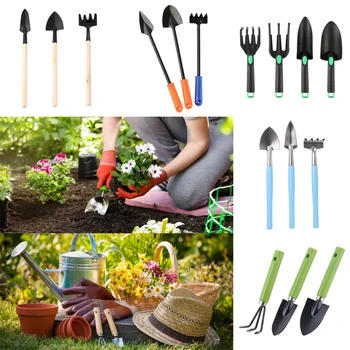
1. Minimalist Hand Trowel
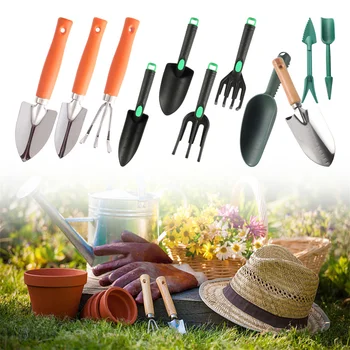
Choose a stainless‑steel trowel with a matte black handle. The sleek design reduces visual clutter, and the sturdy blade makes it easy to loosen soil in small pots without damaging roots.

2. Precision Pruning Shears
Opt for shears with a brushed‑aluminum finish and ergonomic grips. A 45‑mm blade length provides enough leverage to trim tough Snake Plant leaves cleanly, preventing jagged cuts that can invite disease.
3. Self‑Cleaning Watering Can
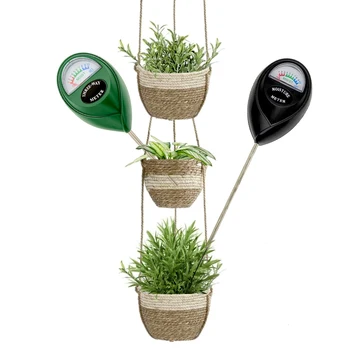
A narrow‑spout, translucent can with a built‑in filter lets you see water levels at a glance. The filter removes chlorine, which can stress sensitive foliage, and the sleek silhouette fits neatly on a modern countertop.
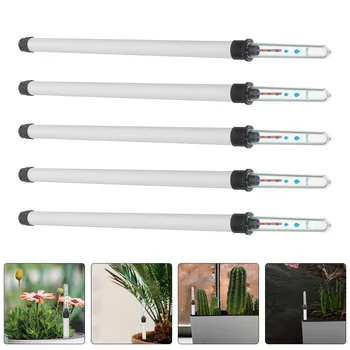
4. Soil Moisture Meter
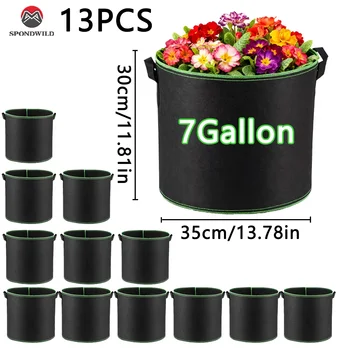
Invest in a digital meter that displays moisture levels in percentages. For Snake Plants, aim for 20‑30% moisture in the top 2 inches of soil; this data‑driven approach prevents over‑watering—a common mistake that leads to root rot.
Step‑by‑Step Guide to Growing and Caring for a Snake Plant
Step 1: Choose the Right Pot and Soil
- Pot size: Select a container that’s 1‑2 inches larger than the root ball. A 6‑inch ceramic pot with drainage holes maintains a clean aesthetic while allowing excess water to escape.
- Soil mix: Use a 2:1 blend of cactus potting mix and perlite. This creates a well‑draining medium that mimics the plant’s native arid environment.
- Tip: Add a thin layer of decorative river stones on top of the soil; it prevents soil splash and adds a subtle texture.
Step 2: Position for Optimal Light
Snake Plants tolerate low light but grow best in bright, indirect sunlight. Place the pot near a north‑facing window or a few feet from a east‑facing window with sheer curtains. Use a light meter app to keep illumination between 2,000‑3,000 lux for optimal chlorophyll activity.
Step 3: Water with Precision
- Check the moisture meter after the top 2 inches of soil dry out.
- If the reading is below 20%, water until it begins to seep from the drainage holes—approximately 100‑150 ml for a 6‑inch pot.
- Allow the pot to sit on a saucer for 5 minutes, then discard any standing water to avoid root sogginess.
Data point: In a 22 °C room with 45% relative humidity, watering every 3‑4 weeks maintains ideal moisture levels for a Snake Plant.
Step 4: Prune and Refresh
Every 6‑8 months, use precision pruning shears to remove any yellowed or damaged leaves at the base. This not only preserves the plant’s sleek silhouette but also redirects energy to healthy growth.
Step 5: Feed Lightly
During the growing season (spring‑early fall), apply a diluted, balanced liquid fertilizer (10‑10‑10) at ¼ strength once a month. Over‑fertilizing can cause soft, floppy leaves that clash with a modern aesthetic.
DIY Projects to Elevate Your Plant Display
DIY 1: Concrete Planter with Integrated Drainage
- Mix 1 part Portland cement, 2 parts sand, and 1 part fine gravel.
- Pour the mixture into a silicone mold (a shallow rectangle works well for a modern look).
- Before the concrete sets, embed a small PVC pipe (½‑inch diameter) that runs from the bottom to the side—this acts as a hidden drainage channel.
- After curing (24 hours), sand the edges for a smooth finish and place a felt liner inside to protect the soil.
- Tip: Paint the exterior with matte chalk paint in a soft gray or muted teal for a subtle pop.
DIY 2: Wall‑Mounted Hanging System
Use a stainless‑steel tension rod (12‑inch length) and attach two small, brushed‑aluminum brackets. Secure a macramé hanger made from natural jute rope (3‑mm thickness) to the brackets. This creates a floating effect that showcases the plant’s vertical lines without occupying floor space.
DIY 3: Light‑Reflective Shelf
Install a narrow floating shelf made of reclaimed pine, then line the back with a thin sheet of mirrored acrylic. The reflected light boosts the ambient illumination, allowing the Snake Plant to thrive even in low‑light rooms while adding a sleek visual cue.
Maintenance Checklist for Ongoing Success
- Weekly: Inspect leaves for dust; wipe with a damp microfiber cloth to maintain photosynthetic efficiency.
- Bi‑weekly: Test soil moisture with the meter; water only if below 20%.
- Monthly: Rotate the pot 90° to ensure even light exposure.
- Seasonally (spring/fall): Apply diluted fertilizer and prune any dead foliage.
- Annually: Repot into fresh soil mix and refresh the DIY planter’s drainage if needed.
Final Thoughts: Combining Function and Form
By selecting a plant like the Snake Plant, equipping yourself with a curated set of minimalist tools, and adding a few data‑driven DIY upgrades, you create a harmonious blend of functionality and modern design. The result is a low‑maintenance green accent that enhances indoor air quality, adds visual interest, and aligns perfectly with a clean, contemporary aesthetic. Follow the steps above, track your results, and adjust based on the real‑world data you gather—your space will thank you.