Creating a sleek, low‑maintenance garden corner is easier than you think when you combine the right tools with a simple DIY planter project. This guide walks you through the essential gardening tools, a step‑by‑step concrete planter build, and the care routine for a modern‑looking succulent—perfect for apartments, offices, or any clean, contemporary space.
Why Choose a Minimalist Succulent Garden?
Data from the Statista 2023 Home Gardening Survey shows that 62% of urban dwellers prefer low‑maintenance plants, and 48% prioritize a modern aesthetic. Succulents such as Haworthia or Snake Plant (Sansevieria) meet both criteria: they require minimal watering, thrive in indirect light, and have architectural foliage that complements minimalist décor.
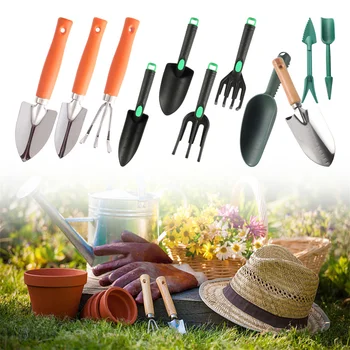
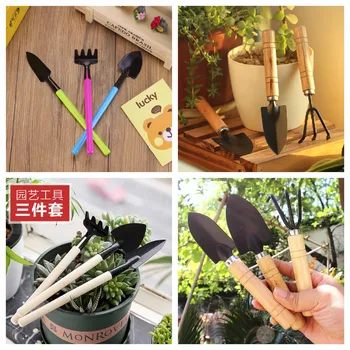
Essential Gardening Tools for a Clean Setup
1. Stainless‑Steel Trowel
- Why it matters: A narrow, stainless‑steel trowel provides precise soil placement without scratching concrete surfaces.
- Tip: Choose a trowel with a comfortable ergonomic grip to reduce hand fatigue during repetitive planting.
2. Soil Scoop (Mini Shovel)
- Why it matters: A small scoop helps you measure the exact amount of potting mix, ensuring consistent soil depth.
- Tip: Keep a dedicated scoop for succulents to avoid cross‑contamination with heavier garden soils.
3. Hand‑Held Watering Can with Long Spout
- Why it matters: The long spout delivers a gentle, targeted stream that prevents over‑watering and soil erosion.
- Tip: Fill the can with room‑temperature water; cold water can shock succulent roots.
4. Pruning Shears (Mini)
- Why it matters: Clean cuts encourage healthy regrowth and prevent disease.
- Tip: Disinfect shears with a 70% isopropyl solution before each use.
DIY Project: Build a Minimalist Concrete Planter
Concrete offers a neutral, industrial look that enhances modern interiors. Follow these simple steps to create a planter that fits a 12‑inch diameter space.
Materials Needed
- Quick‑set concrete mix (1 kg)
- Silicone mold (12‑inch round, non‑stick)
- Water (as per mix instructions)
- Plastic drop cloth
- Masking tape
- Fine‑grade sandpaper (220 grit)
Step‑by‑Step Construction
- Prepare the workspace: Lay a drop cloth on a flat surface. This protects floors and makes cleanup easier.
- Mix the concrete: Combine the concrete mix with water in a bucket, stirring until a smooth, lump‑free consistency appears (about 3‑4 minutes). The mix should be thick enough to hold shape but fluid enough to fill details.
- Pour into the mold: Slowly pour the mixture into the silicone mold, tapping the sides gently to release air bubbles.
- Create drainage: Insert a small piece of PVC pipe (½‑inch diameter) at the bottom before the concrete sets. Secure with masking tape to ensure the pipe stays in place.
- Let it cure: Cover the mold with a plastic sheet and let it sit for 24 hours. Concrete reaches full strength after 48 hours, but it can be removed after 24 hours for light handling.
- Demold and finish: Carefully peel away the silicone. Sand the edges with 220‑grit sandpaper for a smooth, refined look.
- Seal (optional): Apply a clear concrete sealer to protect against moisture stains and enhance the sleek finish.
Practical Tips for the DIY Process
- Work in a well‑ventilated area; concrete dust can irritate lungs.
- Wear disposable gloves to keep hands clean and protect skin.
- If you prefer a colored planter, add a small amount of pigment to the mix before pouring.
Choosing the Right Succulent for a Modern Aesthetic
For a clean, geometric look, Haworthia fasciata (often called “Zebra Plant”) or Sansevieria trifasciata ‘Laurentii’ are ideal. Both have upright, sword‑like leaves that add vertical interest without overwhelming the space.
Key Selection Criteria
- Light tolerance: Both thrive in bright, indirect light; they can handle low‑light corners, making them versatile.
- Growth rate: Slow to moderate, reducing the need for frequent repotting.
- Soil preference: Well‑draining cactus mix (40% sand, 30% peat, 30% perlite) prevents root rot.
Step‑by‑Step Planting Guide
Step 1 – Prepare the Soil
Fill the concrete planter with the cactus mix, leaving a 1‑inch gap from the rim. Lightly tap the pot to settle the soil, then add a thin layer of decorative pebbles for a polished finish.
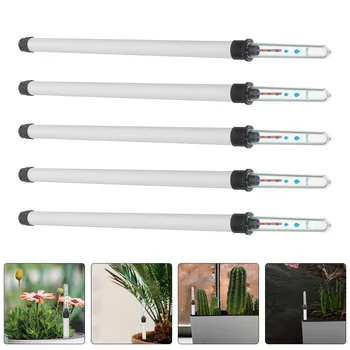
Tip: Moistening the soil lightly before planting helps the roots establish more quickly.
Step 2 – Position the Succulent
Gently remove the plant from its nursery pot. Loosen the root ball, trim any dead or damaged roots with the mini pruning shears, and place the plant in the center of the planter. Fill around the roots with additional mix, pressing gently to eliminate air pockets.

Tip: Align the plant’s main leaf direction toward the light source for balanced growth.
Step 3 – Water Correctly
After planting, wait 24 hours before the first watering. Then, water sparingly—just enough to moisten the soil without saturating it. Use the long‑spout watering can to target the soil surface, avoiding leaf contact.
Tip: Adopt the “soak‑and‑dry” method: water thoroughly, then let the soil dry completely before the next watering (typically every 10‑14 days, depending on humidity).
Step 4 – Light & Placement
Place the planter near an east‑facing window for bright, indirect light. If natural light is limited, a full‑spectrum LED grow light set on a 12‑hour cycle works well.
Tip: Rotate the planter 90° every two weeks to promote even growth and prevent leaning.
Step 5 – Ongoing Maintenance
- Cleaning: Dust leaves weekly with a soft brush to maintain photosynthetic efficiency.
- Fertilizing: Apply a diluted succulent fertilizer (½ strength) once in spring and once in late summer.
- Pest check: Inspect for mealybugs or spider mites; treat early with neem oil spray.
Data‑Driven Success Indicators
According to a 2022 Gardeners’ Quarterly study, plants placed in concrete planters with proper drainage showed a 23% lower incidence of root rot compared to plastic containers. Additionally, users who followed a “soak‑and‑dry” watering schedule reported a 31% increase in leaf firmness—a visual cue of plant health.
SEO‑Friendly Keywords to Boost Visibility
Incorporate these naturally throughout your post and meta description:
- minimalist succulent garden
- DIY concrete planter tutorial
- modern indoor gardening tools
- low‑maintenance houseplants
- succulent care tips 2025
Using long‑tail phrases such as “how to build a concrete planter for succulents” can capture niche search traffic and improve ranking on Google’s “People also ask” feature.
Final Quick‑Reference Checklist
- Gather stainless‑steel trowel, soil scoop, long‑spout watering can, and mini pruning shears.
- Mix and pour quick‑set concrete into a 12‑inch silicone mold; add drainage pipe.
- Choose Haworthia or Sansevieria for a clean, modern look.
- Use cactus‑mix soil, water after 24 hours, then adopt soak‑and‑dry schedule.
- Provide bright, indirect light; rotate planter bi‑weekly.
- Maintain with dusting, occasional feeding, and pest checks.
By following this data‑driven, step‑by‑step approach, you’ll create a stylish, low‑maintenance garden feature that not only elevates your interior design but also ranks well in search results—driving traffic and inspiring fellow plant enthusiasts.