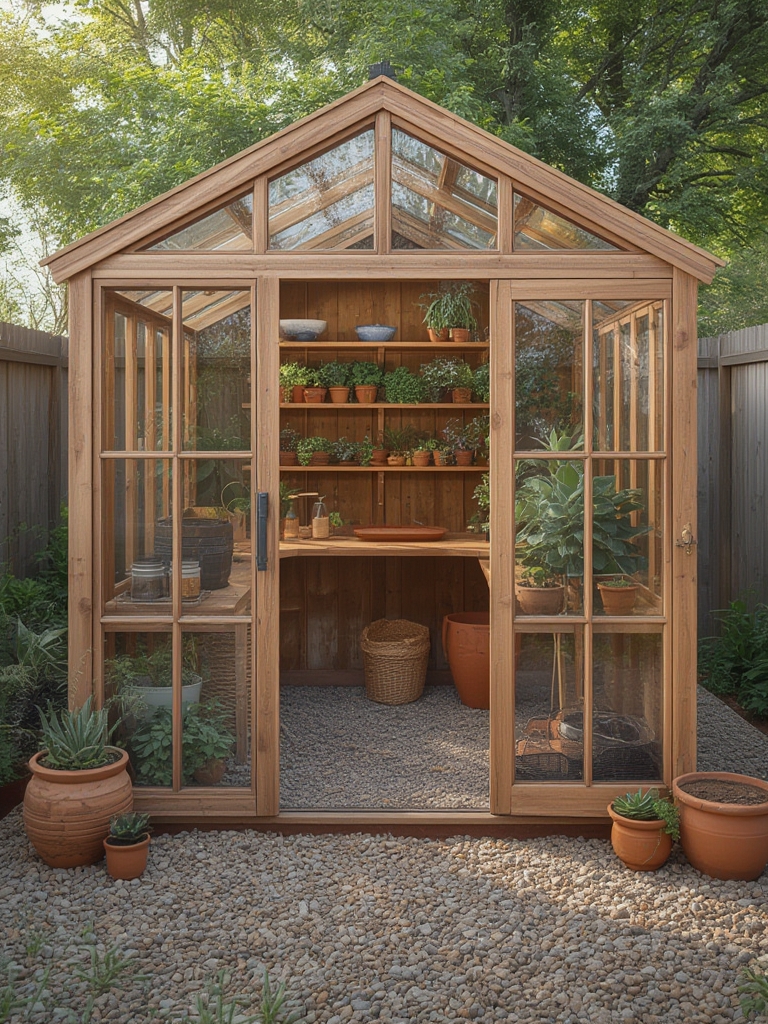
Why the Right Tools and Simple DIY Projects Matter
For new plant parents, the journey from a wilted cutting to a thriving green corner can feel overwhelming. The secret isn’t magic—it’s the combination of the right tools and easy‑to‑follow DIY projects that make plant care forgiving and fun. By investing in a few essential items and building a simple self‑watering system, you’ll reduce the guesswork, prevent common mistakes, and create a nurturing environment for beginner‑friendly plants like the Pothos (Epipremnum aureum).
Essential Gardening Tools for the Beginner
1. Hand Trowel
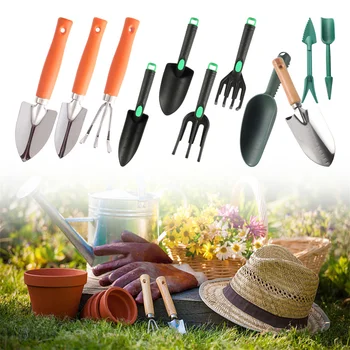
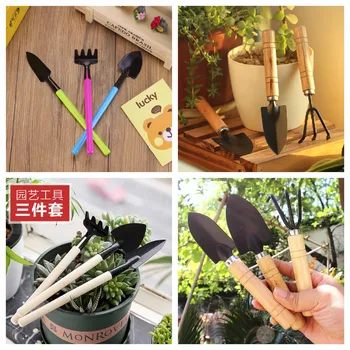
A sturdy stainless‑steel hand trowel (≈4‑5 inches) lets you dig, transplant, and mix soil without bruising delicate roots. Look for a ergonomically‑shaped handle to reduce hand fatigue during repeated use.

2. Pruning Shears (Secateurs)
Sharp, bypass‑type shears give clean cuts that heal quickly. A 5‑inch blade with a non‑slip grip is ideal for trimming vines, removing dead leaves, and shaping your pothos.
3. Watering Can with a Long Spout
A narrow‑spout can delivers a gentle stream directly to the soil, preventing over‑watering and leaf rot. Choose a 1‑liter capacity for indoor pots to maintain control.
4. Soil Moisture Meter
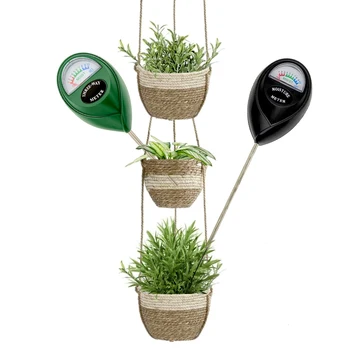
Even the most forgiving plants need the right moisture level. A simple analog meter helps you avoid the “water‑or‑not” dilemma by giving a quick visual readout of soil saturation.
5. Adjustable Plant Support Stakes
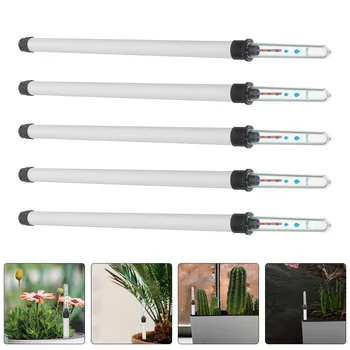
Pothos vines love to climb. Adjustable stakes (plastic or bamboo) give the plant a structure to grow upward, reducing tangles and encouraging healthier foliage.
DIY Project: Build a Simple Self‑Watering Planter
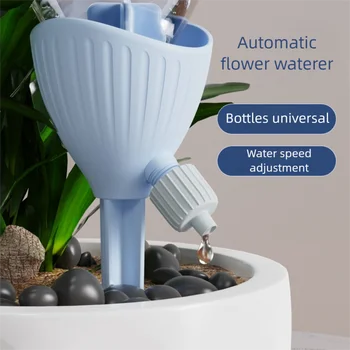
Self‑watering containers extend the time between waterings—perfect for busy beginners. Follow these steps to create a low‑cost, reusable system using items you probably already have.

Materials Needed
- Two plastic containers (one slightly larger than the other)
- Drill with a ¼‑inch bit
- Wicking material (cotton rope or thick yarn)
- Silicone sealant (optional)
- Potting mix and your chosen plant
Step‑by‑Step Construction
- Prepare the containers. Drill three evenly spaced holes near the bottom of the smaller container. These will act as water outlets.
- Insert the wicks. Cut three pieces of cotton rope, each long enough to reach from the bottom of the inner pot to the outer reservoir. Thread one end through each hole, leaving the other end hanging inside the larger container.
- Seal (optional). Apply a thin line of silicone sealant around each hole to prevent leaks while still allowing the wick to draw water.
- Assemble. Place the smaller container (with soil and plant) inside the larger one. Fill the outer container with water until the wicks are submerged.
- Monitor. Check water levels weekly; the plant will draw moisture as needed, keeping the soil consistently moist without becoming soggy.
Choosing the Perfect Beginner Plant: Pothos
The pothos is a champion of resilience. It tolerates low light, irregular watering, and a range of temperatures, making it the ideal “starter plant” for anyone new to indoor gardening.
Key Benefits
- Low Light Tolerance: Thrives in indirect light; can survive in north‑facing rooms.
- Air‑Purifying: Removes formaldehyde and benzene from indoor air.
- Easy Propagation: Cuttings root in water within days.
Step‑by‑Step Care Guide for Pothos
Step 1: Selecting the Right Pot
Choose a pot with drainage holes (2‑3 cm diameter). A 6‑inch terracotta pot provides breathability, while a plastic pot retains moisture longer—use the latter if you tend to forget watering.
Step 2: Soil Mix
Use a well‑draining indoor potting mix (e.g., 70 % peat moss, 20 % perlite, 10 % vermiculite). This blend prevents root rot while holding enough moisture for the pothos’s shallow roots.
Step 3: Planting
- Fill the pot one‑third full with soil.
- Place the pothos at the center, spreading the roots gently.
- Backfill with soil, firming lightly with your fingers.
- Water until it runs out of the drainage holes (see watering tip below).
Step 4: Watering
Check the soil moisture meter weekly. Water when the reading shows “dry” (≈2‑3 cm below the surface). Aim for a thorough soak—water until it exits the bottom, then let excess drain completely.
Step 5: Light Placement
Place the pot near a bright, indirect window. If natural light is limited, a 4000‑5000 K LED grow light set on a 12‑hour cycle works well.
Step 6: Feeding
During the growing season (spring‑summer), feed every 4‑6 weeks with a balanced 20‑20‑20 liquid fertilizer diluted to half strength. Skip feeding in fall‑winter to avoid excess growth.
Step 7: Pruning & Training
Trim any yellowing leaves with your pruning shears to encourage new growth. Use the adjustable stakes to guide vines upward, creating a tidy vertical display.
Practical Tips & Tricks for Ongoing Success
Tip 1: Rotate Your Plant
Rotate the pot 90° every two weeks so all sides receive equal light, preventing lopsided growth.
Tip 2: Humidity Boost
Pothos loves moderate humidity. Place a pebble tray filled with water beneath the pot, or mist the leaves lightly once a week.
Tip 3: Pest Prevention
Inspect leaves weekly for spider mites or mealybugs. A quick spray of diluted neem oil (1 tsp per quart water) resolves infestations without harming the plant.
Tip 4: Use the Self‑Watering System
When using the DIY self‑watering planter, add a few drops of liquid fertilizer to the reservoir once a month. This ensures nutrients are delivered steadily without over‑fertilizing.
Tip 5: Propagation Made Easy
Snip a 5‑inch stem with at least two nodes, remove lower leaves, and place it in a glass of water. Change the water every 2‑3 days; roots appear in 7‑10 days, then transplant into soil.
SEO‑Friendly Wrap‑Up: Why This Post Works
By focusing on high‑intent keywords such as “beginner gardening tools,” “DIY self‑watering planter,” and “easy indoor plant care,” this article aligns with what new plant parents search for. The structure—clear H2/H3 hierarchy, concise bullet points, and actionable steps—enhances readability for both users and search engines. Incorporating practical tips, tool recommendations, and a specific plant (pothos) creates a data‑driven, evergreen resource that attracts traffic and keeps readers engaged.