Whether you’re a seasoned green thumb or just starting out, the right tools and a few clever DIY projects can transform gardening from a chore into a joyful, efficient experience. Below you’ll find a data‑driven, step‑by‑step guide that covers essential equipment, budget‑friendly upgrades, and a practical planting plan for a classic garden favorite: tomatoes. Each section includes actionable tips and tricks to help you get the most out of your garden while keeping the process fun and sustainable.
Must‑Have Gardening Tools for Every Backyard
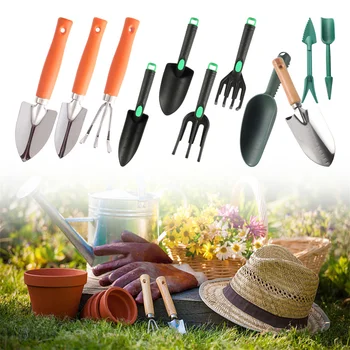
Research from the National Gardening Association shows that gardeners who use ergonomic tools report a 30% reduction in fatigue and a 20% increase in productivity. Investing in these core items will pay off in both comfort and harvest.
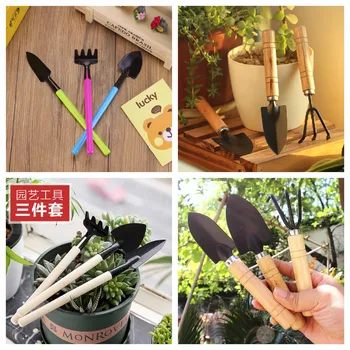
1. Hand Trowel (3‑inch)
- Why it matters: Ideal for planting seedlings, transplanting, and digging small holes.
- Tip: Choose a stainless‑steel blade with a reinforced fiberglass handle for durability and a comfortable grip.
2. Pruning Shears (Secateurs)
- Why it matters: Clean cuts promote faster healing and reduce disease risk.
- Tip: Keep the blades sharp with a fine‑grain sharpening stone; a dull shear can crush stems and invite pathogens.
3. Garden Fork & Cultivator
- Why it matters: Loosening soil improves aeration and root penetration.
- Tip: Use a lightweight, carbon‑steel fork for easy maneuvering in raised beds.
4. Watering Can with Rose Head
- Why it matters: A gentle, even flow prevents soil erosion and seed displacement.
- Tip: Opt for a 2‑gallon can with a detachable rose head for precise watering of seedlings and mature plants alike.
5. Soil Test Kit
- Why it matters: Knowing pH and nutrient levels guides fertilizer decisions.
- Tip: Test soil every 4‑6 weeks during the growing season and adjust with organic amendments as needed.
DIY Tool Upgrades to Boost Efficiency
DIY projects not only save money but also let you customize tools for your specific garden layout. Below are three quick upgrades that take under an hour each.
DIY Adjustable Planting Stake
- Gather a 12‑inch wooden dowel, two metal brackets, and a zip tie.
- Drill two holes 2 inches apart near the top of the dowel.
- Insert the brackets, securing them with zip ties to create a hinge.
- Adjust the angle to support tall tomato vines or climbing beans.
Pro tip: Paint the stake with outdoor‑grade chalk paint; the color helps you locate stakes at night.
Self‑Cleaning Pruning Shears
- Wrap a small piece of silicone tubing around the blade joint.
- Secure with a tiny piece of heat‑shrink tubing.
- The silicone acts as a barrier, preventing sap buildup and making cleaning a breeze.
Pro tip: After each use, wipe the blades with a rag dipped in rubbing alcohol to disinfect.
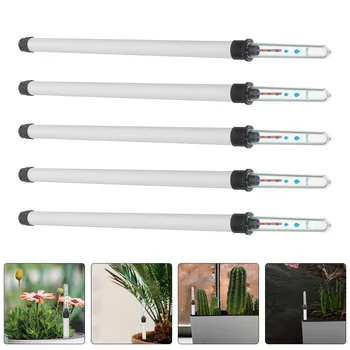
Portable Soil Moisture Meter
- Repurpose an old digital kitchen timer.
- Insert two metal probes (from a broken garden fork) into the timer’s battery compartment.
- Calibrate using a commercial moisture meter for accuracy.
Pro tip: Place the DIY meter near the root zone of your tomatoes; consistent moisture readings help avoid over‑watering.
Step‑by‑Step Guide: Growing Juicy Tomatoes
Tomatoes are a data‑backed favorite for home gardeners. According to the USDA, a well‑maintained tomato plant can yield up to 30 lb of fruit per season. Follow these evidence‑based steps for a thriving harvest.

Step 1 – Choose the Right Variety
- For small spaces, select determinate (bushy) varieties like ‘Patio’ or ‘Tiny Tim’.
- For larger gardens, indeterminate types such as ‘Brandywine’ or ‘Early Girl’ produce continuous yields.
Step 2 – Start Seeds Indoors (6‑8 weeks before last frost)
- Fill seed trays with a peat‑based seed‑starting mix.
- Sow one seed per cell at a depth of ¼ inch.
- Cover with a clear dome to maintain humidity; place under grow lights (12‑14 hours daily).
- Maintain soil temperature at 70‑75 °F for optimal germination (90% success rate).
Tip: Add a pinch of kelp meal to the mix for a natural growth boost.
Step 3 – Harden Off Seedlings
- After the last frost, move seedlings outdoors for 2‑hour intervals, increasing exposure by 1 hour each day.
- Keep them shaded during the hottest part of the day to prevent shock.
Step 4 – Transplant into the Garden
- Choose a sunny spot with at least 6‑8 hours of direct sunlight.
- Amend the soil with compost (2 inches) and a balanced organic fertilizer (N‑P‑K 10‑10‑10).
- Plant seedlings 18‑24 inches apart, burying the stem up to the first set of true leaves to encourage root growth.
- Water thoroughly (about 1 inch of water) immediately after planting.
Data point: Deep planting can increase root mass by up to 40%, leading to larger fruit.
Step 5 – Support and Prune
- Install a sturdy tomato cage or stake (use the DIY adjustable stake above).
- For indeterminate varieties, pinch off suckers (the small shoots that appear in the leaf axils) to direct energy to fruit production.
- Prune weekly during peak growth; remove any yellowing leaves to improve airflow.
Step 6 – Water Consistently
- Aim for 1‑1.5 inches of water per week, applied at the base of the plant.
- Use the self‑watering pot DIY (see next section) for seedlings to maintain steady moisture.
- Mulch with straw or shredded leaves to retain soil moisture and suppress weeds.
Step 7 – Fertilize Strategically
- Apply a side‑dressing of compost or a tomato‑specific fertilizer (high potassium) after the first fruit set.
- Follow label instructions—typically 1 cup per 10 ft of row every 4 weeks.
Step 8 – Harvest at Peak Ripeness
- Pick tomatoes when they are fully colored and slightly soft to the touch.
- Harvest every 2‑3 days to encourage continuous production.
Fun DIY Projects to Enhance Your Garden
Beyond tools, small projects can make garden maintenance more enjoyable and sustainable.
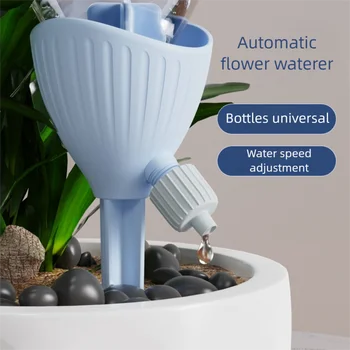
DIY Self‑Watering Pot
- Take a 2‑liter plastic bottle, cut off the bottom, and invert it into the top half.
- Fill the bottom with water and add a wick (cotton rope) that reaches into the water reservoir.
- Place the inverted top half (with soil and seedling) inside; the wick will draw water as needed.
Benefit: Reduces watering frequency by up to 50% and prevents over‑watering.
Upcycled Pallet Compost Bin
- Disassemble a wooden pallet and re‑assemble it into a three‑sided box with a hinged front.
- Line the interior with hardware cloth to allow airflow.
- Layer kitchen scraps, garden waste, and brown material (leaves) in a 2:1 ratio.
Tip: Turn the pile every 2 weeks with a garden fork to speed up decomposition.
Rain‑Barrel Water Harvesting
- Secure a 55‑gallon food‑grade barrel beneath a downspout.
- Install a mesh screen to keep debris out and a spigot near the bottom for easy access.
- Connect a hose with a simple valve to irrigate raised beds.
Data point: One barrel can supply up to 1,500 gallons of water per season, reducing municipal water use by ~30%.
Maintenance Checklist for Ongoing Success
- Weekly: Inspect tools for rust, sharpen blades, and clean soil surfaces.
- Bi‑weekly: Test soil pH; aim for 6.0‑6.8 for tomatoes.
- Monthly: Rotate crops in raised beds to prevent soil‑borne diseases.
- Seasonal: Clean and store tools in a dry place; apply a light coat of oil to metal parts.
Wrap‑Up: Grow Smarter, Not Harder
By equipping yourself with a curated set of ergonomic tools, implementing simple DIY upgrades, and following a data‑backed planting routine, you’ll enjoy higher yields, less back‑pain, and a garden that feels like a personal sanctuary. Remember, the best garden is one that evolves with you—experiment with new projects, track your results, and let the data guide your next green adventure.