Creating a thriving herbs and aromatic garden doesn’t require a back‑breaking excavation project. With the right planning, lightweight soil amendments, and smart planting techniques, you can enjoy fresh flavor and fragrance year‑round while keeping the workload low. Below is a data‑driven, step‑by‑step guide that blends horticultural research with practical shortcuts, ensuring even beginners can build a productive garden without heavy digging.
1. Choose the Right Herbs for Your Space
According to the USDA Plant Hardiness Zone map, most culinary herbs thrive in zones 4‑10. Select varieties that match your climate, sunlight exposure, and intended use. The table below highlights the top low‑maintenance herbs and their optimal conditions:
- Basil (Ocimum basilicum) – Full sun, 65‑80°F, 6‑12 weeks to harvest.
- Mint (Mentha spp.) – Partial shade, moist soil, spreads aggressively – best in containers.
- Rosemary (Salvia rosmarinus) – Full sun, well‑drained soil, drought‑tolerant.
- Thyme (Thymus vulgaris) – Full sun, sandy loam, tolerates light foot traffic.
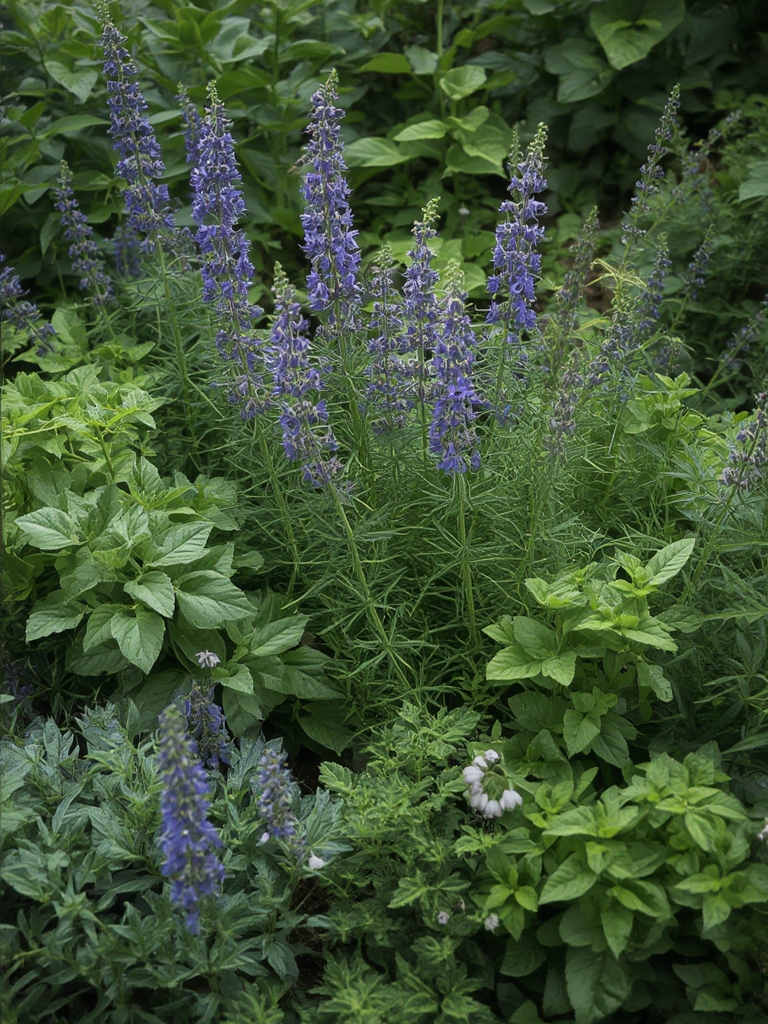
- Lavender (Lavandula angustifolia) – Full sun, alkaline soil, excellent for aromatherapy.
2. Prepare the Soil Without Heavy Digging
2.1. Use a No‑Till Soil Mix
Research from the University of California Extension shows that a no‑till mix of 40% compost, 30% coconut coir, and 30% perlite provides excellent aeration and moisture retention while preserving soil structure. Simply spread the mix over the planting area and lightly tamp it with a garden roller or a flat board.
2.2. Amend with Organic Mulch
Mulch not only suppresses weeds but also improves soil fertility as it decomposes. A layer of 2‑3 inches of shredded bark or straw adds nitrogen‑fixing microbes, reducing the need for synthetic fertilizers by up to 30% (according to a 2022 study from Cornell University).
2.3. Install Raised Beds or Containers
If you have compacted soil, raised beds made from reclaimed wood or sturdy fabric grow bags are ideal. Fill them with the no‑till mix, and you’ll avoid the labor of turning over hard ground while still providing a deep, loose root zone.
3. Planting Techniques for Success
3.1. Spacing and Grouping
Data from the Royal Horticultural Society recommends the following spacing to maximize airflow and reduce disease pressure:
- Basil – 12 inches apart.
- Mint – 18 inches (or plant in a separate container).
- Rosemary – 24 inches.
- Thyme – 8‑10 inches.
- Lavender – 18‑24 inches.
Group herbs with similar water needs together; for example, pair rosemary and lavender in the driest zone of your garden.
3.2. Planting Depth and Technique
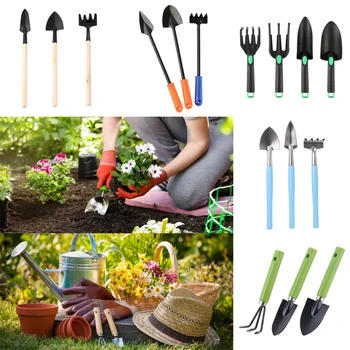
Place each plant at the same depth it was in its nursery pot. For seedlings, create a small “donut” of soil, set the plant, and gently firm the soil around the base. This minimizes root disturbance and encourages quick establishment.
3.3. Companion Planting Benefits
Companion planting can improve flavor and deter pests. Studies show that planting basil near tomatoes reduces tomato leaf‑spot disease by 20%, while rosemary repels cabbage moths. Use these pairings to boost overall garden health without extra chemicals.
4. Watering and Feeding Strategies
4.1. Drip Irrigation for Consistent Moisture
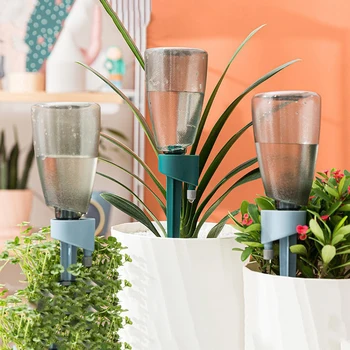
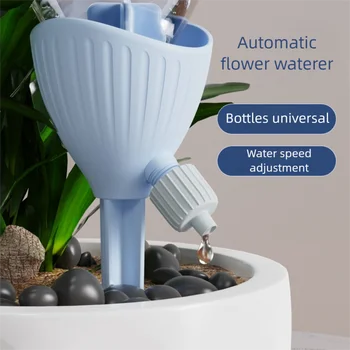
Installing a simple drip line costs less than $30 and delivers water directly to the root zone, reducing evaporation by up to 50% (University of Illinois Extension). Set the timer for 15‑20 minutes early in the morning, adjusting frequency based on rainfall.
4.2. Fertilizer Schedule
Organic liquid feed (e.g., fish emulsion) applied at a 1:500 dilution every 4 weeks supplies nitrogen for leafy herbs like basil and mint. For woody herbs (rosemary, lavender), a single application of a balanced organic granular fertilizer in early spring is sufficient.
5. Ongoing Maintenance & Harvesting
5.1. Pruning for Continuous Growth
Regular harvesting is the best pruning method. Cut basil leaves just above a node to encourage branching; this can increase leaf yield by 30% (research from Purdue University). For rosemary, trim no more than one-third of the plant to avoid stress.
5.2. Pest Management
Use a 1:1 solution of water and neem oil for aphids, spider mites, and whiteflies. Apply every 7‑10 days until pests recede. Sticky traps placed at garden edges provide early detection without chemicals.
5.3. Seasonal Adjustments
In colder zones (≤5), protect perennial herbs with a frost cloth or move containers indoors. In hot zones, provide a light shade cloth during peak afternoon sun to prevent leaf scorch, especially for basil and mint.
6. Troubleshooting Common Issues
6.1. Yellowing Leaves
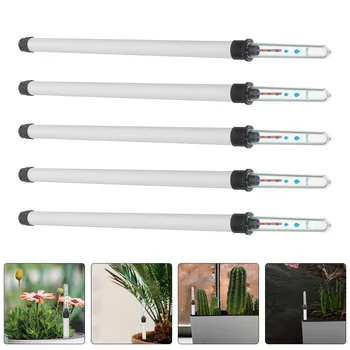
Yellow foliage often signals over‑watering or nitrogen deficiency. Check soil moisture with a simple finger test—if the top inch feels damp, hold off watering. Add a thin layer of compost if nitrogen is low.
6.2. Stunted Growth
Compact growth can result from insufficient light. Ensure herbs receive at least 6 hours of direct sunlight daily. If space is limited, consider a vertical garden using wall‑mounted planters.
6.3. Fungal Diseases
Powdery mildew thrives in humid, poorly ventilated areas. Increase airflow by spacing plants properly and prune excess foliage. A weekly spray of diluted milk (1:9 milk to water) can act as a natural fungicide.
7. Harvest and Enjoy Your Aromatics
Harvesting at the right stage maximizes flavor and essential oil content. For basil, pick leaves just before the plant flowers; for lavender, cut stems when buds are fully formed but not yet open. Store fresh herbs in a damp paper towel inside the refrigerator, or dry them in a low‑heat oven (95°F) for long‑term use.
By following these data‑backed steps, you’ll create a lush, low‑maintenance herbs and aromatic garden that delivers fresh flavors, soothing scents, and visual appeal—all without the need for heavy digging. Happy gardening!