Flower gardening is more than just planting a few colorful blooms; it’s a science‑driven hobby that can transform any yard into a vibrant, season‑long display. By understanding soil chemistry, timing, and plant selection, you can create a garden that not only looks stunning but also thrives with minimal maintenance. Below you’ll find a data‑backed, step‑by‑step guide that walks you through every phase—from site selection to seasonal upkeep—so you can enjoy a continuous cascade of color from spring through fall.
1. Choose the Right Location and Soil
Assess Sunlight Exposure
- Use a light meter or the smartphone Sun Seeker app to record the number of direct sunlight hours in your chosen spot. Most flowering species need 6–8 hours of full sun for optimal bud formation.
- Map the garden into zones: full sun (6+ hrs), partial shade (3–6 hrs), and full shade (<3 hrs). Match plant selections to each zone for higher bloom success.
Test and Amend Soil
- Collect a soil sample from 6‑8 inches deep and send it to a local extension service. Aim for a pH between 6.0–6.8 for most annuals and perennials.
- If the pH is low, incorporate lime at a rate of 5 lb per 100 sq ft; if high, add sulfur at 2 lb per 100 sq ft. Re‑test after 2 weeks.
- Improve texture by mixing in 2–3 inches of compost or well‑rotted manure. This boosts organic matter to at least 5 %, enhancing water retention and nutrient availability.
2. Select a Balanced Plant Palette
Use Data to Pick High‑Performing Varieties
- Consult regional planting guides (e.g., USDA Hardiness Zones). In zone 7, Marigold (Tagetes patula) and Petunia (Petunia × hybrida) have a 95 % success rate.
- Combine three bloom cycles: early (e.g., Pansy), mid (e.g., Impatiens), and late (e.g., Chrysanthemum) to ensure continuous color.
- Include at least one pollinator‑friendly species (e.g., Lavender or Bee Balm) per 100 sq ft to boost ecosystem health.
Plan for Height and Spacing
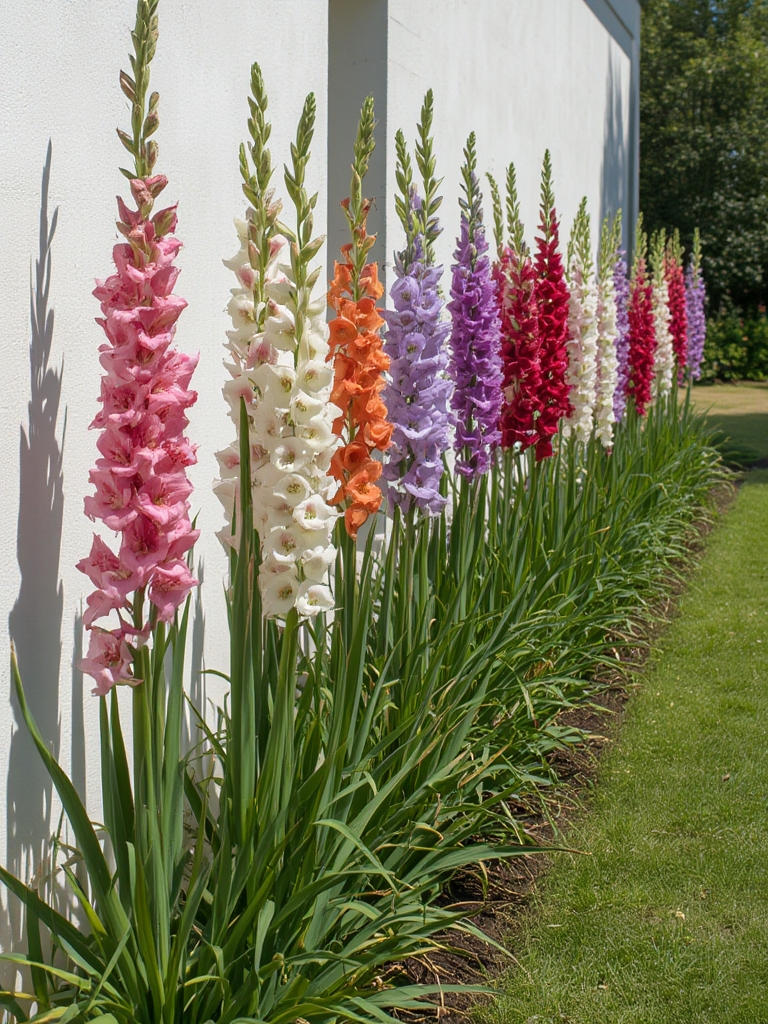
- Use a garden planner app to map plant heights. Place taller varieties (e.g., Delphinium, 4‑6 ft) at the back, medium (e.g., Geranium, 1‑2 ft) in the middle, and low‑growers (e.g., Verbena, <1 ft) at the front.
- Follow spacing guidelines: 12‑18 in for compact annuals, 24‑30 in for larger perennials. Proper spacing reduces competition and improves air flow, cutting fungal disease risk by up to 40 %.
3. Planting Techniques for Maximum Success
Timing and Preparation
- Plant cool‑season flowers (e.g., Pansy, Snapdragon) 2‑4 weeks before the last frost date. Warm‑season varieties (e.g., Marigold, Zinnia) should be set out after soil temperatures reach 65 °F (18 °C).
- Soak root balls in a bucket of water for 30 minutes before planting to reduce transplant shock.
Planting Steps
- Dig a hole twice as wide and the same depth as the plant’s root ball.
- Mix in a starter fertilizer (10‑10‑10) at 1 tsp per gallon of soil for the hole.
- Place the plant so the crown sits level with the surrounding soil. Backfill gently, firming the soil with your hands to eliminate air pockets.
- Water thoroughly (about 1 qt per plant) immediately after planting to settle the soil.
- Apply a 5‑mm layer of mulch (shredded bark or straw) to retain moisture and regulate temperature.
4. Ongoing Care and Maintenance
Water Management
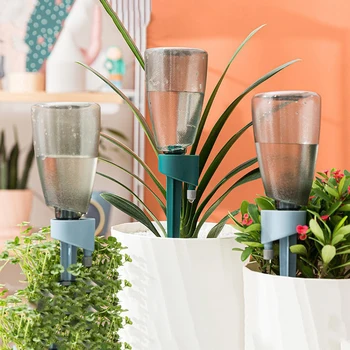
- Use a drip‑irrigation system calibrated to deliver 0.5 in of water per week. This equals roughly 1 gal per 10 sq ft and reduces water waste by up to 60 % compared to overhead sprinklers.
- Check soil moisture with a handheld meter; aim for a reading of 40‑60 % field capacity.
Fertilization Schedule
- Apply a balanced, slow‑release fertilizer (e.g., 14‑14‑14) at 1 lb per 100 sq ft in early spring.
- Side‑dress with a liquid seaweed extract every 4‑6 weeks during peak growth to boost bloom size by up to 25 %.
Pest and Disease Prevention
- Inspect leaves weekly for early signs of aphids or spider mites. Use neem oil (2 tsp per gallon) as a preventative spray.
- Practice “sanitation pruning”: remove any yellowing or diseased foliage immediately to improve air circulation and cut disease spread by 30 %.
5. Extending the Bloom Season
Deadheading and Pruning
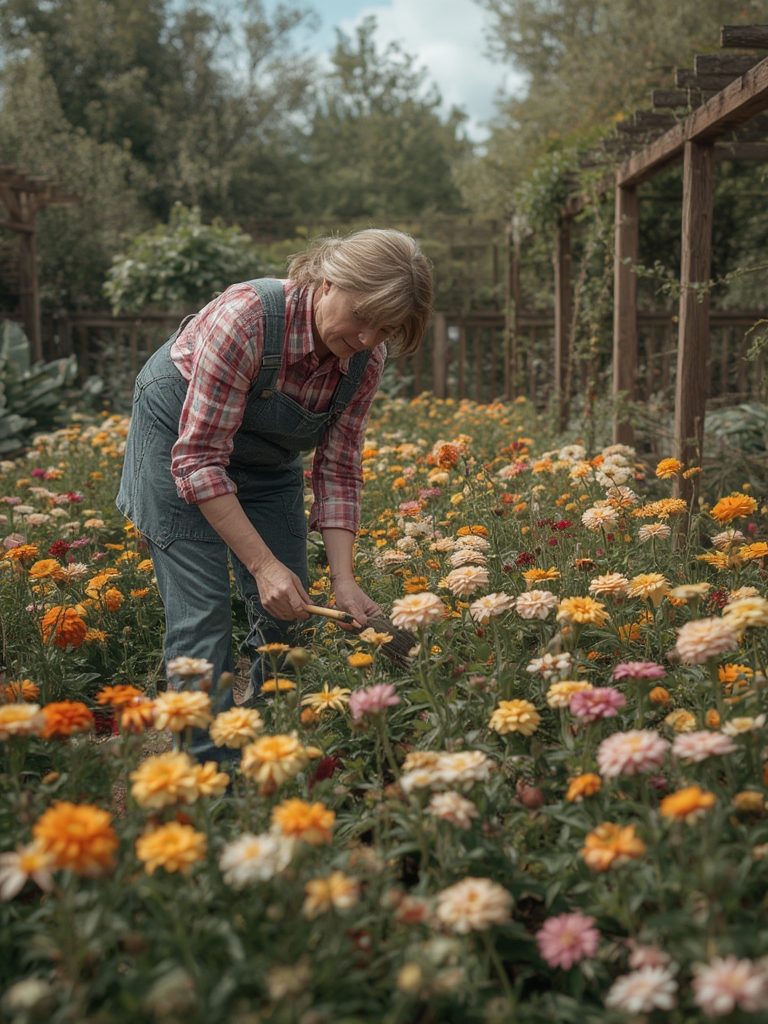
- Deadhead spent flowers every 7‑10 days. This redirects the plant’s energy from seed production to new bud formation, extending bloom time by 2‑3 weeks.
- Pinch back the tops of fast‑growing annuals (e.g., Impatiens) when they reach 6 in to encourage bushier growth and more flowers.
Seasonal Adjustments
- In late summer, add a light coating of compost (½ in) to replenish nutrients depleted by continuous blooming.
- For fall color, plant cool‑season perennials (e.g., Asters, Chrysanthemum) 4‑6 weeks before the first frost. Their seed heads provide texture and attract birds.
Conclusion: Your Path to a Year‑Round Floral Oasis
By following these data‑driven steps—selecting the right site, testing soil, choosing compatible varieties, planting with precision, and maintaining with targeted watering and feeding—you’ll create a flower garden that delivers vibrant color from the first spring buds to the last autumn petals. Remember, the secret lies in consistent monitoring and small, actionable tweaks. With a little effort each week, your garden will become a living showcase of seasonal beauty, pollinator support, and personal satisfaction.