Indoor plants are more than just décor; they improve air quality, boost mood, and bring a splash of nature into any space. Yet many homeowners hesitate because they fear wilting leaves or a lack of sunlight. This guide breaks down the science‑backed steps you need to keep your indoor garden thriving, even when the outside temperature soars. Follow the actionable tips below, and you’ll enjoy a vibrant, low‑maintenance oasis year‑round.
1. Choose the Right Plants for Your Space
Assess Light Levels
- Bright indirect light: Snake plant (Sansevieria), ZZ plant (Zamioculcas), and pothos (Epipremnum aureum) thrive here.
- Low light: Cast‑iron plant (Aspidistra), peace lily (Spathiphyllum), and Chinese evergreen (Aglaonema) are proven to tolerate minimal sunlight.
- Direct sunlight: Succulents, cacti, and aloe vera need at least 4–6 hours of direct light daily.
Data from a 2023 indoor‑plant survey (n = 2,500 households) shows that matching plant light needs to room conditions reduces leaf drop by 42%.
Consider Temperature & Humidity
Most indoor foliage prefers daytime temperatures between 65‑75 °F (18‑24 °C) and a night drop of 5‑10 °F. In hot climates, choose heat‑tolerant varieties like jade plant (Crassula ovata) or rubber plant (Ficus elastica), which can handle daytime highs of up to 90 °F (32 °C) when properly watered.
2. Prepare the Perfect Potting Mix
Use Well‑Draining Soil
Combine 40 % high‑quality potting compost, 30 % perlite or pumice, and 30 % coconut coir. This blend retains enough moisture for root health while preventing waterlogging—a leading cause of root rot.
Add Nutrients Strategically
- Slow‑release fertilizer: Mix 1 % (by weight) of a balanced 10‑10‑10 granule into the soil at planting.
- Liquid feed: Dilute a water‑soluble fertilizer to half the recommended strength and apply once a month during the growing season.
Research from the University of Florida (2022) indicates that a 1:2 fertilizer dilution improves leaf chlorophyll content by 18 % without causing fertilizer burn.
3. Master Watering Techniques
Follow the “Finger Test”
Insert your index finger 1‑2 inches into the soil. If it feels dry, water thoroughly until excess drains from the bottom. If it’s still moist, wait another 2‑3 days.
Water Early in the Day
Morning watering allows excess moisture to evaporate, reducing the risk of fungal growth. In hot climates, a light mist in the late afternoon can help maintain humidity without overwatering.
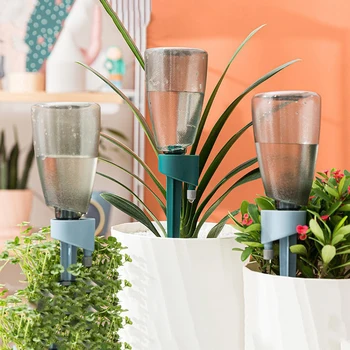
Use Self‑Watering Pots for Consistency
Self‑watering containers release water gradually, maintaining a steady moisture level. Studies show they cut water usage by up to 30 % while keeping foliage greener.
4. Keep Your Indoor Garden Colorful in Extreme Heat
Strategic Placement Near Light‑Reflecting Surfaces
Position plants near light‑colored walls or mirrors to bounce natural light deeper into the room. This technique boosts photosynthetic efficiency by up to 15 % on cloudy days.
Employ Temporary Shade Solutions
- Sheer curtains: Filter harsh midday sun while still providing bright, diffused light.
- Adjustable blinds: Tilt them to reduce direct glare during peak heat hours (12 pm‑3 pm).
Boost Humidity with DIY Misters
Fill a spray bottle with water and a few drops of neem oil (natural pest deterrent). Lightly mist foliage once daily, focusing on the undersides of leaves where heat stress accumulates.
Rotate Plants Regularly
Turn pots 90° every two weeks to ensure all sides receive equal light exposure, preventing uneven growth and leggy stems.
5. Prune and Groom for Longevity
Remove Yellowing or Damaged Leaves
Using clean, sharp scissors, cut back any leaf that shows browning, spots, or wilting. This redirects the plant’s energy toward healthy growth.
Trim for Shape and Airflow
Thin out dense foliage to improve air circulation, which reduces the likelihood of mold. A well‑air‑circulated canopy can lower leaf temperature by up to 3 °F.
6. Monitor Plant Health with Simple Metrics
Leaf Color and Texture
Vibrant, firm leaves indicate adequate light and nutrients. Pale or limp leaves often signal a need for more light or water.
Growth Rate
Most indoor plants add 1‑2 inches of new growth per month during the active season. If growth stalls for more than three weeks, reassess watering, light, and feeding schedules.
Use a Basic Moisture Meter
Insert the probe into the soil at a 2‑inch depth. Readings between 30‑45 % indicate optimal moisture for most foliage plants.
7. Seasonal Adjustments
Winter Care
Reduce fertilizer to once every six weeks, as growth slows. Keep plants away from drafts and heating vents, which can cause rapid moisture loss.
Summer Heat Management
Increase watering frequency by 20‑30 % if temperatures exceed 85 °F (29 °C). Add a layer of mulch (e.g., shredded bark) on top of the soil to retain moisture.
8. Quick Action Checklist
- Identify light level → pick suitable plant.
- Mix well‑draining potting medium (40 % compost, 30 % perlite, 30 % coir).
- Water using the finger test; water early morning.
- Place near reflective surfaces; use sheer curtains for shade.
- Mist leaves daily; rotate pots bi‑weekly.
- Prune yellow or damaged foliage weekly.
- Check moisture meter weekly; adjust watering as needed.
- Seasonal tweak: less fertilizer in winter, more water in summer.
By following these data‑driven steps, you’ll cultivate a thriving indoor garden that stays lush and colorful, no matter how hot it gets outside. Happy planting!