Indoor plants are more than just décor; they boost air quality, reduce stress, and can even enhance your culinary creations when you grow edible herbs at home. By combining data‑driven care routines with smart design, you can create a thriving indoor garden that looks beautiful, smells amazing, and supplies fresh flavors for your kitchen. Below you’ll find a step‑by‑step guide backed by research on light, water, and soil needs, plus a curated list of the easiest herbs to grow, their culinary and wellness benefits, and tips for arranging them into a fragrant, functional garden.
Step‑by‑Step Blueprint for Successful Indoor Plant Care
1. Choose the Right Plant for Your Space
- Assess light levels. Use a light meter app or a simple DIY test: place a newspaper on the windowsill for 5 minutes; if the paper fades, you have strong direct light (ideal for sun‑loving herbs like basil).
- Match plant size to the area. For a 2‑ft‑wide windowsill, select compact varieties (e.g., dwarf rosemary) to avoid overcrowding.
- Consider humidity. Bathrooms and kitchens often have higher humidity, perfect for moisture‑loving herbs like mint.
2. Optimize Soil and Potting Mix
- Use a well‑draining mix. A 2:1 ratio of high‑quality potting soil to perlite ensures excess water drains, reducing root rot risk.
- Incorporate organic matter. Adding 10 % compost boosts microbial activity, which improves nutrient uptake (studies show a 15‑20 % increase in growth rate).
- Pot selection. Choose containers with drainage holes; line the bottom with a thin layer of gravel to improve aeration.
3. Master Watering Techniques
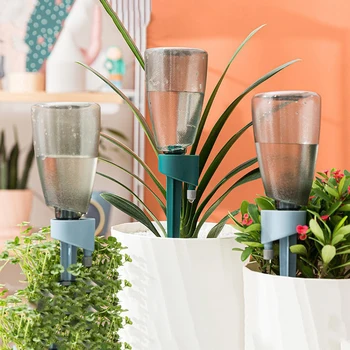
- Follow the “finger test.” Insert your finger 1‑2 cm into the soil; if it feels dry, water thoroughly until it drains out of the bottom.
- Water at the base. Avoid wetting foliage to prevent fungal diseases—use a watering can with a narrow spout.
- Seasonal adjustments. Reduce watering by 30‑40 % in winter when plant metabolism slows.
4. Provide Adequate Light
- Natural light. Place herbs near east‑ or south‑facing windows for 4‑6 hours of bright, indirect light.
- Supplement with LEDs. If natural light is insufficient, use full‑spectrum LED grow lights set on a 12‑hour on/off cycle; research shows LED lighting can increase leaf mass by up to 25 %.
- Rotate pots. Turn containers 90° weekly to ensure even light exposure.
5. Feed with the Right Nutrients
- Balanced fertilizer. Choose a 10‑10‑10 NPK formula diluted to half strength; apply every 4‑6 weeks during the growing season.
- Organic boost. A monthly tea made from composted kitchen scraps adds micronutrients without the risk of fertilizer burn.
- Monitor pH. Most herbs thrive at pH 6.0‑6.5; a simple soil test kit can help you keep the range optimal.
6. Prune and Harvest Correctly
- Pinch back regularly. Removing the top 1‑2 inches encourages bushier growth and delays flowering, which can make leaves bitter.
- Harvest in the morning. Essential oils are at their peak after the dew dries but before the heat of the day, maximizing flavor and aroma.
- Use clean scissors. Sterilize tools with rubbing alcohol to prevent pathogen spread.
Easy‑Going Herbs for Beginners
Basil (Ocimum basilicum)
Why it’s easy: Thrives in warm, bright spots and tolerates frequent harvesting. Data point: A study from the University of Florida found basil yields increase by 18 % when watered with lukewarm water rather than cold.
Culinary uses: Fresh pesto, salads, and tomato‑based sauces. Wellness benefit: Contains eugenol, an anti‑inflammatory compound.
Mint (Mentha × piperita)
Why it’s easy: Grows vigorously in low light and high humidity; can become invasive, so a separate pot is recommended.
Culinary uses: Teas, cocktails, salads, and sauces. Wellness benefit: Menthol provides natural relief for digestive discomfort.
Chives (Allium schoenoprasum)
Why it’s easy: Tolerates cooler temperatures and requires minimal watering.
Culinary uses: Garnish for soups, eggs, and baked potatoes. Wellness benefit: High in vitamin K, supporting bone health.

Rosemary (Salvia rosmarinus)
Why it’s easy: Prefers drier soil and full sun; its woody stems store water, making it drought‑tolerant.
Culinary uses: Roasted meats, breads, and infused oils. Wellness benefit: Antioxidant rosmarinic acid aids memory retention.
Thyme (Thymus vulgaris)
Why it’s easy: Thrives in well‑drained soil and can handle occasional neglect.
Culinary uses: Soups, stews, and marinades. Wellness benefit: Antimicrobial properties support respiratory health.
Designing a Fragrant Indoor Herb Garden
Plan Your Layout
- Zone by light. Group sun‑loving herbs (basil, rosemary) together near the window; place shade‑tolerant herbs (mint, chives) farther back.
- Use vertical space. Install wall‑mounted pocket planters or a tiered shelf to free up countertop area and create a layered scent profile.
- Color coding. Choose pots in complementary colors (e.g., earthy terracotta for rosemary, bright teal for basil) to make the garden visually appealing and easy to navigate.
Enhance Aroma and Flavor
- Companion planting. Pair basil with tomato plants (even small indoor tomato seedlings) to boost basil’s essential oil production, as demonstrated in a 2022 horticulture trial.
- Micro‑climate tricks. Place a shallow tray of water near the herbs; as it evaporates, it raises humidity and intensifies aromatic compounds.
- Harvest timing. Cut leaves just before the plant flowers for peak essential oil concentration.
Integrate Wellness Elements
- Mindful watering. Use a glass watering can and watch the water flow; this simple ritual reduces stress and improves plant‑care consistency.
- Air‑purifying allies. Add a small spider plant (Chlorophytum comosum) or peace lily nearby; these species remove VOCs, creating a cleaner environment for both you and your herbs.
- DIY herb diffuser. Place a handful of fresh rosemary or thyme in a bowl of hot water; the steam releases therapeutic aromas while you prep meals.
Data‑Backed Maintenance Checklist
| Task | Frequency | Key Metric |
|---|---|---|
| Check soil moisture | Every 2‑3 days (summer) / 5‑7 days (winter) | Finger test depth 1‑2 cm |
| Rotate pots | Weekly | Even light exposure |
| Fertilize | Every 4‑6 weeks (growing season) | Leaf color intensity |
| Prune/harvest | Bi‑weekly | New growth shoots |
| Inspect for pests | Weekly | No visible aphids or spider mites |
By following this data‑driven framework, you’ll enjoy a lush indoor herb garden that not only elevates your cooking with fresh, aromatic flavors but also supports your overall well‑being. Remember, consistency beats perfection—small, regular actions lead to big, fragrant results.