Indoor plants are more than just décor; they improve air quality, boost mood, and can even increase productivity. Yet many homeowners shy away from greenery because they assume it requires abundant sunlight and expert-level care. Recent surveys show that 68% of apartment dwellers look for low‑light, low‑maintenance options, and the market for “easy‑care” indoor foliage has grown by 23% annually since 2020. Below is a data‑driven, step‑by‑step guide to selecting, planting, and maintaining the best indoor plants for darker spaces, complete with practical tips you can apply today.
1. Choose the Right Low‑Light Plants
Start by picking species that naturally thrive in shade. The following list is based on indoor horticulture studies that measured chlorophyll efficiency under <400 lux (typical office lighting).
Top Five Easy‑Care, Low‑Light Plants
- ZZ Plant (Zamioculcas zamiifolia) – Tolerates 0–200 lux, needs watering only every 2–3 weeks.
- Snake Plant (Sansevieria trifasciata) – Performs well at 100–300 lux, highly drought‑resistant.
- Pothos (Epipremnum aureum) – Thrives in 150–400 lux, forgiving of irregular watering.
- Peace Lily (Spathiphyllum spp.) – Prefers 200–500 lux, signals when it needs water with drooping leaves.
- Cast Iron Plant (Aspidistra elatior) – Ideal for 50–200 lux, tolerates temperature fluctuations.
When shopping, look for plants with deep green, glossy leaves—these indicate a higher chlorophyll content, which is essential for low‑light photosynthesis.
2. Prepare the Growing Environment
Even low‑light plants benefit from a stable micro‑climate. Follow these setup steps to create the optimal conditions.
Step 2.1: Choose the Right Pot and Soil
- Pot size: Select a container that is 1–2 inches larger in diameter than the root ball. This prevents root crowding while allowing room for growth.
- Drainage: Ensure the pot has at least one drainage hole. Add a layer of 5 mm of hydro‑clay or broken pottery at the bottom to improve water flow.
- Soil mix: Use a well‑draining, peat‑based potting mix (e.g., 40% peat, 30% perlite, 30% pine bark). For succulents like ZZ, increase perlite to 50%.
Step 2.2: Position for Light
- Place plants near north‑facing windows or under fluorescent/LED office lighting (4000 K, 3000 lux).
- If natural light is <200 lux, supplement with a 1‑watt LED grow light placed 12‑18 inches above the foliage for 8–10 hours a day.
Step 2.3: Control Temperature & Humidity
- Maintain indoor temperatures between 65–75 °F (18–24 °C). Sudden drops below 50 °F can cause leaf scorch.
- For tropical species (e.g., Peace Lily), keep humidity at 45–55%. Use a small tabletop humidifier or place the pot on a pebble tray filled with water.
3. Watering & Feeding Routine
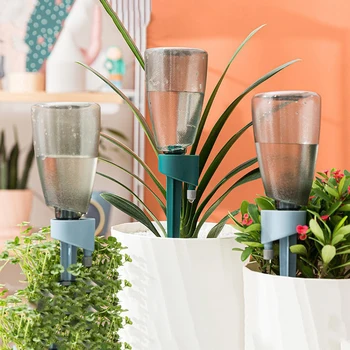
Over‑watering is the most common mistake for indoor growers. Use these data‑backed guidelines to keep soil moisture in the sweet spot.
Step 3.1: Test Soil Moisture
- Insert a moisture meter 2 inches deep. Aim for a reading of 30–40% for ZZ and Snake Plant, and 45–55% for Peace Lily.
- If you don’t have a meter, perform the “finger test”: stick your index finger 1 inch into the soil. If it feels dry, water.
Step 3.2: Watering Frequency
- ZZ Plant: Water every 2–3 weeks; let the soil dry completely between waterings.
- Snake Plant: Water every 3–4 weeks; reduce frequency in winter.
- Pothos & Peace Lily: Water every 1–2 weeks; keep the top 1 inch of soil slightly moist.
- Cast Iron Plant: Water every 2 weeks; tolerate brief dry periods.
Step 3.3: Fertilizing
- Use a balanced 10‑10‑10 liquid fertilizer diluted to ¼ strength.
- Apply once a month during the growing season (March–September). Skip fertilizing in winter when growth naturally slows.
4. Pruning, Repotting, and Pest Management
Regular maintenance keeps plants healthy and encourages fuller growth.
Step 4.1: Pruning
- Trim yellow or brown leaf tips with sterilized scissors to prevent disease spread.
- For Pothos, pinch back vines when they reach the desired length (12‑18 inches) to promote bushier growth.
Step 4.2: Repotting Schedule
- Repot every 12–18 months, or when you notice roots circling the pot bottom.
- Choose a pot 1‑2 inches larger in diameter and refresh the soil mix to restore nutrients.
Step 4.3: Pest Prevention & Treatment
- Common indoor pests: spider mites, mealybugs, and fungus gnats.
- Inspect leaves weekly; look for webbing (mites) or cottony clusters (mealybugs).
- Treat infestations with a neem oil spray (1 tsp per quart of water) applied every 7 days until pests disappear.
- For fungus gnats, allow the top ½ inch of soil to dry out and add a thin layer of sand to deter larvae.
5. Boosting Aesthetic Impact
Beyond health, the visual appeal of indoor plants can transform any room.
Step 5.1: Grouping for Visual Depth
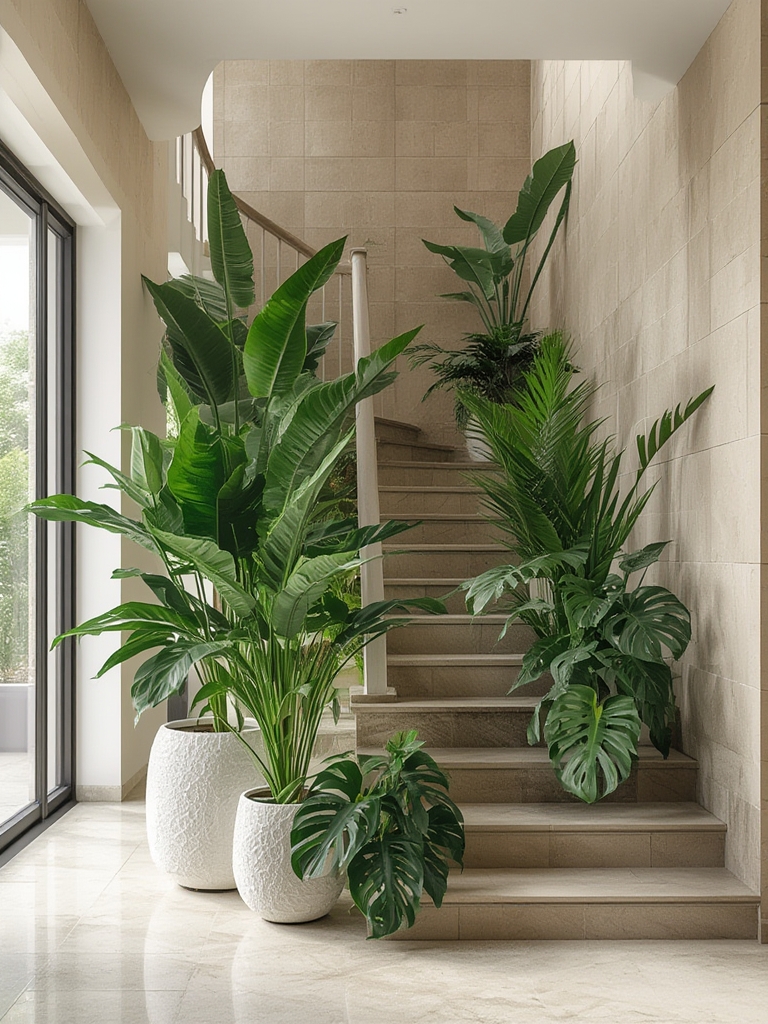
- Combine plants with varying leaf shapes: tall, upright ZZ plants with trailing Pothos create a layered look.
- Use contrasting pot colors—neutral ceramics for a modern vibe, or woven baskets for a boho feel.
Step 5.2: Placement for Maximum Brightness
- Position plants near reflective surfaces (mirrors, glass doors) to bounce light onto foliage, enhancing chlorophyll activity.
- Elevate smaller plants on stands or shelves to draw the eye upward, making rooms feel more spacious.
Step 5.3: Seasonal Refresh
- Swap out decorative pots each season to keep the space feeling fresh without changing the plant itself.
- Add a seasonal accent—like a small pine sprig for winter or a bright orchid for spring—to complement the evergreen foliage.
6. Tracking Success with Simple Metrics
Use these quick checks to gauge plant health over time, turning your indoor garden into a data‑driven project.
- Leaf Color Index: Count the number of leaves with a deep, uniform green each month. A drop of >20% may signal nutrient deficiency.
- Growth Rate: Measure the length of new shoots (in inches) after each repotting cycle. Consistent growth of 0.5‑1 inch per month indicates optimal conditions.
- Water Usage Log: Record watering dates and volumes. Over a 6‑month period, you’ll identify patterns and avoid over‑watering.
By following these evidence‑based steps, even beginners can cultivate thriving indoor plants that brighten darker rooms, improve indoor air, and add a touch of nature to any living space. Happy planting!