Creating a thriving herb and aromatic garden is one of the most rewarding projects for both seasoned gardeners and beginners. Not only do these plants provide fresh flavors and soothing scents for your kitchen and home, but they also add texture, color, and visual interest to any outdoor space. By focusing on a single, harmonious color palette, you can turn a simple collection of herbs into a stunning, Instagram‑ready garden that looks intentional and polished.
Choosing a Color Palette That Works
Before you break ground, decide on a color theme that will guide plant selection, container choices, and garden décor. A cohesive palette makes the garden feel curated rather than haphazard. Here are three easy‑to‑apply palettes:
- Soft Greens & Silvers: Pair sage, rosemary, and thyme (silvery foliage) with the bright green leaves of mint and lemon balm.
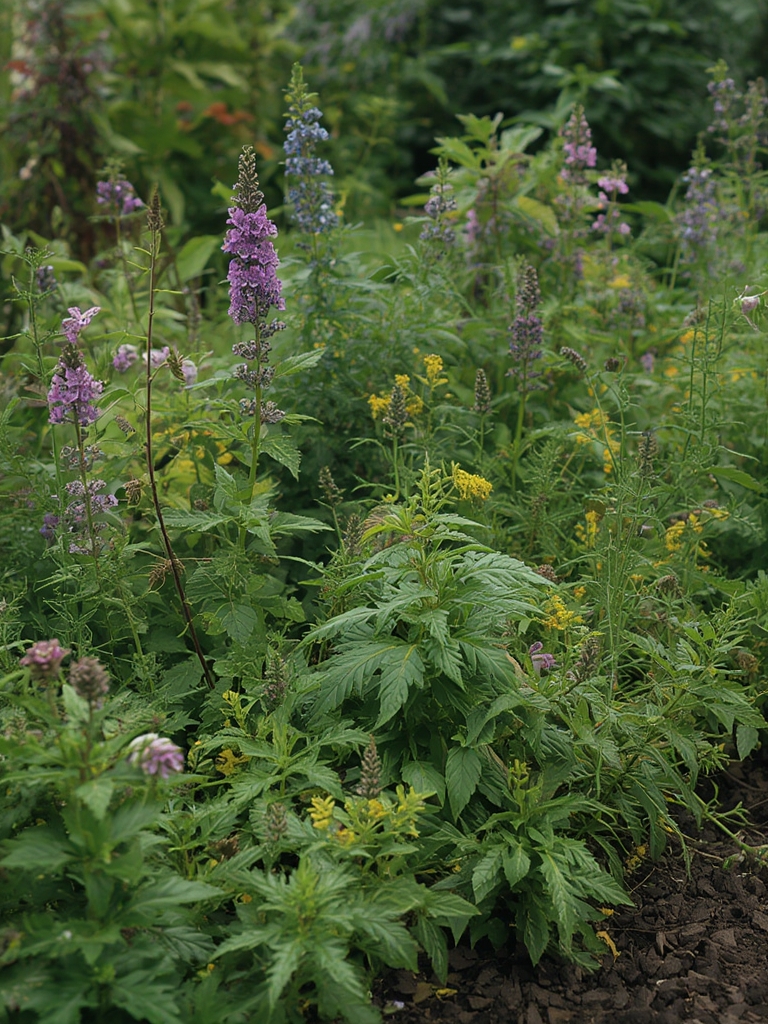
- Vibrant Purples & Blues: Use lavender, catmint, and borage alongside the deep blue flowers of oregano.
- Sunny Yellows & Oranges: Mix marigold‑tinted lemon verbena, orange‑hued calendula, and the golden leaves of sage.
Pick the palette that best matches your home’s exterior or interior décor, and let it dictate the varieties you’ll plant.
Step‑by‑Step Guide to Growing a Color‑Cohesive Herb Garden
1. Site Selection & Soil Preparation
Actionable tip: Choose a location that receives at least 4–6 hours of sunlight daily. Most culinary herbs thrive in full sun, while some aromatic herbs like mint tolerate partial shade.
- Test the soil pH; most herbs prefer a slightly alkaline range (6.5–7.5). Amend with lime if the soil is too acidic.
- Improve drainage by mixing in 1–2 inches of coarse sand or perlite.
- Incorporate a 2‑inch layer of compost or well‑rotted manure to boost fertility and moisture retention.
2. Layout Planning Using the Color Palette
Actionable tip: Sketch a rough garden plan on graph paper or a free online garden planner. Place taller herbs (like rosemary) at the back or center, and lower-growing varieties (like thyme) toward the edges.
- Group plants with similar colors together to create “blocks” of hue.
- Use contrasting foliage (silvery sage next to deep green mint) to add depth.
- Leave 12–18 inches between mature plants to ensure airflow and reduce disease pressure.
3. Planting – Seeds vs. Transplants
Actionable tip: For a faster start and more reliable color consistency, purchase healthy transplants from a reputable nursery. If you prefer starting from seed, sow indoors 6–8 weeks before the last frost.
- Plant transplants at the same depth they were in their original containers.
- Water gently but thoroughly after planting to settle the soil around the roots.
- Apply a thin layer of mulch (e.g., shredded bark) to retain moisture and suppress weeds.
4. Watering & Feeding Routine
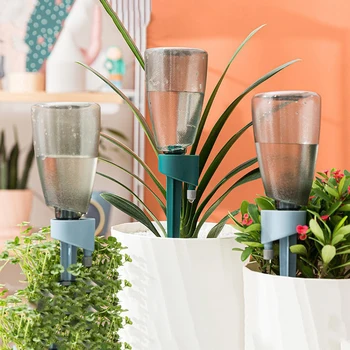
Actionable tip: Use a drip irrigation system or soaker hose to deliver water directly to the root zone, minimizing leaf wetness and fungal issues.
- Water deeply once a week during dry spells; avoid daily shallow watering.
- Feed with a balanced, organic liquid fertilizer (10‑10‑10) every 4–6 weeks during the growing season.
- For a color boost, sprinkle a light dose of seaweed extract monthly; it enhances foliage vibrancy.
5. Pruning & Harvesting for Continuous Growth
Actionable tip: Harvest early and often. Regular cutting encourages bushier growth and prevents plants from flowering (which can make leaves bitter).
- Snip just above a leaf node to stimulate new shoots.
- For woody herbs like rosemary, trim no more than one-third of the plant at a time.
- Remove any flower spikes on basil, mint, and thyme to keep foliage tender and flavorful.
6. Managing Pests & Diseases Naturally
Actionable tip: Companion planting is your first line of defense. Intermix aromatic herbs with pest‑repelling companions like marigold or nasturtium.
- Inspect leaves weekly for aphids, spider mites, or fungal spots.
- Use a homemade spray of neem oil (1 tsp per quart of water) to treat infestations.
- Practice good air circulation by thinning crowded plants and avoiding overhead watering.
7. Seasonal Care & Overwintering
Actionable tip: In colder climates, protect tender herbs with a frost cloth or move containers to a sunny indoor windowsill.
- Cut back perennials (e.g., rosemary, sage) after the first frost to protect the stems.
- Mulch heavily (2–3 inches of straw) around the base of hardy herbs to insulate roots.
- In spring, gradually acclimate indoor plants to outdoor conditions by “hardening off” for a week before full planting.
Design Details That Elevate the Garden’s Visual Impact
Container & Pathway Choices
Use uniform pots in a single hue that matches your palette—white terracotta for a clean look, or deep‑purple glazed pots for a bold statement. Arrange them on a raised wooden deck or a gravel pathway to keep the garden tidy and accessible.
Accents & Accessories
- Install a small water feature or a decorative stone statue in a complementary color.
- Add low‑profile garden lighting (solar LED strips) along the edges to highlight foliage after dark.
- Place a herb‑scented candle or essential‑oil diffuser nearby to extend the aromatic experience indoors.
Harvest Display
Keep a stylish wooden crate or woven basket nearby for freshly cut herbs. Not only does this make harvesting convenient, it also reinforces the garden’s aesthetic by keeping tools and produce within sight.
Quick Reference Checklist
- Pick a color palette (greens/silvers, purples/blues, or yellows/oranges).
- Choose a sunny site with well‑draining soil; amend pH if needed.
- Plan layout: taller herbs back, shorter front; maintain 12‑18 in spacing.
- Plant transplants or start seeds 6–8 weeks before frost.
- Water deeply once a week; use drip irrigation; feed every 4–6 weeks.
- Harvest early, prune regularly, and prevent flowering.
- Employ companion plants, inspect weekly, and treat with neem oil if needed.
- Mulch for winter protection; harden off seedlings in spring.
- Use matching containers, add lighting, and keep a harvest basket nearby.
By following these data‑driven steps and focusing on a cohesive color scheme, you’ll create an herb and aromatic garden that not only supplies your kitchen with fresh flavors but also serves as a vibrant, fragrant centerpiece for your home. Happy planting!