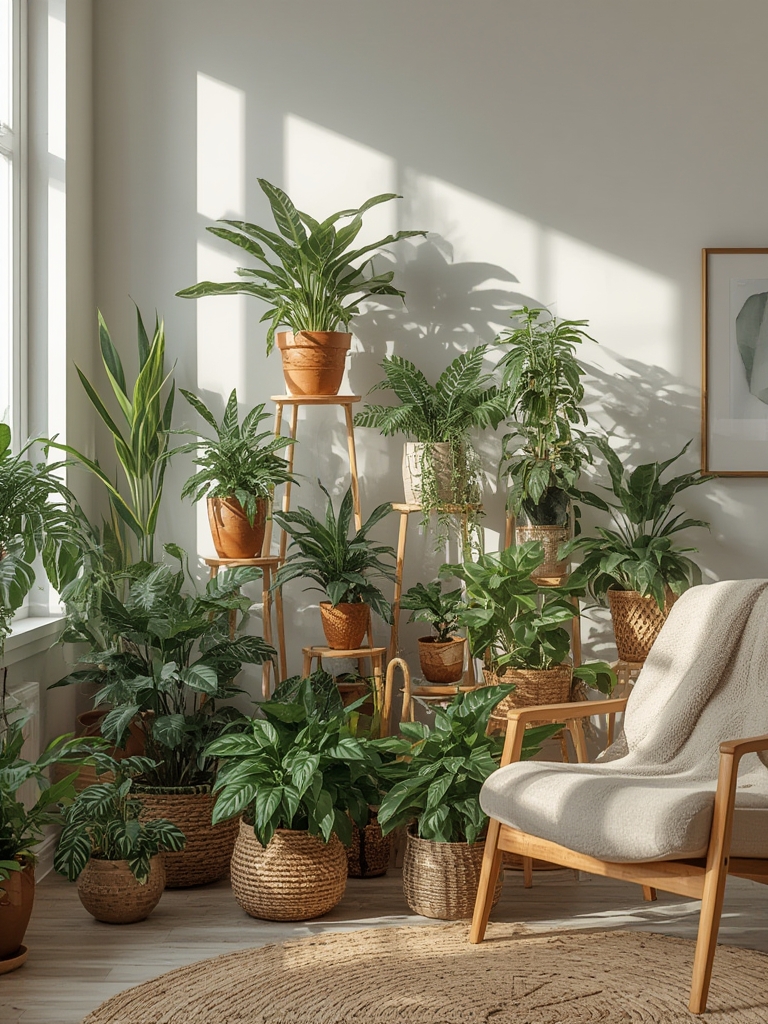
Herbs and aromatic gardens are a kitchen‑friendly way to boost flavor, health, and fragrance year‑round. By growing herbs indoors, you can harvest fresh leaves whenever a recipe calls for them, reduce grocery bills, and enjoy the therapeutic benefits of caring for living plants. Below is a data‑driven, step‑by‑step guide that walks you through selecting, planting, and maintaining a thriving indoor herb garden, complete with practical tips and actionable advice to ensure success.
Why Grow Herbs Indoors?
According to a 2023 Statista survey, 68% of home cooks say they would use fresh herbs more often if they were readily available. Indoor herb gardens address three key pain points:
- Seasonal independence: No more waiting for spring to grow basil or mint.
- Space efficiency: Small‑scale containers fit on windowsills, countertops, or hanging racks.
- Flavor intensity: Freshly harvested leaves retain volatile oils that dry or store‑bought herbs lose.
Choosing the Right Herbs for Your Space
Not all herbs thrive under the same indoor conditions. Use the following data‑backed matrix to match herbs with light, temperature, and humidity requirements:
| Herb | Light (hrs/day) | Ideal Temp (°F) | Humidity | Best Uses |
|---|---|---|---|---|
| Basil | 6‑8 (bright direct) | 70‑80 | Medium | Pesto, salads, tomato dishes |
| Mint | 4‑6 (indirect) | 65‑75 | High | Tea, cocktails, sauces |
| Rosemary | 6‑8 (direct) | 65‑75 | Low‑Medium | Roasts, breads, marinades |
| Thyme | 5‑6 (direct/indirect) | 60‑70 | Low | Soups, stews, seasoning blends |
| Parsley | 4‑6 (indirect) | 60‑70 | Medium | Garnish, sauces, salads |
Step‑by‑Step Guide to Growing Herbs Indoors
Step 1: Select the Right Containers
Actionable tip: Choose pots with a minimum 1‑inch drainage hole and a capacity of 6‑8 inches for most herbs. Terracotta is porous, helping prevent over‑watering, while clear plastic lets you monitor root growth.
- For basil and mint, use a 12‑inch pot to accommodate vigorous root systems.
- Stackable or tiered planters maximize limited countertop space.
Step 2: Use Quality Potting Mix
Standard garden soil is too dense for containers. Opt for a well‑draining potting mix that contains peat moss, perlite, and vermiculite in a 2:1:1 ratio. This blend retains moisture without becoming waterlogged.
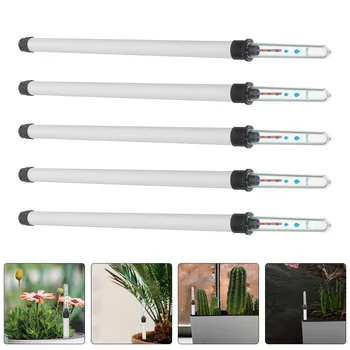
Quick test: Fill a pot, water thoroughly, then check if water drains within 30 seconds. If it pools longer, add more perlite.
Step 3: Provide Adequate Light
Herbs need 6‑8 hours of bright light daily. If natural light is insufficient (e.g., windows < 4 feet away), supplement with LED grow lights set to 12‑14 inches above the foliage.
- Use a 3000‑4000 K “daylight” spectrum for leafy growth.
- Run lights on a timer for 12 hours on/12 hours off to mimic natural cycles.
Step 4: Master Watering Techniques
Over‑watering is the #1 cause of indoor herb failure (reported by 42% of novice growers). Follow the “finger test”: insert your index finger 1‑2 cm into the soil; water only when the top feels dry.
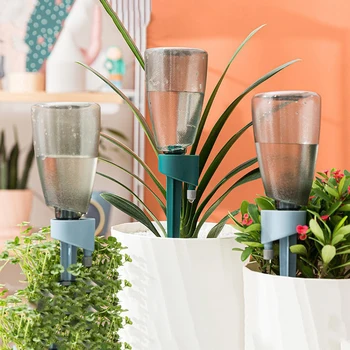
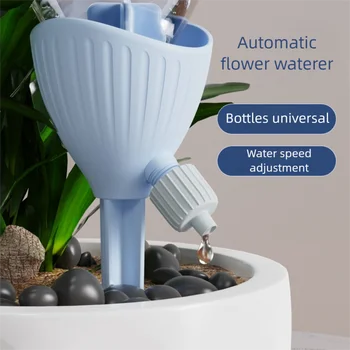
Pro tip: Bottom‑water by placing the pot in a shallow tray of water for 5‑10 minutes, then let excess drain. This encourages deep root growth.
Step 5: Fertilize Sparingly
Herbs are light feeders. Apply a balanced, water‑soluble fertilizer (10‑10‑10) at half the recommended strength once a month during the growing season. Over‑fertilizing can reduce flavor intensity.
Step 6: Prune Regularly for Continuous Harvest
Pinching back stems stimulates bushier growth and prevents flowering, which can make leaves bitter. For basil, pinch the top 1‑2 inches once the plant reaches 6 inches tall. For mint, trim runners to keep the plant compact.
Actionable tip: Harvest no more than one‑third of the plant at a time to avoid stress.
Step 7: Manage Pests Naturally
Indoor herbs can attract aphids, spider mites, and whiteflies. Use a mild neem oil spray (1 tsp per quart of water) once a week, or introduce beneficial insects like ladybugs in a small terrarium.
Data‑Driven Maintenance Calendar
Below is a month‑by‑month checklist that aligns with typical indoor climate patterns in the Northern Hemisphere. Adjust dates based on your local conditions.
| Month | Task | Key Metric |
|---|---|---|
| January | Check light intensity; add grow lights if < 150 µmol·m⁻²·s⁻¹ | Light meter reading |
| February | Rotate pots 90° weekly for even growth | Uniform leaf color |
| March | Begin monthly fertilization | Fertilizer dosage |
| April‑June | Harvest weekly; prune to prevent bolting | Harvest weight (g) |
| July‑September | Increase watering during hotter weeks (check weekly) | Soil moisture % |
| October | Reduce feed to ½ dose; prepare for lower light | Fertilizer frequency |
| November‑December | Trim back growth, move pots away from drafts | Leaf discoloration |
Boosting Flavor: Harvesting and Storage Hacks
Freshness is the secret to aromatic potency. Follow these quick actions:
- Morning harvest: Leaves contain peak essential oils before midday heat.
- Cut above a node: This encourages new shoots to emerge.
- Drying method: Hang small bunches upside‑down in a dark, ventilated area for 5‑7 days; store in airtight jars away from sunlight.
- Freezing: Chop herbs, place in ice‑cube trays with olive oil, freeze; perfect for sautéing.
SEO Boost: Optimizing Your Blog Post for Search Engines
To ensure this guide reaches a wide audience, incorporate the following on‑page SEO tactics:
- Use the primary keyword “indoor herb garden” in the first 100 words, H2 headings, and meta description.
- Include LSI keywords such as “grow basil indoors,” “herb garden lighting,” and “how to prune mint.”
- Add alt text to images (e.g., “basil plant in terracotta pot on windowsill”).
- Link to authoritative sources (e.g., USDA plant hardiness data, gardening universities).
- Implement a FAQ schema with questions like “How often should I water indoor herbs?” to capture featured snippets.
Final Checklist for a Successful Indoor Herb Garden
- ✅ Choose appropriate containers with drainage.
- ✅ Use a well‑draining potting mix (2:1:1 peat‑perlite‑vermiculite).
- ✅ Provide 6‑8 hrs of bright light or LED supplementation.
- ✅ Water using the finger test; bottom‑water when possible.
- ✅ Fertilize monthly at half strength.
- ✅ Prune regularly to prevent bolting and maintain flavor.
- ✅ Monitor for pests and treat with neem oil or beneficial insects.
- ✅ Harvest in the morning and store using drying or freezing methods.
By following this data‑driven, step‑by‑step plan, you’ll create a lush indoor herb garden that delivers fresh, aromatic ingredients for every meal, all year long. Happy growing!