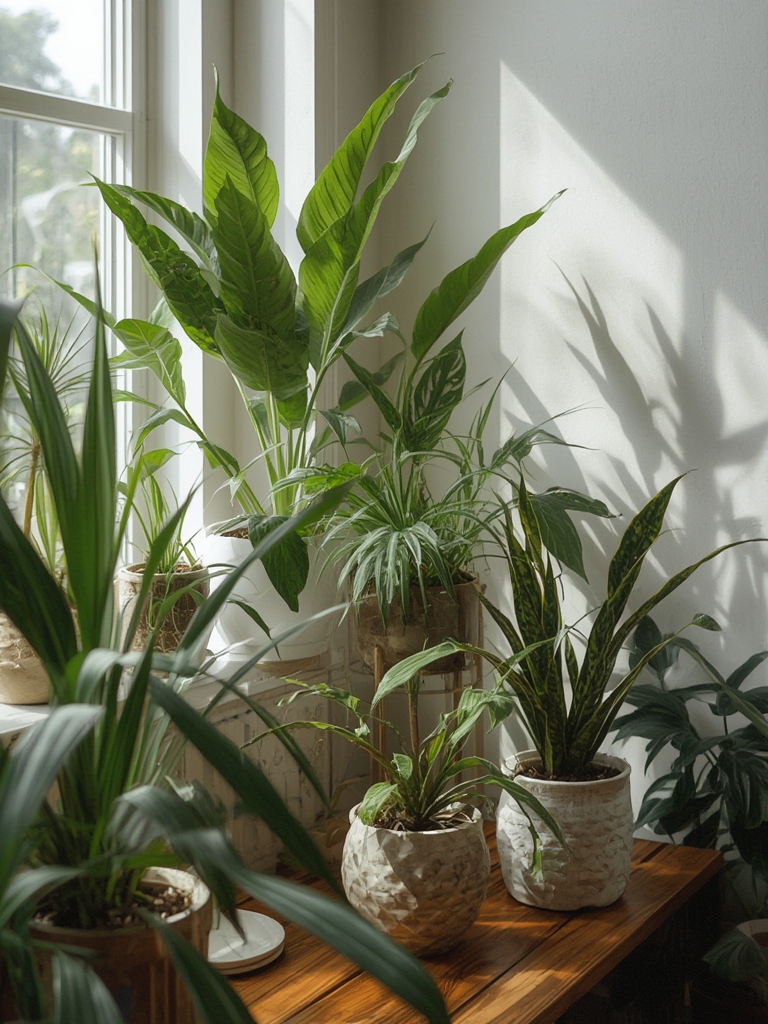
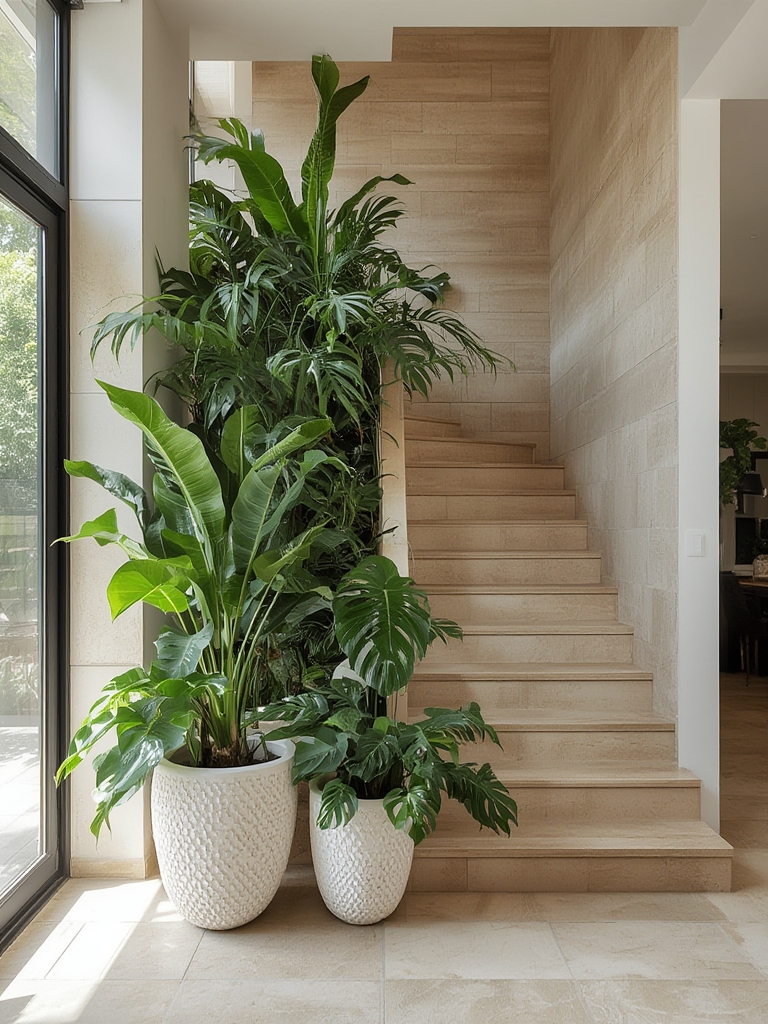
Indoor plants do more than just beautify a room—they improve air quality, boost mood, and create a natural sanctuary right where you live or work. Whether you’re a seasoned green‑thumb or just starting out, this data‑driven guide will walk you through every step needed to grow thriving indoor plants and extend that greenery into a sustainable retreat in even the smallest outdoor spaces.
1. Choose the Right Plant for Your Environment
Success begins with matching plant species to the conditions you can reliably provide. Use a simple spreadsheet to log light levels (hours of direct, indirect, or low light) and temperature ranges in each room. Then cross‑reference those data points with plant requirements from reputable databases (e.g., USDA Plant Hardiness, Royal Horticultural Society).
Actionable Tips
- Low‑light zones: Opt for ZZ Plant (Zamioculcas zamiifolia), Snake Plant (Sansevieria), or Pothos. These tolerate 1–2 hours of indirect light.
- Bright, sunny spots: Choose Fiddle Leaf Fig, Monstera deliciosa, or Succulents. Aim for at least 4–6 hours of direct sunlight.
- Temperature stability: Avoid drafts and keep most indoor plants between 65‑75°F (18‑24°C). If you have a heated or air‑conditioned room, select tolerant varieties like Spider Plant or Aloe Vera.
2. Master Light Management
Light is the most critical factor for photosynthesis. Use a light meter app or a cheap handheld lux meter to quantify the intensity in each location. Ideal lux ranges:
- Low light: 100–500 lux
- Medium light: 500–1,500 lux
- High light: 1,500–3,000+ lux
When natural light is insufficient, supplement with full‑spectrum LED grow lights set on a timer (12‑14 hours for foliage plants, 8‑10 hours for flowering varieties).
Practical Tricks
- Rotate pots 90° every two weeks to ensure even growth.
- Place reflective surfaces (e.g., a light-colored wall or foil) opposite the light source to bounce extra photons onto the plant.
- Use sheer curtains instead of blackout blinds to diffuse harsh midday sun and reduce leaf scorch.
3. Water Wisely – The Goldilocks Rule
Over‑watering kills more indoor plants than any other mistake. Conduct a “finger test” weekly: insert your index finger 1‑2 inches into the soil; if it feels dry, water. For a data‑driven approach, keep a simple log of watering dates, volume (ml), and soil moisture readings (if you have a moisture sensor).
Step‑by‑Step Watering
- Fill a pitcher with room‑temperature water (avoid cold tap water that can shock roots).
- Water slowly until you see excess draining from the bottom hole.
- Empty the saucer after 5 minutes to prevent root rot.
Tips for Specific Plant Types
- Cacti & Succulents: Water every 2‑3 weeks; let the soil dry completely between waterings.
- Foliage plants (e.g., Philodendron): Keep soil lightly moist; mist leaves once a week for added humidity.
- Orchids: Soak the pot in water for 10‑15 minutes once a week, then let it drain fully.
4. Soil, Repotting, and Drainage
Choosing the right growing medium is as important as watering. A well‑draining mix prevents waterlogged roots. For most indoor foliage, a blend of peat moss, perlite, and vermiculite (2:1:1) works well. For succulents, use a cactus mix with a higher sand component.
When to Repot
- Roots emerge from the bottom drainage holes.
- Plant appears top‑heavy or tips over easily.
- Soil looks compacted or has a strong odor.
Repot during the plant’s active growth phase (spring–early summer). Choose a pot that’s 1‑2 inches larger in diameter, add a layer of broken pottery or gravel at the bottom for extra drainage, and gently loosen the root ball before placing it in fresh soil.

5. Feeding – Nutrient Management
Indoor plants need a balanced supply of nitrogen (N), phosphorus (P), and potassium (K). Use a slow‑release granular fertilizer (e.g., 10‑10‑10) mixed into the potting mix at planting, or apply a liquid “balanced” fertilizer every 4‑6 weeks during the growing season.
Data‑Driven Feeding Schedule
- Record the date of each feeding in your plant log.
- Note any visible changes (leaf color, new growth).
- Adjust frequency if you see signs of over‑fertilization (leaf burn) or deficiency (yellowing).
6. Pest Prevention and Integrated Management
Even indoor sanctuaries can attract spider mites, aphids, or mealybugs. Early detection is key. Inspect the undersides of leaves weekly and use a magnifying glass for tiny pests.
Eco‑Friendly Control Methods
- Neem oil spray: Mix 1‑2 % neem oil with water; apply every 7‑10 days.
- Rubbing alcohol dip: For mealybugs, dip a cotton swab in 70 % isopropyl alcohol and dab directly on the insect.
- Beneficial insects: Introduce tiny predatory mites in larger indoor gardens or greenhouse setups.
7. Extending Greenery to Small Outdoor Spaces
Turn balconies, patios, or even a narrow windowsill into a sustainable retreat. The same data‑driven principles apply, with the added variable of weather.
Step‑by‑Step Outdoor Mini‑Retreat
- Assess micro‑climate: Measure sun exposure, wind patterns, and temperature fluctuations using a simple weather station or smartphone app.
- Select hardy, container‑friendly species: Lavender, Herbs (basil, thyme), Miniature citrus, and Compact ornamental grasses thrive in limited space.
- Choose appropriate containers: Use lightweight resin pots with drainage holes; line with a breathable fabric liner to prevent root rot.
- Implement a drip irrigation system: Connect a small timer‑controlled drip line to a water reservoir; this conserves water and delivers consistent moisture.
- Incorporate vertical gardening: Install a wall‑mounted pocket planter or a trellis for climbing vines (e.g., Morning Glory or Sweet Pea).
- Add compost and mulch: Mix a handful of organic compost into the potting mix for nutrients, then top with a thin layer of bark mulch to retain moisture.
Quick Wins for Sustainability
- Collect rainwater in a small barrel and use it for irrigation.
- Rotate containers weekly to balance sun exposure and prevent uneven growth.
- Use reclaimed wood or upcycled pallets as planters to reduce waste.
8. Monitoring Success – Simple Metrics
Track progress with three easy metrics:
- Growth rate: Measure leaf length or plant height monthly.
- Health score: Rate leaf color, firmness, and pest presence on a 1‑5 scale.
- Water usage: Log liters per week; aim to reduce by 10 % each month through better mulching and efficient watering.
Review the data quarterly. If growth stalls or health scores dip, revisit the light, water, and nutrient logs to pinpoint the issue.
Conclusion – Your Personal Green Oasis
By combining data‑driven care routines with practical, low‑effort actions, you can transform any indoor space—and even the tiniest outdoor nook—into a thriving, sustainable retreat. Consistency, observation, and a willingness to adjust based on real‑world feedback are the keys to long‑term success. Start small, log your observations, and watch your indoor jungle—and adjoining micro‑garden—flourish.