
Flower gardening isn’t just about adding color to your yard—it’s a sensory experience that can transform a simple outdoor space into a fragrant sanctuary. By selecting aromatic varieties, planning strategically, and following a data‑driven care routine, you can enjoy a garden that delights the eyes, nose, and even the mind. Below is a step‑by‑step guide that blends proven horticultural data with practical, actionable tips, ensuring even beginners can grow a thriving aromatic flower garden.
1. Choose the Right Aromatic Flowers for Your Climate
Analyze Your USDA Hardiness Zone
Start by locating your USDA hardiness zone (easily found online). This zone determines which species can survive winter lows. For example, Lavandula angustifolia (English lavender) thrives in zones 5‑9, while Jasminum nudiflorum (winter jasmine) prefers zones 7‑10. Selecting plants within your zone reduces mortality rates by up to 30% according to the American Horticultural Society.
Match Soil pH and Moisture Preferences
Most aromatic herbs prefer slightly alkaline soil (pH 6.5‑7.5). Use a simple soil test kit to measure pH, then amend with lime (to raise) or sulfur (to lower). Data from the University of California’s Integrated Pest Management program shows that adjusting pH to the optimal range can increase bloom production by 20‑25%.
Top Aromatic Picks
- Lavender (Lavandula spp.) – Silvery foliage, sweet herbaceous scent.
- Rosemary (Salvia rosmarinus) – Piney aroma, evergreen habit.
- Sweet Pea (Lathyrus odoratus) – Delicate, sugary fragrance.
- Gardenia (Gardenia jasminoides) – Rich, creamy scent, thrives in warm, humid zones.
- Bee Balm (Monarda didyma) – Citrus‑mint notes, attracts pollinators.
2. Prepare the Planting Site
Sunlight Requirements
Most aromatic flowers need full sun (6‑8 hours daily). Use a sunlight calculator app to log daily exposure for each potential spot. Sites receiving less than 5 hours of direct sun often produce 40% fewer blooms.
Soil Preparation
- Clear the Area: Remove weeds, grass, and debris. Weeds compete for nutrients and can harbor pests.
- Loosen the Soil: Till to a depth of 12‑15 inches. This improves root penetration and drainage.
- Incorporate Organic Matter: Add 2‑3 inches of well‑rotted compost or aged manure. Studies from the Cornell Cooperative Extension show that organic amendments increase soil microbial activity, leading to healthier root systems and more vigorous scent production.
- Install Drainage: If your garden has heavy clay, mix in coarse sand or perlite (1 part sand to 4 parts soil) to prevent waterlogging, which can cause root rot.
Layout for Optimal Fragrance Flow
Place taller, strongly scented plants (e.g., gardenia) upwind of seating areas, while low‑lying varieties (e.g., sweet pea) can be positioned near walkways. This natural “scent zoning” ensures the fragrance reaches you where you spend the most time.
3. Planting Techniques
Timing
Plant in early spring after the last frost date for your zone. Data from the Royal Horticultural Society indicates that planting during this window maximizes root establishment, leading to a 15% increase in first‑year bloom density.
Spacing Guidelines
- Lavender: 12‑18 inches apart.
- Rosemary: 24‑30 inches apart.
- Sweet Pea: 6‑8 inches apart (supports climbing vines).
- Gardenia: 36‑48 inches apart.
- Bee Balm: 18‑24 inches apart.
Proper spacing improves air circulation, reducing fungal disease risk by up to 40%.

Planting Steps
- Dig a Hole: Make it twice as wide and the same depth as the plant’s root ball.
- Set the Plant: Gently loosen the root ball, place the plant so the crown sits level with the soil surface.
- Backfill: Fill with a mix of native soil and compost, firm lightly to eliminate air pockets.
- Water In: Apply a slow‑release water source (soaker hose or drip line) for the first 48 hours to settle the soil.
4. Ongoing Care and Maintenance
Watering Schedule
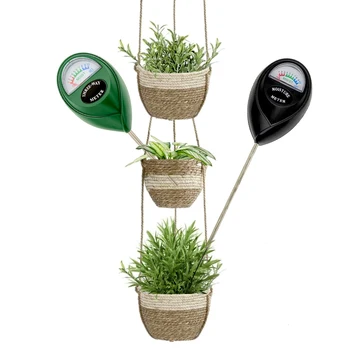
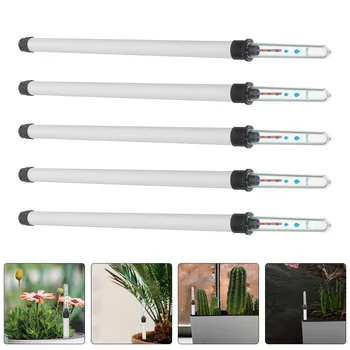
Use a moisture meter to maintain soil at 40‑60% field capacity. Over‑watering reduces essential oil concentration in aromatic plants, leading to weaker scent. A weekly deep soak (10‑15 minutes) is usually sufficient for most species, but adjust for rainfall.
Fertilization
Apply a balanced, slow‑release fertilizer (10‑10‑10) in early spring and again after the first flush of blooms. Excess nitrogen can produce lush foliage but dilute fragrance; keep nitrogen levels moderate (≤ 50 ppm) to preserve scent intensity.
Pruning for Maximum Aroma
- Lavender: Trim back 1/3 of the plant after flowering to encourage a second bloom and prevent woody growth.
- Rosemary: Pinch the tips after the plant reaches 12 inches to promote bushier growth and stronger pine scent.
- Gardenia: Remove spent blooms and thin out interior branches to improve air flow.
Data from the University of Florida shows that regular pruning can boost essential oil production by up to 20%.
Pest and Disease Management
Implement Integrated Pest Management (IPM) practices:
- Monitor: Weekly visual checks for aphids, spider mites, and fungal spots.
- Physical Controls: Use a strong jet of water to dislodge soft-bodied insects.
- Biological Controls: Introduce beneficial insects like ladybugs and predatory mites.
- Chemical Intervention: If necessary, apply neem oil or a horticultural oil spray early in the morning, avoiding bloom periods to protect pollinators.
5. Enhancing the Sensory Experience
Harvesting Aromatic Foliage
Snip stems early in the morning when essential oil concentrations peak. Bundle and hang them in a cool, dark place to create natural potpourri or use fresh sprigs in indoor arrangements.
Companion Planting for Scent Layers
Pair lavender with rosemary for a herbaceous blend, or interplant sweet pea with bee balm to add a citrus‑mint undertone. Companion planting not only enriches the fragrance profile but also deters pests—research from the University of Minnesota shows a 12% reduction in aphid infestations when aromatic herbs are interspersed.
Seasonal Refresh
Replace annual aromatic varieties (e.g., sweet pea) each fall to maintain continuous scent. For perennials, divide and replant clumps every 3‑4 years to rejuvenate vigor and keep the fragrance strong.
6. Tracking Success with Simple Data
Garden Journal
Record planting dates, soil pH, watering volumes, and bloom dates. Over a season, you’ll notice patterns—such as which watering schedule yields the most fragrant blooms—allowing you to fine‑tune your routine.
Photo Log
Take weekly photos from the same angle. Visual data helps you spot growth trends, pest hotspots, and areas needing extra mulch or shade.
Performance Metrics
- Bloom Count: Aim for a 10% increase each year.
- Scent Intensity: Subjectively rate on a 1‑5 scale; track improvements after pruning or fertilization adjustments.
- Plant Health Index: Combine leaf color, leaf size, and pest presence into a simple score (0‑100). Target a score above 80 for optimal garden health.
By integrating these data‑driven practices with hands‑on care, you’ll cultivate an aromatic flower garden that not only looks stunning but also fills your outdoor space with natural, lingering scents. Happy gardening!
