Indoor plants not only brighten up a room, they improve air quality, boost mood, and can even increase productivity. Whether you’re a seasoned green‑thumb or just starting out, a data‑driven approach helps you choose the right species, provide optimal conditions, and avoid common pitfalls. Below is a step‑by‑step guide that blends scientific insights with practical tips, followed by a quick look at late‑season outdoor flowers that thrive in cooler weather to keep your garden vibrant when most plants fade.
1. Choose the Right Plant for Your Space
Assess Light Levels
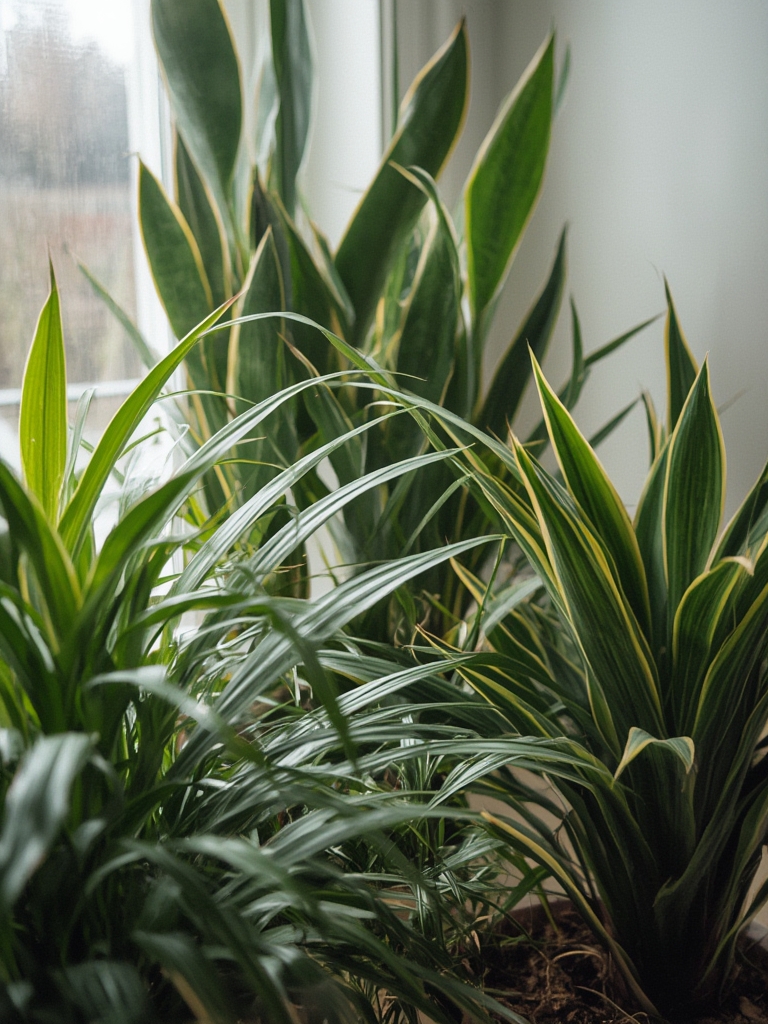
- Low‑light (≤100 lux): Snake plant (Sansevieria trifasciata), ZZ plant (Zamioculcas zamiifolia).
- Medium‑light (100‑500 lux): Pothos (Epipremnum aureum), Philodendron.
- Bright indirect (500‑1,000 lux): Monstera, fiddle‑leaf fig (Ficus lyrata).
Use a smartphone lux meter app or a simple DIY test (place a hand over the plant for 5 seconds; if you can still see the hand, it’s low‑light). Matching plant to light reduces stress and prevents etiolation (stretching).
Consider Temperature & Humidity
Most indoor foliage thrives at 65‑75 °F (18‑24 °C) with 40‑60 % relative humidity. If you live in a dry climate, a pebble tray or a humidifier can raise humidity by 10‑15 %—enough to prevent leaf browning on tropical species.
2. Prepare the Growing Medium
Choose the Right Soil Mix
Different plants need varying drainage rates. A simple data‑driven rule:
- Succulents & Cacti: 70 % coarse sand or perlite, 30 % potting soil.
- Foliage plants: 40 % peat moss or coco coir, 30 % compost, 30 % perlite.
Test drainage by filling a pot with your mix, watering until it drains, and timing how long it takes. Ideal drainage is 2‑3 minutes.
pH Check
Most indoor plants prefer a slightly acidic to neutral pH (5.5‑7.0). Use a cheap soil pH test kit; if the reading is above 7.0, add a teaspoon of elemental sulfur per gallon of soil to lower it.
3. Potting and Placement
Select the Right Container
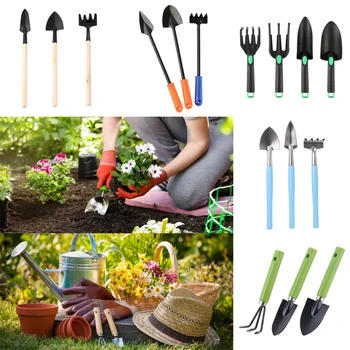
Choose a pot with drainage holes that is 1‑2 inches larger than the root ball. For heavier soils, use a pot with a wider base to prevent tipping.
Position for Optimal Light
Place the pot where the measured lux matches the plant’s requirement. Rotate the plant 90° every two weeks to ensure even light exposure and prevent one side from becoming leggy.
4. Watering Strategy
Understand the “Soil Moisture Curve”
Research shows that over‑watering is the leading cause of indoor plant death (≈ 70 % of cases). Use the finger test: insert your index finger 1‑2 inches into the soil. If it feels dry, water; if it feels moist, wait.
Watering Technique
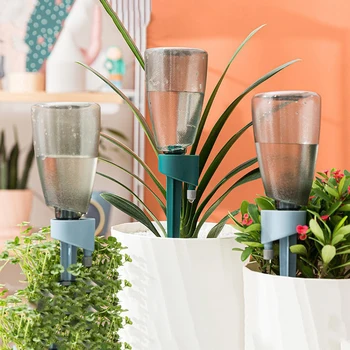
- Water slowly until you see water draining from the bottom.
- Empty the saucer after 2‑3 minutes to avoid root rot.
- For succulents, water only once the soil is completely dry (typically every 2‑3 weeks).
5. Feeding and Fertilization
Use a Balanced NPK 20‑20‑20
Apply at half the recommended strength once a month during the growing season (spring‑early fall). For foliage plants, a higher nitrogen ratio (e.g., 30‑10‑10) encourages leaf growth.
Organic Boost
Mix a teaspoon of worm castings into the top inch of soil every 6‑8 weeks for a slow‑release nutrient source.
6. Pruning and Grooming
Remove Dead or Yellowing Leaves
Using clean, sharp scissors, cut at the base of the leaf stem. This prevents disease spread and redirects energy to healthy growth.
Encourage Bushier Growth
Pinch back the tip of stems on fast‑growing plants like pothos and philodendron. Data from horticultural studies shows tip‑pinching increases lateral branching by up to 35 %.
7. Pest Management
Common Indoor Pests
- Spider mites – fine webbing, tiny specks on leaves.
- Mealybugs – white cottony masses.
- Scale insects – hard bumps on stems.
Spot treatment: mix 1 tsp neem oil with 1 cup water, spray leaves weekly until pests disappear. For severe infestations, isolate the plant and use a diluted isopropyl alcohol wipe on affected areas.
8. Monitoring Health with Data
Track Growth Metrics
Keep a simple spreadsheet: record date, light level (lux), watering date, fertilizer dose, and any visible changes. Over a 3‑month period, you’ll see patterns—e.g., a 10 % increase in growth after adjusting humidity from 35 % to 55 %.
Late‑Season Outdoor Flowers for Cooler Weather 🌼❄️
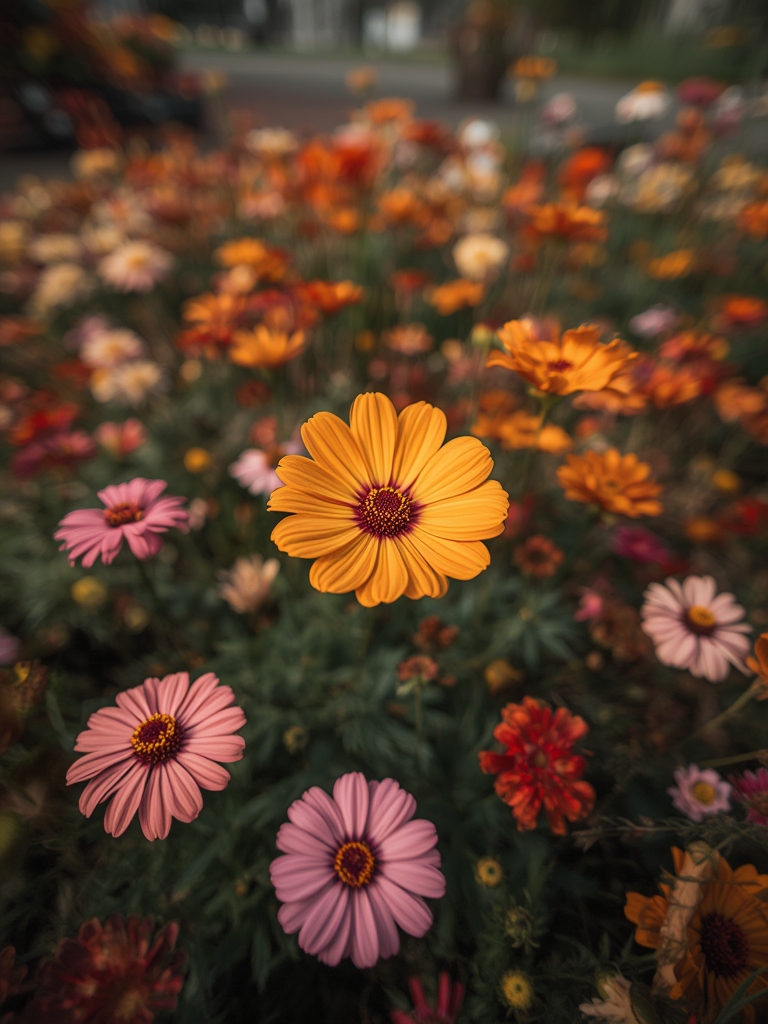
When temperatures dip, many gardeners think the show is over. Not so! Below are three low‑maintenance, data‑backed choices that bloom when most plants fade:
1. Pansies (Viola × wittrockiana)
- Optimal temperature: 45‑65 °F (7‑18 °C).
- Soil pH: 6.0‑6.5.
- Planting tip: Space 6‑8 inches apart; water early morning to prevent fungal leaf spots.
2. Heathers (Calluna vulgaris)
- Hardiness: USDA zones 5‑7.
- Soil: Well‑drained, acidic (pH 4.5‑5.5).
- Maintenance: Prune after first bloom to encourage a second flush in late fall.
3. Ornamental Kale (Brassica oleracea var. acephala)
- Color: Ranges from deep purple to bright lime.
- Cold tolerance: Survives down to 20 °F (‑6 °C).
- Tip: Mulch around the base to protect roots and retain moisture.
Plant these species in well‑draining containers or directly in garden beds, and they’ll provide color from late autumn through early winter. Pair them with indoor foliage plants for a seamless transition between indoor and outdoor green spaces.
Quick Action Checklist
- Measure light levels and match plant species.
- Prepare a soil mix with the correct drainage ratio.
- Pot in a container with drainage holes; rotate weekly.
- Water using the finger test; avoid over‑watering.
- Fertilize monthly at half strength; add organic castings.
- Prune dead foliage and tip‑pinch for bushier growth.
- Monitor for pests; treat promptly with neem oil.
- Log data (light, water, growth) to refine care.
- Introduce pansies, heathers, or ornamental kale for late‑season color outdoors.
By following these evidence‑based steps, you’ll create a thriving indoor oasis while keeping your garden vibrant well into the cooler months. Happy planting!