

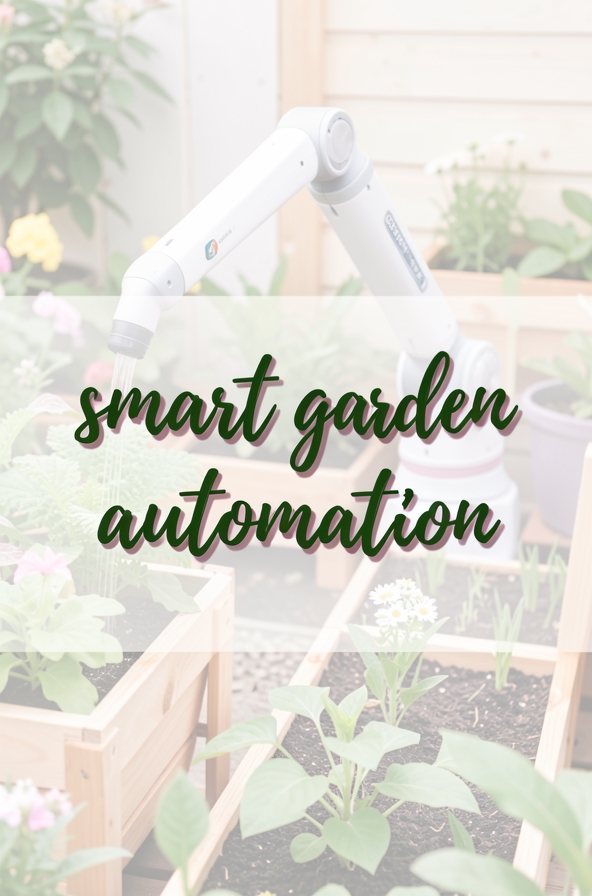
Welcome to the world of garden automation! Whether you have a small balcony herb garden or a sprawling backyard, adding a touch of technology can make caring for your plants easier, more efficient, and even more fun. This beginner’s guide walks you through the essential steps, tools, and tips you need to start automating your garden today. By the end, you’ll have a clear roadmap to set up smart watering, lighting, and monitoring systems that keep your garden thriving with minimal daily effort.
Why Automate Your Garden?
Automation isn’t just for high‑tech homes; it’s a practical way to solve common gardening challenges:
- Consistent watering: Prevent over‑ or under‑watering, especially during hot spells or when you’re away.
- Optimized lighting: Provide the right amount of light for indoor or shaded plants using timers and smart LEDs.
- Real‑time monitoring: Track soil moisture, temperature, and humidity to catch problems before they affect growth.
- Time savings: Free up hours each week for other garden tasks or simply enjoy your green space.
Getting Started: Core Components
1. Smart Irrigation Systems
The heart of most garden automation projects is a reliable watering system. Here are the basic options:
- Drip irrigation kits: Easy to install, they deliver water directly to the root zone, reducing waste.
- Soil moisture sensors: Connect to a controller that turns the pump on only when the soil is dry.
- Wi‑Fi or Bluetooth controllers: Allow you to set schedules and adjust settings from your smartphone.
When choosing a system, match the flow rate to your plant’s needs and consider a battery‑powered controller if you have limited power outlets.
2. Automated Lighting
Indoor gardeners or those with shaded beds can benefit from smart lighting:
- LED grow lights: Energy‑efficient and customizable spectrum.
- Timer plugs or smart bulbs: Set daily on/off cycles that mimic natural daylight.
- Light sensors: Adjust brightness based on ambient light levels.
Start with a simple timer plug, then upgrade to a full-spectrum LED system as you become more comfortable.
3. Environmental Sensors
To truly automate, you need data. The most useful sensors for beginners are:
- Soil moisture probes: Measure water content at root depth.
- Temperature & humidity sensors: Help you decide when to ventilate or protect plants.
- Rain detectors: Prevent watering during a storm.
Many sensor kits integrate with popular platforms like Google Home, Alexa, or dedicated garden apps, giving you real‑time alerts on your phone.
Step‑by‑Step Setup Guide
Step 1: Map Your Garden
Sketch a simple layout showing plant locations, sun exposure, and water sources. This visual helps you decide where to place sensors, drip lines, and power outlets.
Step 2: Install the Irrigation Network
- Lay out the main tubing along your garden beds, securing it with stakes.
- Attach drip emitters or micro‑sprinklers at each plant, adjusting flow rates as needed.
- Connect the tubing to a water source (hose bib or rain barrel) using a backflow preventer.
Step 3: Add Sensors and Controllers
- Insert soil moisture probes at root depth for each major plant group.
- Mount temperature/humidity sensors in a shaded spot, away from direct sun.
- Link all sensors to a central controller (e.g., a Wi‑Fi irrigation hub).
Step 4: Configure Smart Schedules
Using the controller’s app, set watering thresholds based on sensor readings. For example, water when soil moisture drops below 30 % and pause when rain is detected. Start with a conservative schedule and adjust after a week of observation.
Step 5: Set Up Lighting (If Needed)
- Hang LED grow lights at the recommended height for your plant type.
- Plug the lights into a smart timer or a smart plug.
- Program the on/off cycle to match the plant’s photoperiod (e.g., 14 hours on, 10 hours off for tomatoes).
Practical Tips for Success
- Test before you trust: Run the system manually for a day to ensure water reaches every plant.
- Calibrate sensors: Soil moisture readings can vary by soil type; use the “wet” and “dry” calibration settings provided by the manufacturer.
- Use mulch: A thin layer of organic mulch helps retain moisture, reducing the frequency of watering cycles.
- Check for leaks: Inspect tubing and connections weekly, especially after the first frost or heavy rain.
- Back up power: If you rely on a pump, consider a small UPS or battery backup to avoid missed watering during power outages.
Common Mistakes to Avoid
Over‑watering
Even the smartest system can over‑water if the moisture threshold is set too high. Start with a lower threshold and increase only if plants show signs of stress.
Ignoring Seasonal Changes
What works in summer may over‑water in spring or under‑water in heatwaves. Adjust schedules monthly based on weather forecasts and sensor data.
Placing Sensors in the Wrong Spot
Embedding a moisture probe in a pot of succulents and another in a water‑loving fern will give misleading averages. Use separate sensors for plants with different water needs.
Neglecting Maintenance
Clogged emitters, dead batteries, or firmware updates can silently degrade performance. Schedule a quick 10‑minute check‑up each week.
Scaling Up: From One Bed to a Whole Garden
Once you’re comfortable with a single automated bed, you can expand:
- Zone the garden: Group plants with similar water and light requirements and assign each zone its own controller.
- Integrate with weather APIs: Some controllers pull local weather data to automatically skip watering on rainy days.
- Add cameras: Visual monitoring helps you spot pests or disease early, complementing sensor data.
Remember, automation is a tool, not a replacement for observation. A quick visual check each week will catch issues that sensors can’t detect.
Conclusion
Automating your garden is an empowering step that blends the joy of planting with the convenience of modern technology. By starting with a simple drip system, adding a few reliable sensors, and setting thoughtful schedules, you’ll create a low‑maintenance oasis that thrives even when life gets busy. Embrace the learning curve, keep an eye on your plants, and enjoy the extra time you gain to savor the fruits (and vegetables) of your labor. Happy gardening!