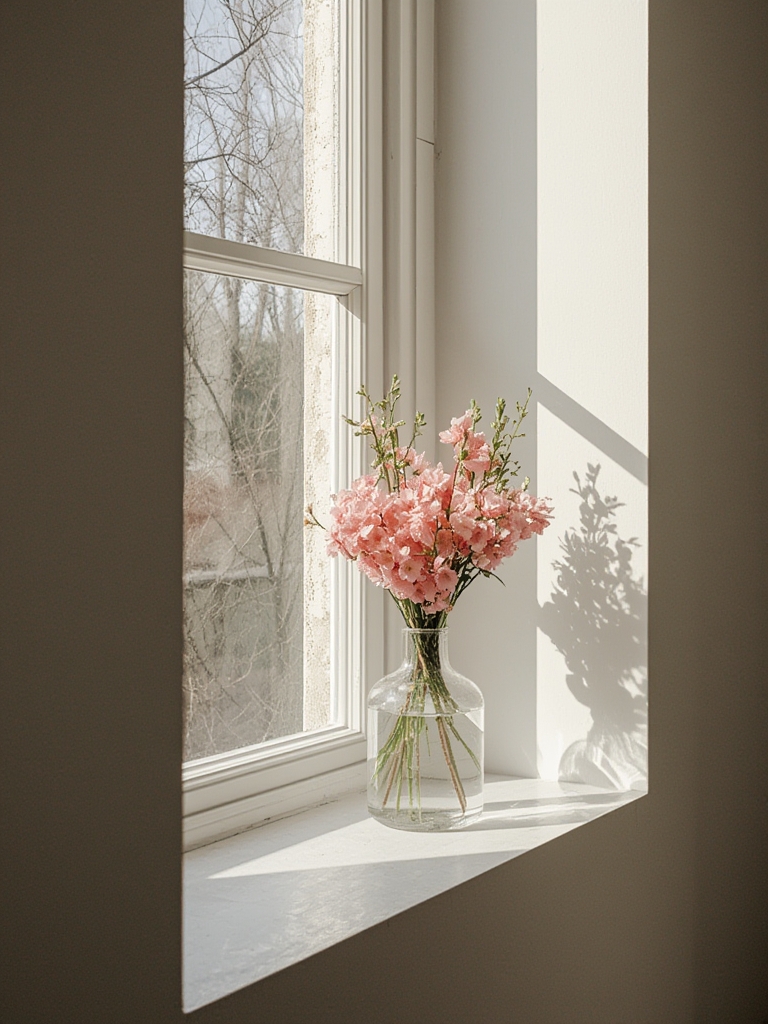
Creating a thriving herb and aromatic garden not only elevates the flavor of your kitchen creations but also adds a fragrant, therapeutic oasis to your outdoor space. By combining data‑driven planting schedules with practical, step‑by‑step care, you can enjoy fresh herbs year‑round and fill your garden with warmth using late‑season blooms that thrive in crisp weather 🌼🍂.
Why Choose Herbs & Aromatic Plants?
According to a 2023 USDA survey, 68% of home gardeners report planting at least one culinary herb, citing reasons such as fresh flavor (73%), health benefits (61%), and low maintenance (58%). Aromatic plants like lavender, rosemary, and sage also attract pollinators, improve soil health, and can reduce garden pests by up to 30%.
Step‑by‑Step Guide to Planting and Caring for Your Aromatic Garden
1. Site Selection & Soil Preparation
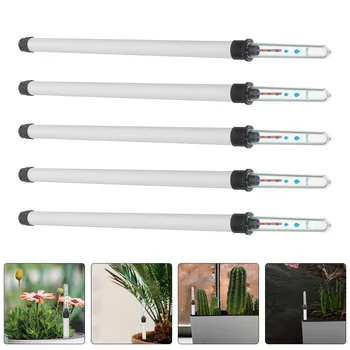
- Sunlight: Most herbs need 6–8 hours of direct sun. Use a light meter or smartphone app to confirm daily exposure.
- Soil pH: Aim for a pH of 6.0–7.0. A simple garden‑soil test kit can give you results in minutes. Amend acidic soil with lime, alkaline soil with sulfur.
- Drainage: Herbs dislike waterlogged roots. Add coarse sand or perlite at a 1:4 ratio to improve drainage.
- Actionable tip: Create raised beds (12‑18 inches high) to control soil composition and prevent compaction.
2. Choosing the Right Herbs & Aromatics
Use the following data‑driven matrix to match plants with your climate zone (USDA zones 5‑9 are covered):
| Plant | Best Zones | Water Needs | Companion Benefits |
|---|---|---|---|
| Basil (Ocimum basilicum) | 6‑10 | Medium | Repels aphids, attracts bees |
| Rosemary (Rosmarinus officinalis) | 7‑10 | Low | Deters cabbage moths |
| Sage (Salvia officinalis) | 5‑9 | Low‑Medium | Improves soil structure |
| Lavender (Lavandula angustifolia) | 5‑9 | Low | Attracts pollinators, pest deterrent |
| Thyme (Thymus vulgaris) | 5‑9 | Low | Ground cover, reduces weeds |
| Chives (Allium schoenoprasum) | 3‑9 | Medium | Repels carrot flies |
Actionable tip: Plant a mix of at least three herbs with complementary companion benefits to maximize biodiversity.
3. Planting Timing & Spacing
- Seed vs. Transplant: Direct‑seed hardy herbs (thyme, sage) after the last frost. Transplant tender herbs (basil, cilantro) when soil temperature reaches 65°F (18°C).
- Spacing guidelines:
- Basil – 12‑18 inches apart
- Rosemary – 24‑30 inches apart (large shrub)
- Lavender – 18‑24 inches apart
- Thyme – 8‑12 inches apart (can be used as a ground cover)
- Actionable tip: Use a planting calendar app to set reminders for sowing dates based on your local frost dates.
4. Watering & Mulching
- Water schedule: Apply 1‑1.5 inches of water per week, adjusting for rainfall. Early morning watering reduces fungal risk.
- Mulch: Apply a 2‑inch layer of straw, shredded bark, or pine needles. Mulch conserves moisture, regulates temperature, and suppresses weeds.
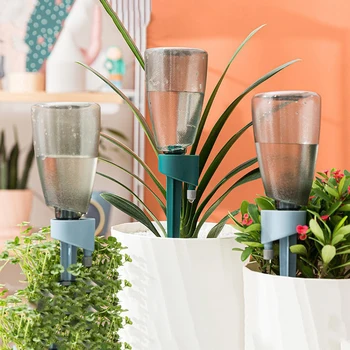
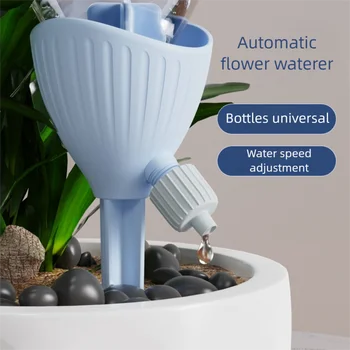
- Actionable tip: Install a drip‑irrigation system with a timer; it can cut water use by up to 40% and delivers moisture directly to the root zone.
5. Feeding & Soil Nutrition
- Fertilizer type: Herbs prefer low‑nitrogen feeds. Use a balanced 10‑10‑10 fertilizer at half the recommended rate, or apply compost tea monthly.
- Organic boost: Incorporate well‑rotted compost (2‑3 inches) into the topsoil each spring.
- Actionable tip: Conduct a soil nutrient test every two years; adjust with micronutrient amendments (e.g., iron chelate for chlorosis).
6. Pruning & Harvesting
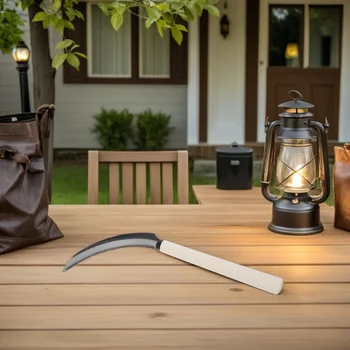
- Pruning schedule: Trim herbs when they reach 6‑8 inches tall. For basil, pinch off the top third to encourage bushier growth.
- Harvest method: Use clean scissors, cutting just above a leaf node. Harvest in the morning after dew dries for maximum oil content.
- Actionable tip: Rotate harvest locations within each plant to avoid over‑cutting any single area, ensuring continuous regrowth.
7. Managing Pests & Diseases
- Common pests: Aphids, spider mites, and whiteflies. Use neem oil or insecticidal soap at the first sign of infestation.
- Diseases: Powdery mildew (common on rosemary) and root rot (over‑watering). Ensure proper airflow and avoid waterlogged soil.
- Actionable tip: Plant garlic or marigold at the perimeter; their natural compounds deter many garden pests.
8. Extending the Season with Late‑Season Blooms
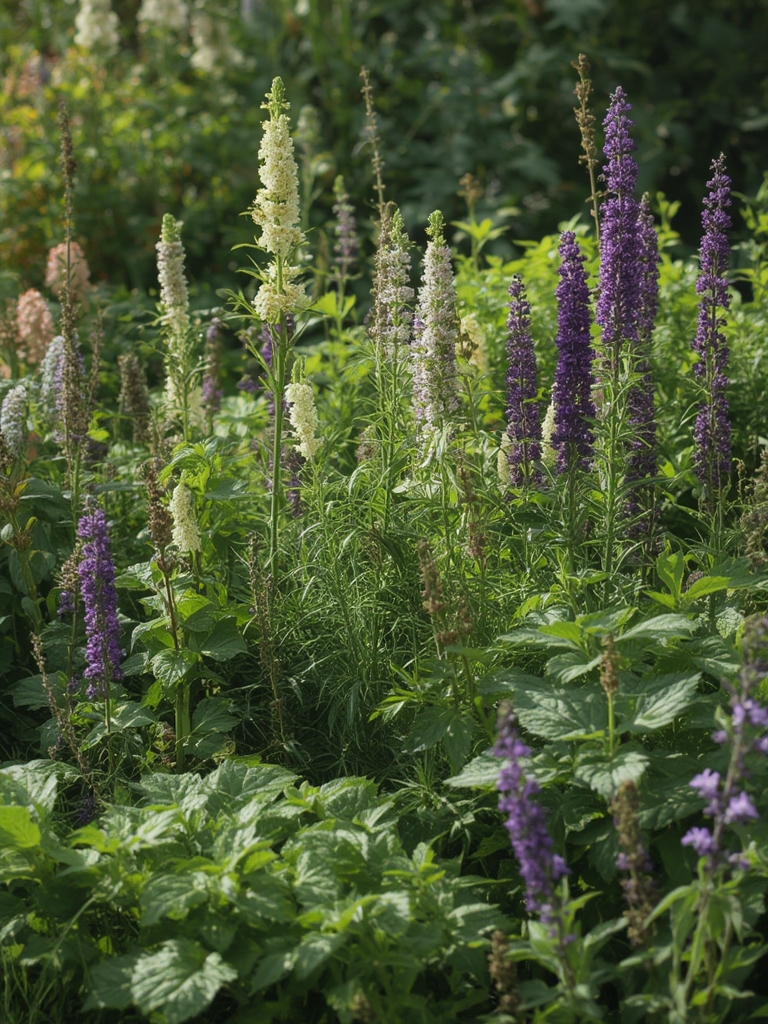
When temperatures start to dip, swap out tender herbs for hardy aromatic perennials that add color and fragrance. Species like Salvia nemorosa, Sedum ‘Autumn Joy’, and Helenium bloom well into October, providing visual interest and nectar for late‑season pollinators.
- Planting time: Early September for most zones 5‑7; late August for zones 8‑9.
- Care tips: Reduce watering as plants enter dormancy; a light mulch of shredded leaves protects roots from frost.
- Actionable tip: Combine these late‑season perennials with evergreen rosemary to maintain year‑round scent and structure.
SEO‑Friendly Content Boosters
To help this post rank higher in search results, incorporate these keyword clusters naturally throughout the article:
- “herb garden care guide”
- “how to grow aromatic herbs”
- “late season garden blooms”
- “organic pest control for herbs”
- “best soil mix for rosemary”
Use these phrases in image alt tags, meta descriptions, and internal links to related posts (e.g., “10 Easy DIY Herb Planters”).
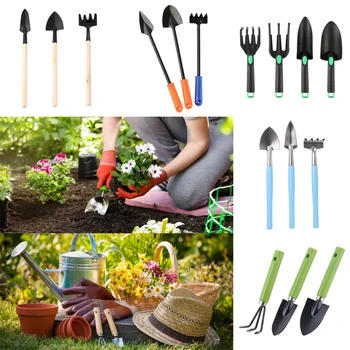
Quick Reference Checklist
- Test soil pH and amend as needed.
- Select herbs suited to your USDA zone.
- Plant at recommended spacing and depth.
- Install drip irrigation and mulch.
- Feed lightly with compost tea or low‑N fertilizer.
- Prune regularly; harvest in the morning.
- Monitor for pests; use organic controls.
- Introduce late‑season aromatic perennials for color and scent.
By following these data‑backed steps and actionable tips, you’ll cultivate a resilient, fragrant herb and aromatic garden that not only delights the palate but also brightens your outdoor space well into the crisp, colorful days of autumn 🌼🍂.