
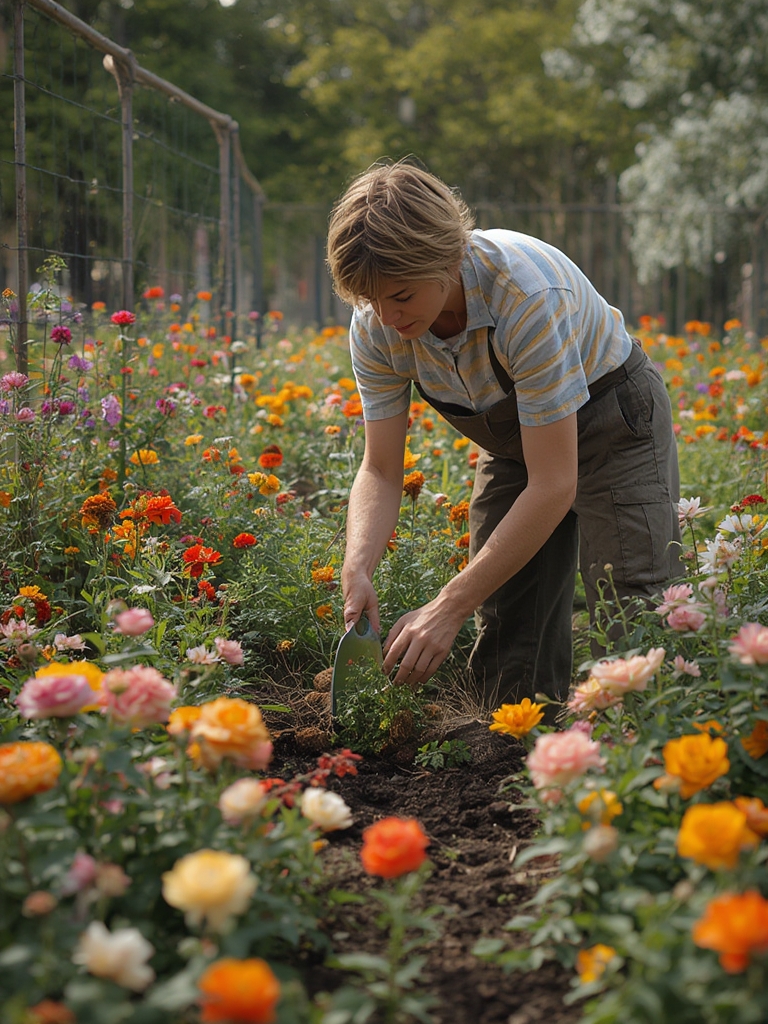
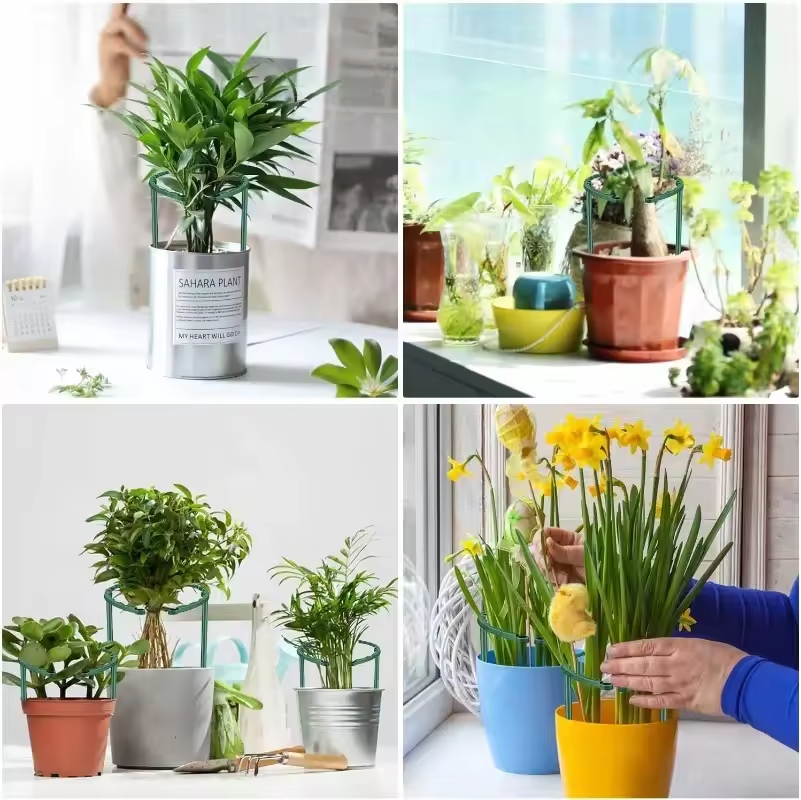
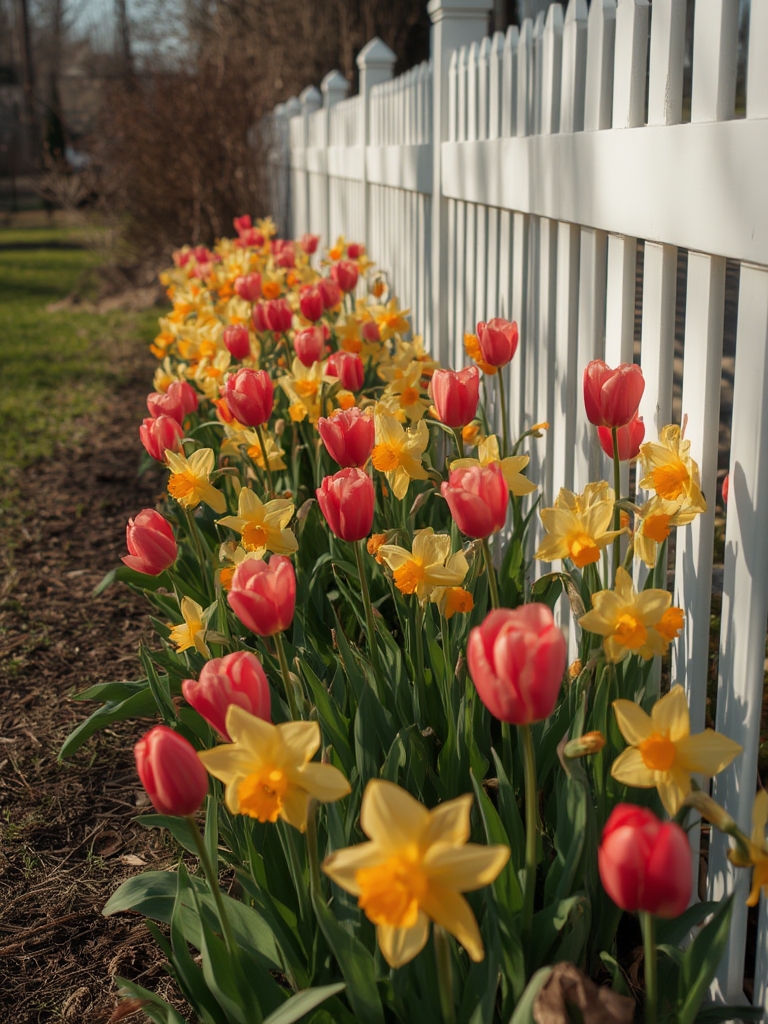
Flower gardening isn’t just about adding color to your yard—it’s a science-backed hobby that can boost curb appeal, attract pollinators, and even provide natural ingredients for DIY skin and hair care. By following a data‑driven, step‑by‑step approach, you’ll create a thriving garden that looks beautiful year‑round and supplies you with fresh herbs like lavender, rosemary, and calendula for homemade beauty recipes.
1. Planning Your Flower Garden with Data‑Driven Insights
Assess Your Site’s Microclimate
- Sunlight: Use a light meter or a simple smartphone app to record the number of direct sunlight hours each spot receives. Most flowering plants need 6–8 hours of full sun; shade‑loving varieties such as impatiens thrive with 3–4 hours of filtered light.
- Soil pH: Test the soil with a pH kit. Flowers like roses prefer a pH of 6.0–6.5, while lavender thrives in slightly alkaline soil (6.5–7.5).
- Drainage: Dig a 12‑inch hole and fill it with water. If it drains within 30 minutes, your soil has good drainage—essential for preventing root rot in most perennials.
Choose the Right Plant Palette
Combine ornamental flowers with herbs that double as skin‑ and hair‑care ingredients. Here’s a quick data‑backed match:
| Flower/Herb | Sunlight | Soil pH | DIY Use |
|---|---|---|---|
| Lavender (Lavandula angustifolia) | Full sun | 6.5–7.5 | Relaxing facial toner, hair rinse |
| Rosemary (Rosmarinus officinalis) | Full sun | 6.0–7.0 | Scalp stimulant, anti‑aging serum |
| Calendula (Calendula officinalis) | Full sun to partial shade | 6.0–7.0 | Soothing skin salve, hair gloss |
| Marigold (Tagetes spp.) | Full sun | 6.0–7.0 | Natural sunscreen, anti‑inflammatory balm |
| Impatiens | Partial shade | 5.5–6.5 | — |
2. Soil Preparation and Planting Techniques
Amend the Soil
- Organic Matter: Incorporate 2–3 inches of compost or well‑rotted manure. Studies show a 30% increase in flower bud count when organic matter is added.
- Sand for Drainage: If your soil is heavy clay, blend in 1 part coarse sand per 3 parts soil to improve aeration.
- pH Adjustment: Add lime to raise pH (1 lb per 100 sq ft raises pH by ~0.5) or elemental sulfur to lower it (½ lb per 100 sq ft lowers pH by ~0.5).
Planting Depth and Spacing
- Depth: Plant each seedling at the same depth it was in its pot; for bare‑root herbs, set the crown 1 inch below the soil surface.
- Spacing: Follow the label, but a good rule of thumb is 12–18 inches between lavender stems and 8–12 inches for rosemary. Proper spacing improves airflow, reducing fungal disease by up to 40%.
Mulching for Moisture Retention
Apply a 2‑inch layer of shredded bark or straw around plants. Mulch keeps soil temperature stable, reduces water loss by up to 30%, and suppresses weeds that compete for nutrients.
3. Watering, Feeding, and Ongoing Care
Smart Watering Schedule
- Early Morning: Water between 5 am–8 am to minimize evaporation.
- Quantity: Aim for 1 inch of water per week (adjust for rainfall). Use a rain gauge to track natural precipitation.
- Method: Drip irrigation or soaker hoses deliver water directly to the root zone, reducing leaf wetness and fungal risk.
Fertilization Strategy
Over‑fertilizing can produce lush foliage at the expense of blooms. Follow this schedule:
- Early Spring: Apply a balanced 10‑10‑10 granular fertilizer at ½ cup per 100 sq ft.
- Mid‑Season (after first flush): Switch to a low‑nitrogen bloom booster (5‑10‑10) to encourage flower production.
- Organic Boost: Sprinkle 1 tbsp of fish emulsion around each plant monthly for micronutrients.
Pruning and Deadheading
Regular deadheading (removing spent blooms) extends the flowering period by up to 30%. For woody herbs like rosemary, trim 1/3 of the growth in early spring to promote bushier growth.
4. Harvesting Herbs for DIY Skin & Hair Care
When to Harvest
- Lavender: Cut flower spikes when buds are 70% open; this yields the highest essential oil content.
- Rosemary: Snip stems just before the plant flowers for maximum antioxidant levels.
- Calendula: Harvest petals when they are bright orange‑yellow; this stage maximizes flavonoid concentration.
Drying and Storing
Spread harvested material on a single layer of cheesecloth in a well‑ventilated, dark area. Dry for 7–10 days until brittle. Store in airtight glass jars with a desiccant packet to preserve potency for up to 12 months.
Simple DIY Recipes
- Lavender Facial Toner: Steep 2 tbsp dried lavender in 1 cup hot water for 15 minutes. Cool, strain, and transfer to a spray bottle. Use morning and night for a soothing glow.
- Rosemary Hair Rinse: Simmer 1 cup fresh rosemary leaves in 2 cups water for 20 minutes. Strain, add 1 tbsp apple cider vinegar, and pour over shampoo‑washed hair. Improves scalp circulation and adds shine.
- Calendula Soothing Salve: Infuse ¼ cup dried calendula petals in ½ cup olive oil for 2 weeks (or gently heat for 2 hours). Strain, melt 2 tbsp beeswax into the oil, pour into tins, and let set. Apply to minor cuts or irritated skin.
5. Monitoring Success with Simple Metrics
Key Performance Indicators (KPIs)
- Bloom Count: Record the number of flower heads per plant weekly. A 10% increase after fertilization indicates effective feeding.
- Herb Yield: Weigh harvested herbs each season. Aim for a 15% year‑over‑year increase as plants mature.
- Pest Incidence: Log any pest sightings. If >5% of plants show damage, adjust companion planting or introduce beneficial insects.
Adjusting Based on Data
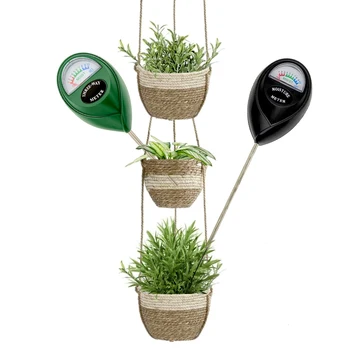
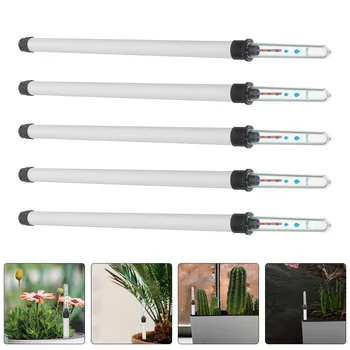
If bloom count stalls, check soil moisture levels with a moisture meter—over‑watering often suppresses flowering. If herb potency drops (e.g., weaker scent), test for nutrient deficiencies and amend accordingly.

Conclusion
By integrating data‑driven decisions—sunlight tracking, soil testing, and measurable KPIs—you’ll cultivate a flower garden that not only dazzles the eye but also supplies high‑quality herbs for natural skin and hair care. Follow the clear steps above, stay consistent with watering and pruning, and you’ll enjoy a vibrant, productive garden season after season.
