
Welcome to your ultimate guide on sustainable gardening, where eco‑friendly practices meet delicious, exotic flavors straight from your backyard. By integrating water‑saving techniques, soil health boosters, and a curated selection of aromatic herbs, you’ll create a thriving garden that reduces environmental impact while elevating every meal. Let’s dive into data‑driven steps that guarantee success, even for beginners.
Step 1: Choose the Right Location and Soil
Assess Sunlight and Microclimate
According to the USDA Plant Hardiness Zone map, most culinary herbs thrive in zones 5‑9. Use a sunlight meter or simply track the area for 7 days: 6–8 hours of direct sun is ideal for basil, rosemary, and thyme. If your garden receives less, opt for shade‑tolerant herbs like mint or lemon balm.

Amend Soil with Organic Matter
Soil tests from the University of California Extension show that adding 2–3 inches of compost improves water retention by up to 30 % and boosts microbial activity. Mix compost with native soil at a 1:1 ratio, then lightly tamp to eliminate air pockets.
Practical Tip
Place a rain gauge nearby and record weekly precipitation. If rainfall drops below 1 inch per week, plan supplemental irrigation (see Step 2).
Step 2: Implement Water‑Efficient Irrigation
Drip Irrigation Setup
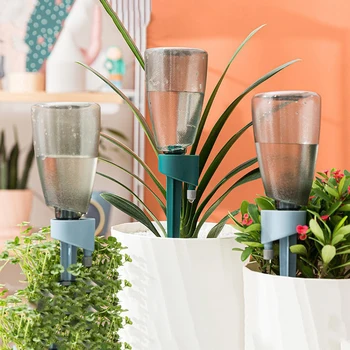
Studies from the Colorado State University Water Conservation Lab reveal that drip systems reduce water use by up to 45 % compared to overhead sprinklers. Install a 0.5‑gallon per hour drip emitter for each herb bed, positioning emitters at the base of each plant.
Mulching for Moisture Retention
Apply a 2‑inch layer of straw, shredded leaves, or pine bark mulch. This not only conserves moisture but also suppresses weeds, cutting down on labor and herbicide use.
Actionable Advice
Check soil moisture with a simple finger test: insert your finger 2 inches deep; if it feels dry, trigger the drip timer for 15 minutes. Adjust timing seasonally—shorter in cooler months, longer during peak summer heat.
Step 3: Select and Plant Exotic Flavor Herbs
Herb Profiles and Culinary Uses
- Thai Basil (Ocimum basilicum var. thyrsiflora) – Sweet, anise‑like notes perfect for curries and stir‑fries.
- Lemon Verbena (Aloysia citrodora) – Bright citrus aroma; ideal for teas, desserts, and marinades.
- Shiso (Perilla frutescens) – Earthy, slightly peppery; adds depth to sushi, salads, and sauces.
- Culantro (Eryngium foetidum) – Strong, cilantro‑like flavor; excels in Caribbean and Asian dishes.
- Epazote (Dysphania ambrosioides) – Pungent, smoky taste; traditionally used in Mexican bean dishes.
Planting Guidelines
Space herbs 12–18 inches apart to ensure airflow, reducing fungal risk. Plant seedlings at the same depth as their original containers, then water gently to settle the soil.
Quick Tip
Label each herb with a biodegradable tag. This prevents accidental harvesting of the wrong plant and helps you track growth cycles for future planting.
Step 4: Sustainable Feeding and Pest Management
Organic Fertilization
Research from the Rodale Institute suggests a monthly feeding of ½ cup of fish emulsion per 10 sq ft provides balanced nitrogen, phosphorus, and potassium without synthetic chemicals.
Beneficial Insects
Introduce ladybugs, lacewings, and predatory nematodes to control aphids, spider mites, and soil pests. A simple method is to purchase a starter kit and release them at dusk when they’re most active.
DIY Pest Repellent
Mix 1 tablespoon of neem oil, 1 teaspoon of mild liquid soap, and 1 quart of water. Spray on leaves weekly, focusing on the undersides where pests hide. This biodegradable solution deters insects without harming pollinators.
Step 5: Harvesting, Preservation, and Culinary Integration
Optimal Harvest Times
Harvest leaves in the morning after the dew has dried but before the sun’s heat peaks. This preserves essential oils and flavor intensity. For basil, pinch off the top 2‑3 inches; for shiso, snip the tender leaves just above a node.
Preservation Techniques
- Drying: Hang bundles upside‑down in a well‑ventilated, dark area for 1–2 weeks.
- Freezing: Chop herbs, place in ice‑cube trays with water or olive oil, then freeze for ready‑to‑use portions.
- Infusing: Steep fresh herbs in vinegar or oil for 2–4 weeks to create flavored condiments.
Actionable Culinary Idea
Combine fresh lemon verbena with olive oil, sea salt, and a splash of lime juice to make a vibrant dressing for grilled vegetables. This not only showcases the herb’s exotic flavor but also encourages repeat garden use, reinforcing sustainable practices.
Step 6: Monitor, Adjust, and Scale Up
Data‑Driven Tracking
Maintain a simple garden journal—record planting dates, water usage, fertilizer applications, and harvest yields. Over a season, you’ll identify patterns: for example, a 15 % increase in yield after adding a second layer of mulch.
Scaling Sustainable Practices
When you’re ready to expand, replicate the proven layout in a new raised‑bed or vertical garden system. Vertical towers use up to 70 % less space while improving airflow, a key factor in preventing disease.
Final Pro Tip
Partner with local community gardens or farmer’s markets to share excess herbs. This reduces food waste, builds community resilience, and enhances your garden’s overall sustainability score.
By following these data‑backed steps, you’ll cultivate a thriving, eco‑friendly herb garden that not only supports the planet but also transforms everyday meals with exotic, unforgettable flavors. Happy sustainable gardening!