Creating a thriving garden doesn’t have to be a full‑time job. By focusing on low‑water, drought‑tolerant plants, you can enjoy a lush outdoor space while keeping maintenance and water bills to a minimum. This guide walks you through a data‑driven approach to selecting, planting, and caring for a low‑water garden that fits a busy lifestyle. Each step includes actionable tips that you can implement in just a few minutes a week.
Why Choose Low‑Water Plants?
According to the EPA WaterSense program, landscaping accounts for nearly 30% of residential water use in the United States. Switching to drought‑tolerant species can cut that figure by up to 50%, saving both money and resources. Moreover, low‑water plants often have deeper root systems, making them more resilient to heat waves—a growing concern as global temperatures rise.
Step 1: Assess Your Site and Climate
Gather Soil and Sunlight Data
- Soil test: Use a home kit or send a sample to your local extension service. Look for a pH between 6.0‑7.0 and a sand‑to‑clay ratio that drains well.
- Sun exposure: Track sunlight for a week. Record the number of hours each area receives direct sun, partial shade, or full shade.
- Micro‑climate notes: Note wind patterns, nearby heat‑reflecting surfaces, and any areas that stay moist longer.
Quick tip: If you have less than 4 hours of direct sun, prioritize shade‑tolerant succulents like Aloe vera or Sedum ‘Autumn Joy’.
Step 2: Choose the Right Low‑Water Plants
Top Data‑Backed Picks for Busy Gardeners
- Lavender (Lavandula angustifolia) – Requires 15‑20 gallons of water per month in the first year, dropping to 5‑10 gallons thereafter. Thrives in full sun and well‑drained soil.
- Russian Sage (Perovskia atriplicifolia) – Uses 10‑12 gallons monthly after establishment. Excellent for hot, dry zones.
- Agave (Agave spp.) – One of the most water‑efficient succulents, needing only 2‑4 gallons per month once rooted.
- Echinacea (Echinacea purpurea) – Moderate water needs (12‑15 gallons) and provides pollinator benefits.
- Yarrow (Achillea millefolium) – Tolerates drought after the first 6 weeks, using roughly 8‑10 gallons per month.
When selecting varieties, check the USDA Plant Hardiness Zone map to ensure they can survive your winter lows.
Step 3: Prepare the Soil Efficiently
Low‑Effort Soil Amendment Techniques
- Mulch first: Spread a 2‑inch layer of organic mulch (e.g., shredded bark) before planting. Mulch reduces evaporation by up to 30% and suppresses weeds.
- Incorporate compost: Add 1‑2 inches of well‑rotted compost to improve water retention without over‑watering. Use a garden fork to blend it into the top 6 inches of soil.
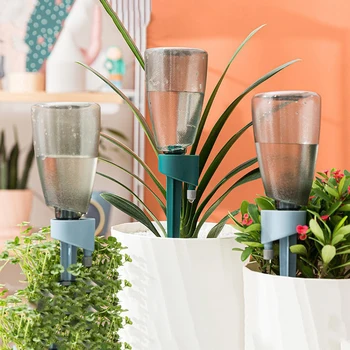
- Install a drip line: Run a low‑flow drip emitter (½‑gallon per hour) along the planting row. This delivers water directly to the root zone, cutting waste by 40% compared to sprinklers.
Pro tip: Set a timer for the drip system to run for 15 minutes early in the morning, three times a week. Adjust based on rainfall—skip watering after a rain of >0.5 inch.
Step 4: Planting with Precision
Step‑by‑Step Plant Installation
- Dig the right hole: Make a hole twice the width of the plant’s root ball but no deeper than the pot’s rim. This encourages lateral root growth.
- Backfill gently: Place the plant, fill with native soil mixed with compost, and lightly tamp to eliminate air pockets.
- Water in: Give a deep soak (about 10 minutes) using a hose with a gentle spray. This settles the soil around the roots.
- Stake if needed: Tall species like Russian Sage benefit from a single stake to prevent wind damage during the first growing season.
Label each plant with a weather‑proof tag that includes its name, watering schedule, and the date of planting. This simple habit reduces missed care tasks.
Step 5: Ongoing Care – Minimal Yet Effective
Weekly Maintenance Checklist
- Inspect mulch depth: Re‑apply mulch if it drops below 1.5 inches.
- Weed pull: Remove weeds promptly; they compete for water and nutrients.
- Check soil moisture: Insert a finger 2 inches deep; if it feels dry, run the drip for the preset time.
- Prune selectively: Trim spent flower stems after blooming to encourage a second flush without heavy pruning.
Step 6: Boosting Success with Smart Tools
Low‑Cost Tech Add‑Ons
- Soil moisture sensor: A $15 Bluetooth sensor can send alerts to your phone when soil dries below a set threshold.
- Rain gauge: Track weekly precipitation to adjust your drip schedule automatically.
- Mobile garden app: Apps like Gardenize let you log plant health, set reminders, and store photos for progress tracking.
Integrating these tools takes less than 10 minutes a week but can reduce water use by an additional 10‑15%.
Step 7: Harvesting the Benefits
Beyond visual appeal, low‑water gardens provide tangible rewards:
- Cost savings: The average homeowner saves $150‑$250 annually on water bills.
- Environmental impact: Reduced runoff helps protect local waterways from nutrient loading.
- Time freedom: With a maintenance routine of under 30 minutes per week, you reclaim valuable personal time.
Quick Reference: 5‑Step Action Plan
- Test soil and record sun exposure (1‑2 hrs).
- Choose 3‑5 low‑water plants suited to your zone.
- Mulch, add compost, and install a drip line.
- Plant using the two‑width‑hole method and label each.
- Follow the weekly checklist and adjust watering with a moisture sensor.
By following this data‑driven, step‑by‑step approach, even the busiest homeowner can cultivate a garden that looks intentional, conserves water, and thrives with minimal effort. Start small, track your results, and watch your garden flourish—one low‑water plant at a time.