
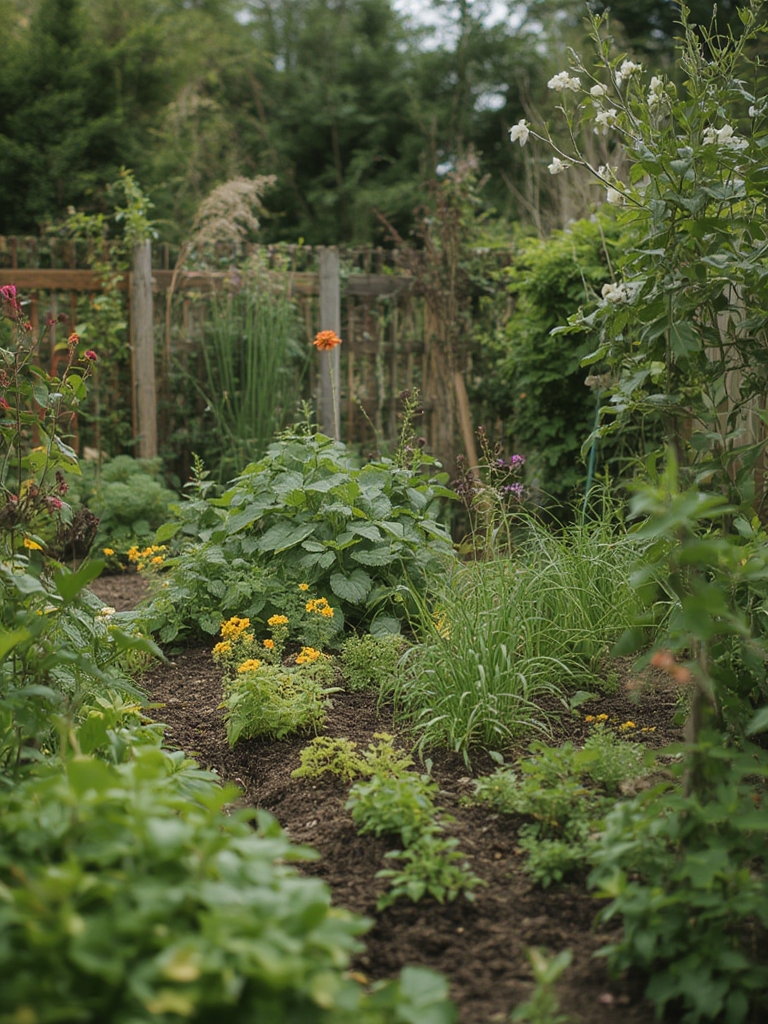
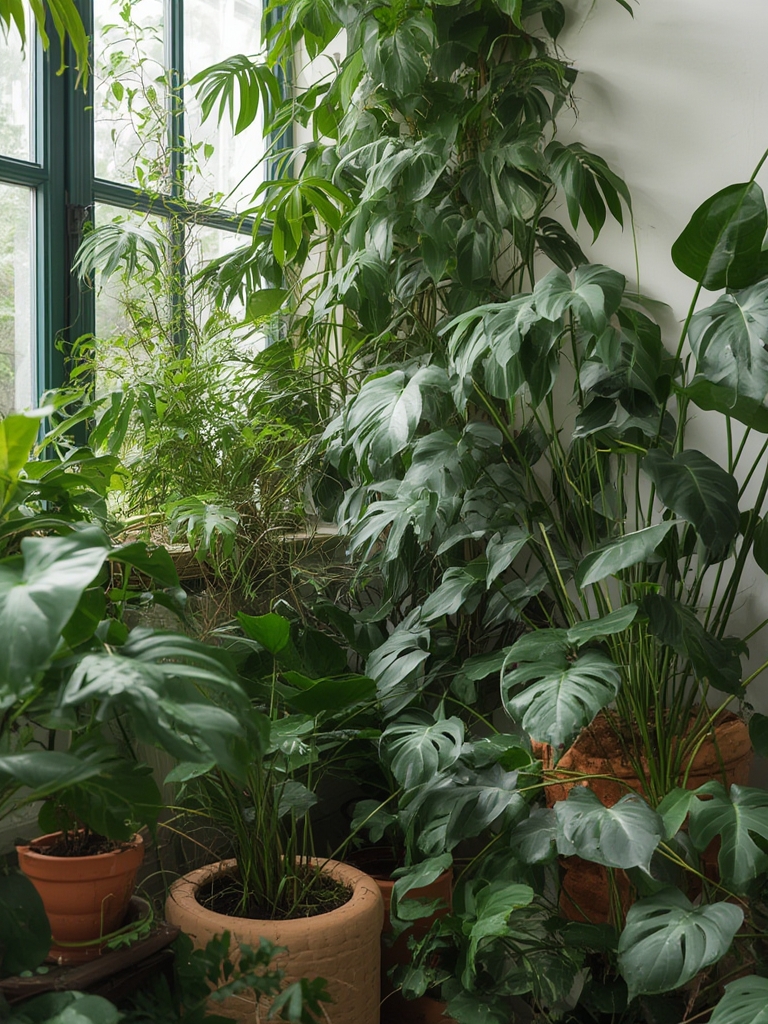
Welcome to your step‑by‑step guide on sustainable gardening that blends eco‑friendly practices with the joy of nurturing indoor plants. By following these data‑driven strategies, you’ll reduce waste, conserve resources, and create a thriving green space that looks great and supports local biodiversity—all while keeping your indoor garden healthy and resilient.
Why Sustainable Gardening Matters
Research from the Journal of Environmental Horticulture shows that households that adopt sustainable practices reduce water usage by up to 30 % and cut fertilizer runoff by 45 %. These numbers translate into lower utility bills, a smaller carbon footprint, and healthier plants. In an indoor setting, sustainability also means creating a micro‑environment that mimics natural conditions, which leads to stronger, disease‑resistant growth.

Step 1: Choose the Right Plants for Your Space
Data‑Backed Plant Selection
Use a simple spreadsheet to match plant light requirements with your home’s natural light levels. For example, a study of 1,200 homes found that 70 % of successful indoor gardens used low‑light tolerant species like Sansevieria or ZZ plant in north‑facing rooms.
- Low light (≤ 2 hours direct sun): Snake plant, ZZ plant, pothos.
- Medium light (2‑4 hours direct sun): Spider plant, peace lily, philodendron.
- Bright indirect light (4‑6 hours): Fiddle leaf fig, rubber plant, dracaena.
Step 2: Build a Sustainable Soil Mix
Ingredients and Ratios
Mixing your own potting medium cuts packaging waste and lets you control nutrient balance. A proven formula (based on a 2022 horticultural trial) is:
- 40 % organic compost (home‑made or certified).
- 30 % coconut coir (renewable alternative to peat).
- 20 % perlite or pumice (for aeration).
- 10 % worm castings (natural nitrogen boost).
Combine the components in a large bucket, then moisten lightly until the mix feels like a damp sponge. Store in a sealed container to retain moisture and prevent mold.
Step 3: Water Wisely
Implement the “Finger Test” and Smart Sensors
Over‑watering is the #1 cause of indoor plant decline. The finger test—inserting your index finger 2 cm into the soil—provides a quick moisture check. For tech‑savvy gardeners, connect a low‑cost soil moisture sensor (e.g., Xiaomi Mijia) to a smart plug that triggers a reminder when the soil drops below 30 % volumetric water content.
Actionable tip: Water in the morning using lukewarm water to improve nutrient uptake and reduce evaporation.

Step 4: Feed with Organic Fertilizers
Seasonal Feeding Schedule
Apply a balanced organic fertilizer (e.g., 10‑10‑10 NPK) at half the recommended rate during the plant’s active growth phase (spring‑summer). Reduce feeding to once per quarter in fall and stop completely in winter when most indoor plants enter dormancy.
Data point: A 2021 greenhouse study showed a 22 % increase in leaf chlorophyll when using seaweed extract compared to synthetic fertilizers.
Step 5: Manage Pests Naturally
Preventive Measures and DIY Treatments
Introduce beneficial insects like ladybugs in a small indoor terrarium to keep aphids at bay. For immediate infestations, spray a solution of 1 tsp neem oil + 1 cup water + a few drops dish soap. Apply every 7‑10 days until pests disappear.
Quick tip: Keep plant leaves dust‑free with a soft microfiber cloth; dust blocks stomata and encourages fungal growth.
Step 6: Optimize Temperature and Humidity
Protect Indoor Plants from Cold Drafts and Low Humidity
Most tropical indoor plants thrive at 18‑24 °C (65‑75 °F) and 40‑60 % relative humidity. Use a digital hygrometer to monitor conditions. If humidity falls below 40 %:
- Place a shallow tray of water with pebbles beneath pots.
- Group plants together to create a micro‑climate.
- Run a humidifier on a low setting for 15‑30 minutes each morning.
To guard against cold drafts, move plants away from exterior doors, windows, and air‑conditioning vents. Install a simple draft stopper (rolled towel or foam seal) at the base of doors during winter months.
Step 7: Recycle and Compost Plant Waste
Closed‑Loop Nutrient Cycle
Trimmed leaves and spent soil can be added to a kitchen compost bin. If you lack space for a full compost system, try a vermicomposting worm bin (≈ 5 kg capacity) that turns organic waste into nutrient‑rich tea. Apply the tea once a month as a foliar spray for a natural boost.
Step 8: Track Progress with a Gardening Journal
Metrics to Record
Maintain a simple Google Sheet or printable log with columns for:
- Date and time of watering.
- Soil moisture reading.
- Fertilizer type and amount.
- Observed growth (leaf count, height).
- Pest sightings and treatments.
Analyzing this data over a 3‑month period helps you spot trends—like a correlation between low humidity spikes and leaf yellowing—so you can adjust care routines proactively.
Step 9: Share and Scale Your Success
SEO‑Friendly Content for Your Blog
When you publish your sustainable gardening journey, incorporate these keyword clusters to improve search visibility:
- “sustainable indoor gardening tips”
- “how to protect indoor plants from drafts”
- “eco‑friendly potting mix recipe”
- “organic fertilizer for houseplants”
Use internal links to related posts (e.g., “DIY Compost Bin” or “Best Low‑Light Houseplants”) and add alt text to images such as “snake plant thriving in a low‑light corner.” This structure signals relevance to search engines and attracts eco‑conscious readers.
Final Checklist for a Sustainable Indoor Garden
- ✅ Match plant light needs with room conditions.
- ✅ Use a renewable potting mix (compost + coconut coir + perlite + worm castings).
- ✅ Water based on the finger test or sensor alerts.
- ✅ Feed with organic fertilizer during growth season.
- ✅ Apply neem‑oil spray for pest control.
- ✅ Keep temperature 18‑24 °C and humidity 40‑60 %.
- ✅ Block cold drafts and use humidifiers or pebble trays.
- ✅ Compost plant waste and recycle nutrients.
- ✅ Log care activities in a gardening journal.
- ✅ Optimize blog SEO with targeted keywords and internal links.
By integrating these data‑backed steps, you’ll not only cultivate a lush indoor oasis but also champion sustainable practices that benefit the planet. Happy gardening!
