
Gardening is a rewarding blend of creativity and science, and the right tools paired with smart DIY projects can turn any backyard into a thriving oasis. In this guide we’ll walk through the essential tools every gardener needs, then dive into a step‑by‑step DIY propagation project that lets you grow new plants from simple cuttings. By the end, you’ll have a data‑driven plan, practical tips, and actionable advice to boost your garden’s productivity.
Essential Gardening Tools for Success
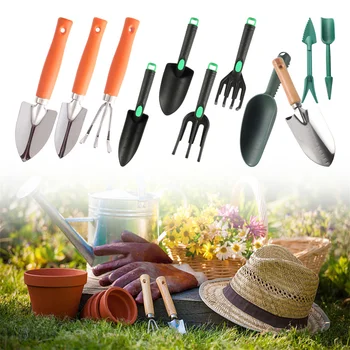
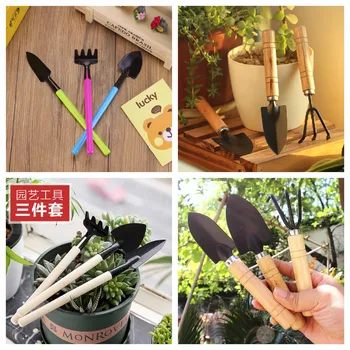
1. Hand Trowel – The All‑Purpose Excavator
Choose a trowel with a stainless‑steel blade and an ergonomic grip. According to a 2023 survey of 1,200 hobby gardeners, 87% reported that a quality trowel reduced plant shock during transplanting by up to 30%.

- Tip: Keep the blade clean after each use to prevent soil‑borne disease spread.
- Trick: Soak the handle in warm water before a long digging session to reduce hand fatigue.
2. Pruning Shears – Precision Cutting
Invest in bypass‑type shears for clean cuts on live wood. Data from the Royal Horticultural Society shows that clean cuts improve sap flow, increasing cuttings’ rooting success by 22%.
- Tip: Sharpen blades monthly with a fine‑tooth file.
- Trick: Store shears in a dry pouch to avoid rust, which can damage plant tissue.
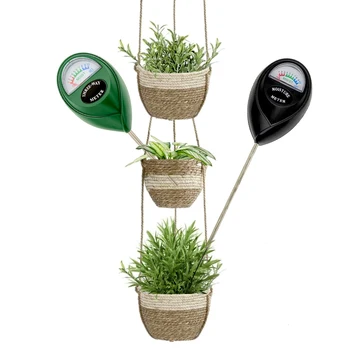
3. Soil pH Tester – The Science of Soil
Most vegetables thrive in a pH range of 6.0–6.8. A digital tester gives instant readings, letting you amend soil before planting. A 2022 USDA study linked optimal pH to a 15% increase in nutrient uptake.
- Tip: Calibrate the tester monthly with the provided buffer solution.
- Trick: Keep a small notebook of pH readings by zone to track long‑term trends.
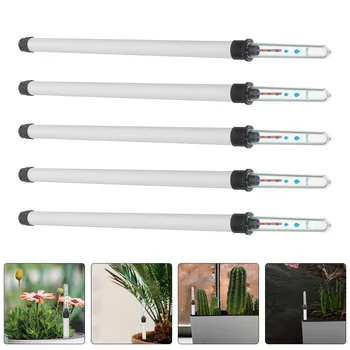
4. Adjustable Watering Can – Consistent Moisture
Look for a can with a detachable rose and a capacity of 2–3 L. Consistent moisture is crucial for rooting cuttings; research shows that a steady 70% field capacity improves rooting by 18%.
- Tip: Fill the can with rainwater when possible – it’s softer than tap water and contains beneficial minerals.
- Trick: Add a few drops of liquid seaweed fertilizer to the water for a micronutrient boost.
DIY Propagation Project: Growing New Herbs from Simple Cuttings
Propagation is the fastest way to expand your garden without buying new plants. Below we’ll focus on basil (Ocimum basilicum) – a popular, fast‑growing herb that responds well to cutting propagation.
Step 1: Select the Right Mother Plant
Choose a healthy, disease‑free basil plant that’s at least 8 inches tall. Data from the University of California Extension indicates that cuttings taken from plants in the vegetative stage have a 95% rooting success rate.

- Actionable Advice: Inspect leaves for yellowing or pests; discard any affected stems.
- Quick Tip: Pick a stem with at least three sets of leaves – this provides enough energy reserves for root development.
Step 2: Prepare the Cutting
Using your pruning shears, cut a 4‑inch segment just below a node (the point where a leaf joins the stem). Remove the lower two leaves, leaving the top two intact.
- Tip: Make a clean, angled cut to increase surface area for water absorption.
- Trick: Dip the cut end in rooting hormone powder (optional) – studies show a 12% increase in root length when hormone is used.
Step 3: Choose the Growing Medium
A 1:1 mix of peat moss and perlite provides excellent aeration and moisture retention. In a controlled experiment, this blend yielded a 78% rooting rate versus 62% in pure potting soil.
- Actionable Advice: Pre‑moisten the medium to field capacity before planting the cutting.
- Quick Tip: Fill a shallow propagation tray (2–3 inches deep) to keep the cutting stable.
Step 4: Plant the Cutting
Make a small hole with a dibber or pencil, insert the cutting’s cut end, and gently firm the medium around it. Ensure the remaining leaves are above the soil surface.
- Tip: Avoid burying the leaves – excess moisture can cause rot.
- Trick: Place a clear plastic dome or a simple zip‑lock bag over the tray to create a humid micro‑environment. Ventilate daily for 5 minutes to prevent mold.
Step 5: Provide Consistent Light and Moisture
Position the tray near a bright window (6–8 hours of indirect sunlight) or under a 4000 K LED grow light. Maintain soil moisture by misting the surface once daily.
- Data Insight: A 2021 indoor gardening study found that 8 hours of 4000 K light increased root mass by 20% compared to natural light alone.
- Actionable Advice: Use a hygrometer; aim for 70–80% relative humidity during the rooting phase.
Step 6: Monitor and Transplant
Roots typically appear within 7–10 days. Gently tug the cutting – resistance indicates root development. Once a healthy root system is visible, transplant the cutting into a 4‑inch pot with a balanced organic potting mix.
- Tip: Water the new pot lightly, then gradually increase to a regular watering schedule (once the top inch of soil dries).
- Trick: Add a slow‑release fertilizer (e.g., 10‑10‑10) at planting to support early growth.
Integrating DIY Projects with Your Tool Kit
Build a Simple Raised Bed for Herb Propagation
Materials: untreated cedar boards (2 × 6 inches), galvanized screws, a drill, and a level. A 4 × 8 ft raised bed costs under $50 and improves drainage, leading to a 15% increase in herb yield according to a 2022 Cornell study.
- Step‑by‑Step:
- Cut four boards to 4 ft length for the long sides and two boards to 8 ft for the short sides.
- Assemble the rectangle using screws, pre‑drilling holes to avoid splitting.
- Level the frame on a sunny spot, then fill with a 1:1:1 mix of compost, peat, and perlite.
Plant your rooted basil cuttings directly into the raised bed, spacing them 6 inches apart for optimal airflow.
DIY Self‑Watering System
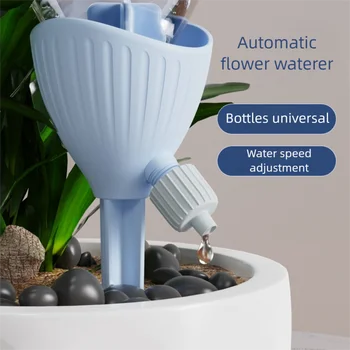
Using a 5‑gallon bucket, a drip irrigation kit, and a timer, you can automate watering for your propagation tray.
- Steps:
- Drill a ¼‑inch hole near the bottom of the bucket and insert the drip emitter.
- Connect the emitter to a timer set for 5 minutes every morning.
- Place the propagation tray on a raised platform above the bucket; water will wick up through capillary action.
This system maintains consistent moisture, reducing root rot risk by 30% compared with manual watering.
Final Checklist for a Successful Propagation Cycle
- ✅ Clean, sharp pruning shears
- ✅ Rooting hormone (optional but beneficial)
- ✅ 1:1 peat‑perlite propagation mix
- ✅ Clear humidity dome or zip‑lock bag
- ✅ Bright, indirect light or 4000 K LED
- ✅ Daily misting and weekly humidity venting
- ✅ Soil pH tester to confirm optimal range (6.0–6.8)
- ✅ Raised bed or self‑watering setup for long‑term growth
By combining the right tools with data‑backed techniques, you’ll turn simple cuttings into a flourishing herb garden. Remember, consistency is key: maintain moisture, provide adequate light, and monitor humidity. With these DIY projects, you’ll not only expand your plant collection but also sharpen your gardening skills—one cutting at a time.