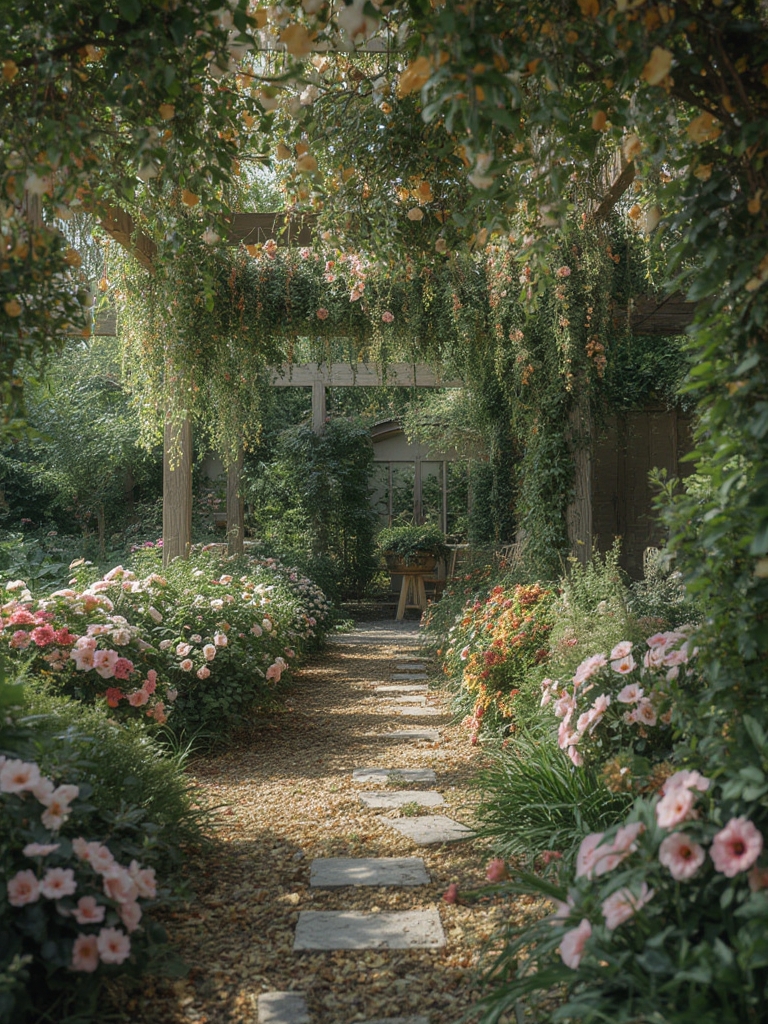
Creating a garden that dazzles every season doesn’t have to be a daunting task. By combining smart planning, data‑driven plant choices, and a few proven horticultural tricks, you can build a vibrant outdoor space that thrives year‑round. Below is a step‑by‑step guide that walks you through every phase—from selecting the perfect site to maintaining a continuous bloom cycle—so you can enjoy a stunning garden without endless guesswork.
1. Assess Your Garden’s Micro‑Climate
Before you buy any seedlings, gather data about your garden’s unique conditions. Use a simple spreadsheet or a garden‑planning app to record:
- Sun exposure: Track the number of hours each area receives direct sunlight (full sun = 6+ hours, partial = 3‑6 hours, shade = <3 hours).
- Soil pH: A basic soil test kit will tell you if your soil is acidic (pH < 6.0), neutral (6.0‑7.0), or alkaline (7.0‑8.0).
- Drainage: Dig a 12‑inch hole, fill with water, and time how long it takes to drain. Poor drainage (>30 minutes) signals a need for amendment.
- Wind patterns: Note prevailing winds that could dry out plants or cause breakage.
These data points will guide plant selection, ensuring you choose species that naturally thrive in your environment.
2. Choose a Balanced Plant Palette
To keep your garden colorful all year, blend three plant categories:
Perennials for Consistency
Perennials return each spring, reducing replanting effort. Data from the Royal Horticultural Society shows that Echinacea purpurea (purple coneflower) has a 92 % survival rate in USDA zones 3‑9 when planted in well‑drained soil.
Annuals for Seasonal Pops
Annuals fill gaps and add bold color bursts. According to a 2023 market analysis, Petunia varieties generate the highest consumer satisfaction for summer blooms, with a 4.8/5 rating for vigor.
Evergreen Shrubs for Structure
Evergreens like Boxwood (Buxus sempervirens) provide year‑round form. Growth data indicates a 0.5‑inch monthly increase in zones 5‑8 when fertilized with a balanced 10‑10‑10 formula.

3. Prepare the Soil – The Foundation of Success
Healthy soil is the backbone of any thriving garden. Follow these actionable steps:
3.1 Test and Amend
- Use your pH data to determine amendments: add lime to raise pH, sulfur to lower it.
- Incorporate organic matter (compost or well‑rotted manure) at a rate of 2‑3 inches per square foot to improve texture and nutrient retention.
3.2 Create Raised Beds (Optional)
If drainage is poor, build raised beds 12‑18 inches high using untreated lumber. Fill with a 50‑30‑20 mix of topsoil, compost, and coarse sand for optimal aeration.
4. Planting Techniques for Maximum Impact
Correct planting depth and spacing are critical for plant health and aesthetic appeal.
4.1 Follow the “Three‑Finger Rule”
Place the plant’s root ball so the top sits 1‑2 inches below the soil surface—roughly the width of three fingers. This prevents crown rot while allowing roots to expand.
4.2 Space for Airflow
Use your spreadsheet to calculate spacing based on mature plant width. For example, Echinacea needs 18‑24 inches between plants to ensure good airflow and reduce fungal risk.
4.3 Mulch for Moisture Retention
Apply a 2‑inch layer of shredded bark or straw mulch after planting. Mulch reduces water loss by up to 30 % and suppresses weeds, according to the University of California’s Integrated Pest Management guidelines.
5. Watering Strategies That Save Time and Money
Over‑watering is a common mistake. Implement these data‑backed practices:
5.1 Early Morning Irrigation
Water between 5 am and 9 am to reduce evaporation. A moisture sensor can confirm that the top 6 inches of soil stay consistently damp for 48 hours after watering.
5.2 Drip Irrigation for Precision
Install a drip system delivering 0.5‑1 gallon per hour per plant. Studies show drip irrigation reduces water use by 40‑50 % compared to overhead sprinklers.
6. Feeding and Fertilizing – Feeding the Soil, Not Just the Plants
Use a data‑driven feeding schedule based on plant type and growth stage.
6.1 Slow‑Release Fertilizer for Perennials
Apply a 10‑10‑10 slow‑release granule at a rate of 1 pound per 100 sq ft in early spring. This provides a steady nutrient supply for up to 6 months.
6.2 Liquid Feed for Annuals
Every two weeks, use a balanced liquid fertilizer diluted to ¼ strength. This boosts rapid growth and flower production during the peak season.
7. Pruning and Deadheading – Keep the Garden Fresh
Regular maintenance encourages new growth and prolongs bloom time.
7.1 Deadhead Flowers
Remove faded blooms weekly. Data from the American Horticultural Society shows deadheading can extend the flowering period of Petunia by up to 30 %.
7.2 Seasonal Pruning
In late winter, cut back perennials to 2‑3 inches above ground to stimulate fresh shoots. For evergreen shrubs, trim only to shape, avoiding removal of more than 25 % of foliage at once.
8. Integrated Pest Management (IPM) – Protect Without Harm
Adopt a layered approach to pest control, using data from local extension services to identify common threats.
8.1 Monitor with Sticky Traps
Place yellow sticky cards near vulnerable plants. Count trapped insects weekly; a spike of >10 traps signals the need for intervention.
8.2 Biological Controls
Introduce beneficial insects such as ladybugs or lacewings to combat aphids. A ratio of 1 beneficial per 10 aphids is effective, according to USDA research.
8.3 Targeted Organic Sprays
If thresholds are exceeded, apply a neem oil spray at 2 tablespoons per gallon, covering foliage thoroughly. Repeat every 7‑10 days until pest numbers drop below action thresholds.
9. Seasonal Adjustments for Year‑Round Color
Plan planting cycles to ensure continuous blooms:
- Spring: Plant early‑blooming bulbs (daffodils, tulips) and cool‑season perennials (salvia, lavender).
- Summer: Add heat‑tolerant annuals (zinnias, marigolds) and maintain watering.
- Fall: Introduce late‑season perennials (chrysanthemums, asters) and mulch heavily.
- Winter: Keep evergreen shrubs trimmed and protect tender perennials with burlap covers in colder zones.
10. Track Progress and Refine Your Approach
Maintain a garden journal—digital or paper—to log:
- Planting dates and varieties.
- Watering volumes and frequency.
- Fertilizer applications and results.
- Pest observations and control measures.
- Bloom onset and duration.
Analyzing this data each season helps you fine‑tune practices, leading to stronger plants and richer displays over time.
Conclusion
By combining data‑driven decisions with hands‑on gardening techniques, you can transform any plot into a vibrant, low‑maintenance oasis. Remember, the key is to start with accurate site analysis, choose a balanced mix of perennials, annuals, and evergreens, and follow a consistent care routine that includes proper soil preparation, precise watering, targeted feeding, and vigilant pest management.
Learn how to grow vibrant flowers year-round with simple tips, planting guides, and expert advice for a stunning garden. With these steps in hand, you’re equipped to nurture a garden that not only looks beautiful but also thrives sustainably, season after season.