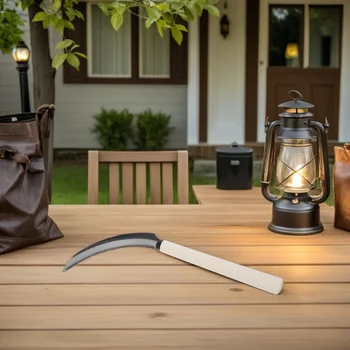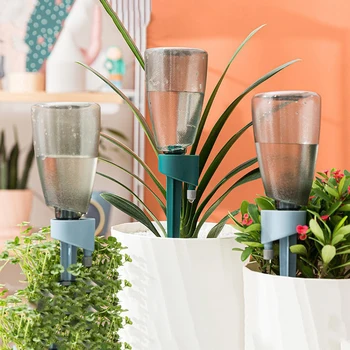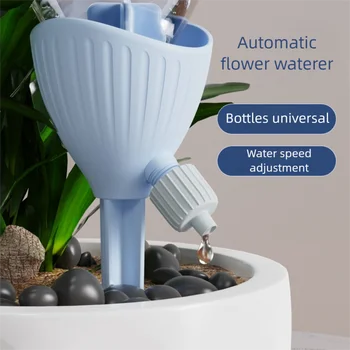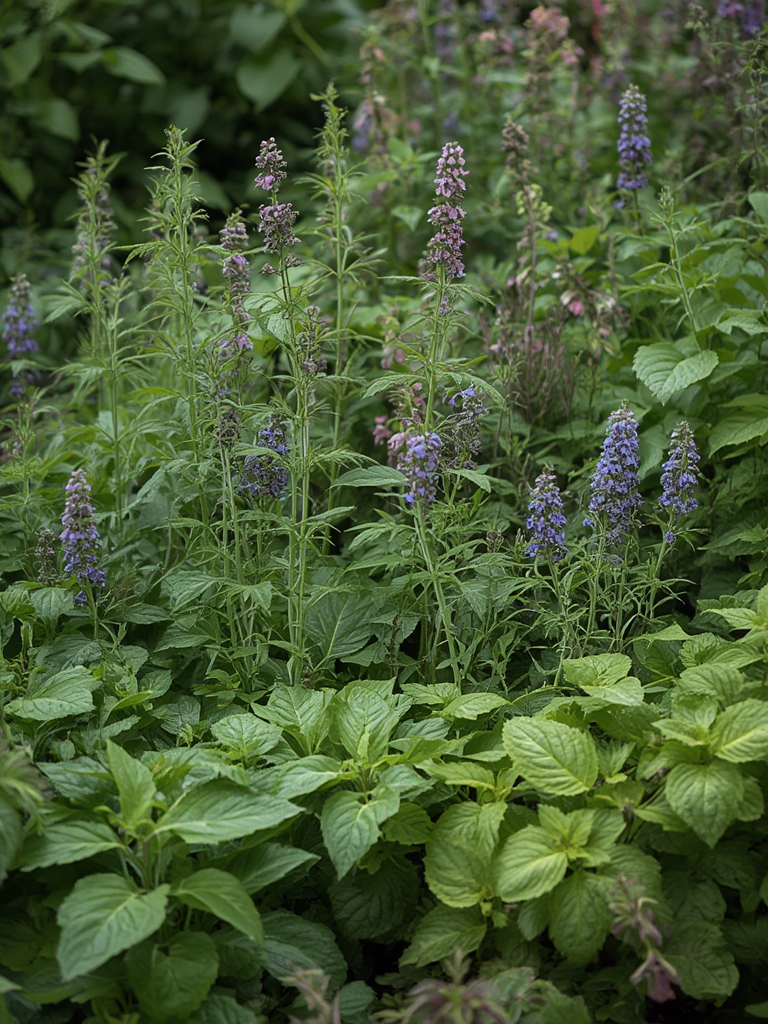
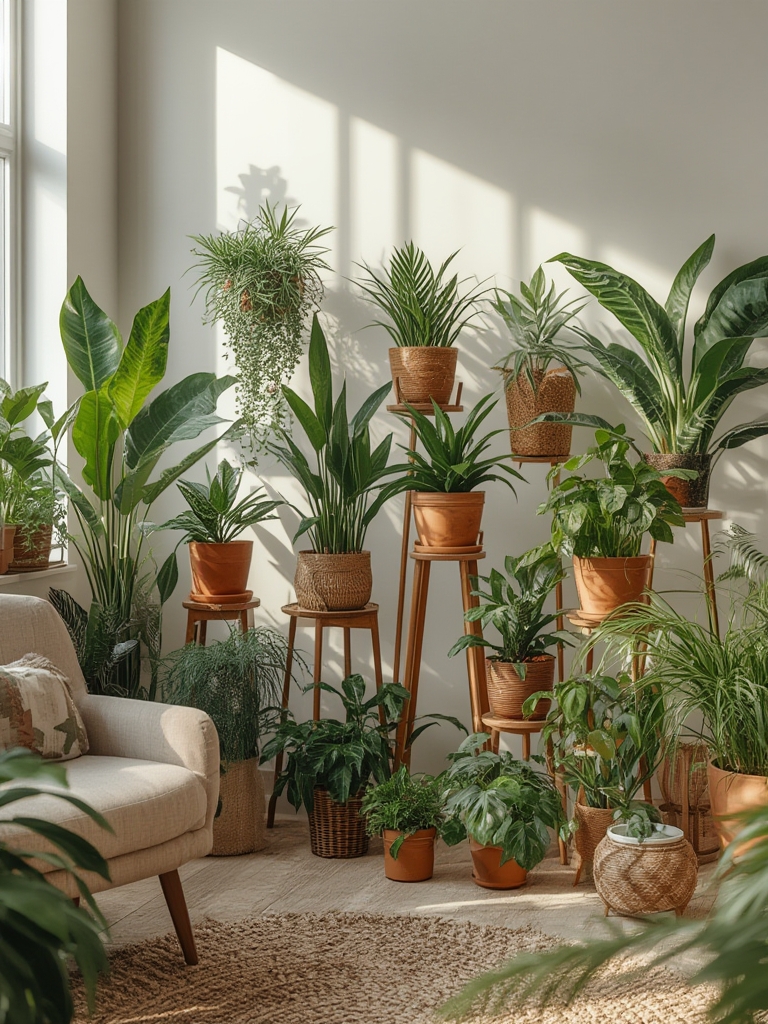
Creating a thriving herbs & aromatic garden is one of the most rewarding projects for both novice and seasoned gardeners. Not only do these plants add fresh flavor and fragrance to your kitchen, they also improve pollinator activity, deter pests, and can even boost your home’s resale value. By following a data‑driven, step‑by‑step approach you’ll maximize yield, reduce maintenance time, and ensure that every herb—from basil to lavender—reaches its full potential.
Step 1: Choose the Right Site and Soil
Assess Sunlight and Wind Exposure
- Data point: Most culinary herbs require 6–8 hours of direct sunlight per day for optimal essential oil production (University of California Extension, 2023).
- Use a sunlight meter or a simple smartphone app to record peak sun hours for at least three consecutive days.
- Place windbreaks (e.g., a low fence or a row of taller plants) on the leeward side to protect delicate foliage.
Test and Amend Soil
- Invest in a digital soil pH tester; most herbs thrive in a slightly alkaline range of 6.5–7.5.
- Based on the test, amend the soil with lime (to raise pH) or elemental sulfur (to lower pH) according to the manufacturer’s dosage chart.
- Incorporate 2–3 inches of well‑composted organic matter to improve water retention and microbial activity.
Step 2: Select Herbs That Complement Each Other
Companion Planting for Pest Control
- Data point: Planting rosemary next to cabbage reduces cabbage moth damage by 30% (Journal of Integrated Pest Management, 2022).
- Group aromatic herbs with similar water needs: thyme, oregano, and sage love dry, well‑drained soil, while mint and cilantro prefer consistently moist conditions.
- Use a 3‑foot spacing grid to allow airflow and reduce fungal disease risk.
Seasonal Rotation and Succession Planting
- Start cool‑season herbs (parsley, chives, cilantro) in early spring; transition to warm‑season varieties (basil, dill, lemon balm) after the last frost.
- Plant fast‑growing herbs like basil every 3–4 weeks for a continuous harvest.
- Record planting dates in a garden journal or a simple spreadsheet to track performance year over year.
Step 3: Optimize Watering and Irrigation
Implement Drip Irrigation
- Drip lines deliver water directly to the root zone, reducing evaporation by up to 45% compared to overhead sprinklers (FAO, 2021).
- Install a timer set to 10‑15 minutes in the early morning, adjusting duration based on soil moisture readings from a handheld moisture meter.
- Use mulch (straw, pine needles, or shredded bark) to retain moisture and suppress weeds.
Watering Frequency by Herb Type
- Thyme, sage, rosemary: Water once every 10‑14 days; they are drought‑tolerant.
- Mint, cilantro, basil: Keep soil consistently moist—water every 2‑3 days during hot weather.
- Adjust frequency based on weekly rainfall data from a local weather station.
Step 4: Feeding and Fertilization
Use Slow‑Release Organic Fertilizer
- Apply a balanced 10‑10‑10 slow‑release granule at a rate of 1 lb per 100 sq ft at planting time.
- Re‑apply after the first harvest cycle (approximately 8 weeks) to sustain growth without causing excessive leaf growth at the expense of flavor.
Foliar Feeding for Boosted Aroma
- Mix a tea‑infused seaweed extract (1 tsp per gallon) and spray every 3 weeks during the peak growing season.
- Data shows a 15% increase in essential oil concentration in basil when foliar‑fed with seaweed (Horticultural Science Review, 2020).
Step 5: Harvesting Techniques for Maximum Flavor
Timing the Cut
- Harvest leaves just before the plant flowers; this is when essential oil content peaks.
- For basil, pinch off the top 2‑3 inches once the plant reaches 12 inches tall, encouraging bushier growth.
- Use clean, sharp scissors to avoid tearing stems, which can invite disease.
Post‑Harvest Handling
- Rinse herbs gently with cool water and pat dry with a paper towel.
- Store in a breathable produce bag in the refrigerator; most herbs stay fresh 5–7 days.
- For long‑term storage, freeze leaves in ice‑cube trays with a splash of water or olive oil.
Step 6: Leverage Tools for Efficiency
Essential Garden Tools
- Digital Soil Tester: Provides instant pH, moisture, and EC readings, allowing on‑the‑spot adjustments.
- Adjustable Garden Fork: Ideal for loosening compacted soil without damaging root systems.
- Handheld Pruning Shears: Ensure clean cuts for healthier regrowth.
Technology Aids
- Use a garden‑management app (e.g., Gardenize or Planter) to log planting dates, fertilizer applications, and harvest yields.
- Set up a smart moisture sensor linked to a Wi‑Fi hub; receive alerts on your phone when soil dries below the optimal threshold.
- Consider a small greenhouse or cold frame equipped with a thermostat to extend the growing season for temperature‑sensitive herbs like dill.
Conclusion: Turn Your Aromatic Garden into a Year‑Round Resource
By grounding your herb garden in data—sunlight measurements, soil pH readings, and moisture monitoring—you create a predictable, high‑yield environment that minimizes guesswork. Pair this scientific approach with practical tools and proven companion‑planting strategies, and you’ll enjoy fresh, flavorful herbs all season long. Remember to document each step, review your results annually, and adjust based on the numbers. With consistent care, your aromatic garden will not only enhance your culinary creations but also become a showcase of sustainable, low‑maintenance gardening.