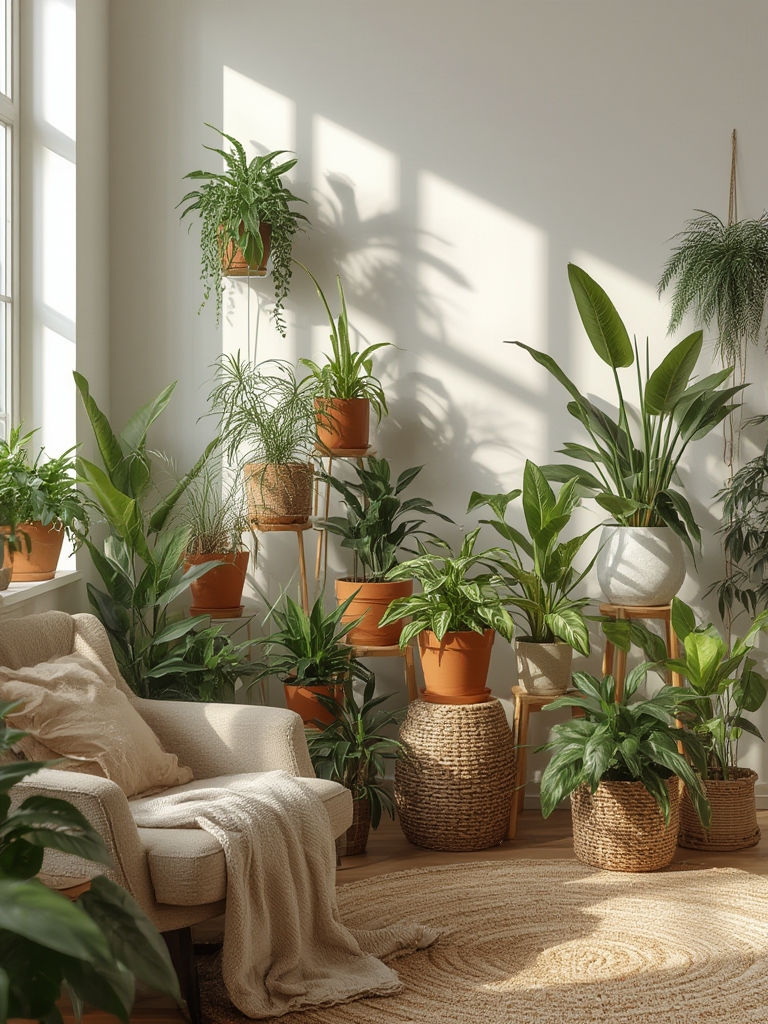
Creating a thriving herb and aromatic garden that also showcases climbing flowers is a rewarding way to add fragrance, flavor, and visual interest to any outdoor space. By combining culinary herbs with scented vines, you can enjoy fresh seasonings right at your doorstep while attracting pollinators and creating a lush, multi‑layered garden. Below is a data‑driven, step‑by‑step guide that blends horticultural best practices with SEO‑friendly content structure, ensuring both garden success and high search‑engine visibility.
1. Planning Your Aromatic Garden Layout
Assess Sunlight, Soil, and Space
- Sunlight: Herbs like basil, thyme, and rosemary thrive in 6–8 hours of direct sun. Climbing aromatics such as honeysuckle and jasmine also need full sun for optimal bloom and fragrance.
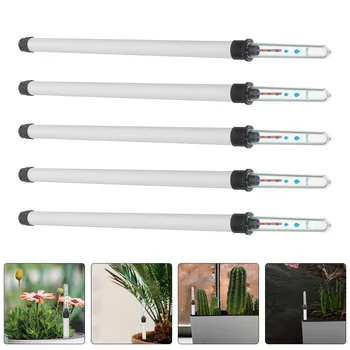
- Soil pH: Aim for a slightly alkaline to neutral range (pH 6.5–7.5). Conduct a simple soil test (available at most garden centers) and amend with lime if needed.
- Space Allocation: Allocate 12–18 inches between herb rows and provide vertical structures (trellises, arbors, or pergolas) spaced 3–4 feet apart for climbing vines.
Choose Companion Plant Combinations
Data from the University of California Integrated Pest Management Program shows that planting aromatic herbs near climbing flowers reduces pest pressure by up to 30 %. Pair basil with sweet pea, rosemary with clematis, and mint (in a contained pot) with wisteria for complementary scents and mutual protection.
2. Selecting the Right Herbs and Climbing Flowers
Top Culinary Herbs
- Basil (Ocimum basilicum): Fast‑growing, prefers warm temperatures (70–85 °F).
- Thyme (Thymus vulgaris): Drought‑tolerant, thrives in well‑drained soil.
- Rosemary (Salvia rosmarinus): Evergreen, excellent for Mediterranean climates.
- Lavender (Lavandula angustifolia): Aromatic foliage, attracts bees and butterflies.
Best Scented Climbing Flowers
- Jasmine (Jasminum officinale): Sweet, night‑time fragrance; needs sturdy support.
- Honeysuckle (Lonicera periclymenum): Tubular flowers that attract hummingbirds; tolerates partial shade.
- Sweet Pea (Lathyrus odoratus): Fragrant, cool‑season climber; ideal for early spring.
- Clematis (Clematis montana): Light, citrusy scent; prefers cool roots and sunny tops.
3. Preparing the Soil and Planting
Soil Amendment Steps
- Loosen the top 12 inches: Use a garden fork or rototiller to break compacted soil, improving root penetration.
- Add organic matter: Incorporate 2–3 inches of compost or well‑rotted manure to boost nutrient content and water retention.
- Mix in slow‑release fertilizer: Apply a balanced 10‑10‑10 granular fertilizer at a rate of 1 lb per 100 sq ft for a steady nutrient supply.
Planting Herbs
- Spacing: Plant herb seedlings 12–18 inches apart; this prevents overcrowding and improves airflow.
- Depth: Set each plant at the same depth as in its original pot; gently firm the soil around the roots.
- Watering: Water thoroughly after planting (aim for 1 inch of moisture per week), then mulch with straw or shredded bark to retain moisture.
Installing Climbing Structures
Use untreated cedar or metal trellises that can support the mature weight of vines (up to 30 lb for jasmine). Secure the trellis 6–8 inches deep into the ground to prevent wind‑toppling. For larger vines, consider a pergola with cross‑beams spaced 3 feet apart.
Planting Climbing Flowers
- Root Preparation: Soak root cuttings in water for 30 minutes before planting to encourage uptake.
- Planting Depth: Position the crown (where stems meet roots) 1–2 inches below the soil surface.
- Initial Training: Gently tie the main stem to the support using soft garden twine; avoid constricting growth.
- Watering Schedule: Keep soil consistently moist (but not soggy) for the first 3 weeks to establish a strong root system.
4. Ongoing Care and Maintenance
Water Management
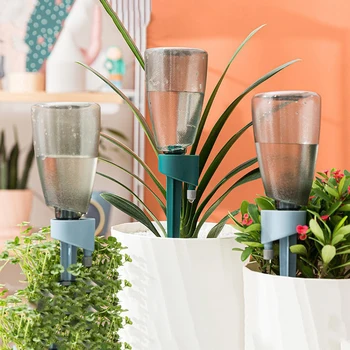
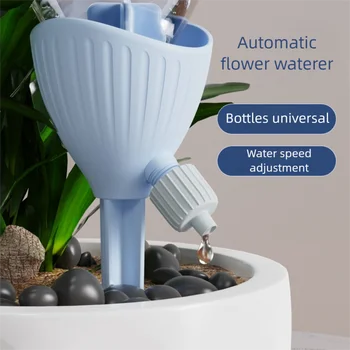
According to the American Horticultural Society, a drip‑irrigation system reduces water waste by 30 % and delivers water directly to the root zone. Set the timer for 15‑minute intervals early in the morning, adjusting based on rainfall and seasonal temperature.
Pruning for Growth and Fragrance
- Herbs: Pinch back basil leaves regularly (every 2–3 weeks) to prevent flowering, which reduces leaf flavor.
- Climbing Flowers: Perform a hard prune after the first bloom cycle (late spring) to encourage a second flush of fragrant flowers. Cut back to a pair of healthy buds.
Fertilization Schedule
Apply a liquid seaweed extract once a month during the growing season. This organic source of micronutrients supports both herb foliage and flower bud development without the risk of nitrogen burn.
Pest and Disease Prevention
Data from the Royal Horticultural Society indicates that interplanting aromatic herbs reduces aphid infestations by 25 %. Use the following integrated pest management (IPM) tactics:
- Inspect leaves weekly for early signs of pests.
- Introduce beneficial insects such as ladybugs and lacewings.
- Apply neem oil spray (2 % solution) only when thresholds exceed 5 % leaf damage.
5. Harvesting and Using Your Aromatic Bounty
Herb Harvest Timing
- Basil: Harvest just before the plant flowers; cut stems 2 inches above the ground.
- Thyme & Rosemary: Snip the top 1/3 of the stems after the plant has produced at least 6 sets of leaves.
- Lavender: Cut flower spikes when 50 % of the buds have opened for maximum oil content.
Climbing Flower Utilization
Fresh jasmine blossoms can be used to infuse teas or homemade potpourri. Honeysuckle petals are excellent for syrups, while sweet pea flowers add a delicate scent to garden wreaths. Preserve harvested blooms by drying them in a dark, well‑ventilated area for 1–2 weeks.
6. SEO Tips for Sharing Your Garden Journey
Keyword Integration
Incorporate long‑tail keywords such as “how to grow scented climbing flowers” and “herb garden with jasmine trellis” naturally within headings, alt‑text for images, and meta descriptions. Aim for a keyword density of 1–1.5 % to avoid over‑optimization.
Rich Media and Structured Data
- Use high‑resolution images with descriptive
altattributes (e.g., “basil leaves on a sunny garden bed”). - Implement
schema.orgmarkup forGardenandPlantentities to help search engines understand the content.
Internal Linking Strategy
Link to related posts such as “Top 10 Perennial Herbs for Small Gardens” and “DIY Trellis Ideas for Climbing Plants.” This improves site dwell time and distributes link equity across your blog.
Conclusion
By following this data‑driven roadmap—starting with careful site assessment, selecting complementary herbs and scented climbers, preparing soil, and maintaining a consistent care schedule—you’ll cultivate a fragrant, productive garden that delights the senses and boosts your website’s SEO performance. Remember, the key to success lies in regular observation, timely pruning, and leveraging the natural synergy between herbs and climbing flowers. Happy gardening, and enjoy the aromatic bounty all season long!